Here for a Healthier Community

Norovirus is on the rise: What you need to know

Norovirus is on the rise: What you need to know

You probably know someone who has recently come down with the dreaded, but common, stomach bug, norovirus, which has these telltale symptoms: one to three days of vomiting and diarrhea. That’s because cases have been steadily increasing across the nation since fall 2022. We’ve also seen an increase of cases in our community – especially senior living facilities.

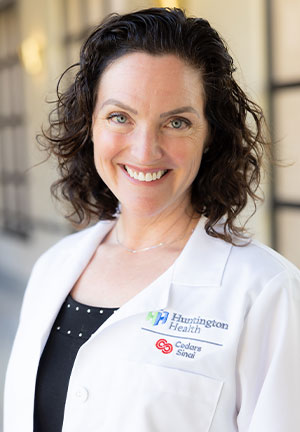
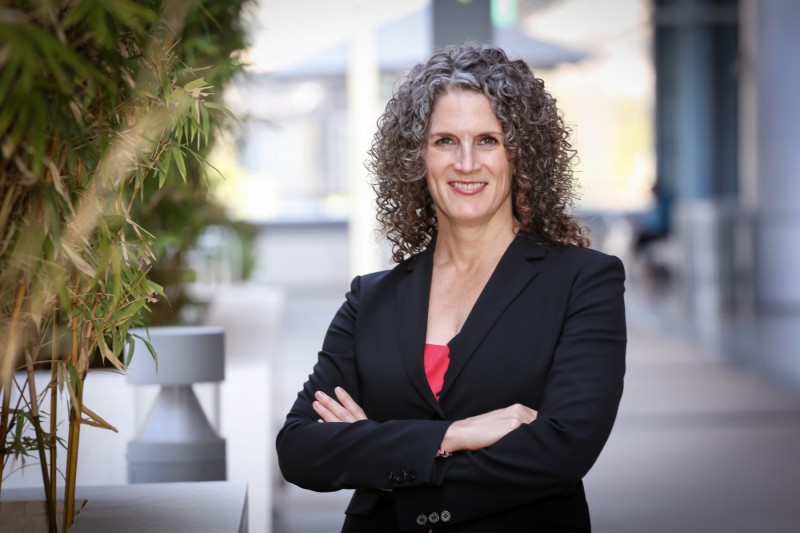
According to the U.S. Centers for Disease Control and Prevention (CDC), norovirus contributes to 56,000 to 71,000 hospitalizations and 570 to 800 deaths each year in the U.S. Kimberly Shriner, MD, medical director of infection prevention and control, Huntington Health, explains why people end up in the hospital: “The symptoms can make people not only feel genuinely bad – with nausea and diarrhea – but they can also lead to dehydration, making compromised people quite ill, causing hospitalization.”

The CDC says about 20 million people get sick from norovirus each year. The large number is due to the virus’s resilience and rate of spread: It can survive on surfaces for multiple weeks, infected food workers can easily contaminate food they prepare or serve, and it spreads rapidly within crowds and confined spaces – like senior living facilities. Additional reasons for the current uptick have been linked to contaminated oysters, and some officials believe re-entering public places after a long COVID-19 lockdown has made individuals more vulnerable to catching viruses.

The good news is, you can still avoid getting it or spreading it. Dr. Shriner explains, “The best tool to prevent this virus is frequent handwashing. Interestingly, we are learning that hand sanitizers are not as beneficial in preventing the spread of this virus. So it’s important to take every precaution to wash hands and keep surfaces and linens clean if you are living in a space where your friends or family members have the virus.”

Here are some additional facts about norovirus:

  • How it’s spread: Norovirus is found in vomit and feces; when an infected person vomits, norovirus can land on nearby surfaces and objects. Unwashed hands can also contaminate food. You can get norovirus by caring for an infected person; changing diapers; eating or drinking food touched by an infected person; eating undercooked shellfish from contaminated waters; touching contaminated surfaces or objects then touching your mouth or food before washing your hands; using a contaminated toilet; and cleaning up infected vomit or diarrhea without protective gear (e.g., gloves, mask and gown). You can also get norovirus more than once because of its many strains.
  • How long you are contagious: Infected people are contagious as soon as they feel ill and a few days after they feel better, but one can be contagious for two weeks or longer after feeling better.
  • Symptoms: Norovirus causes gastroenteritis – short-term inflammation of the digestive system – which can include stomach cramps, nausea, diarrhea, vomiting, a low-grade fever, headache and body aches. Vomiting and diarrhea can occur many times a day, which can cause dehydration, especially in young children, seniors and compromised people. Signs of dehydration: less-than-normal urination, dry mouth and throat, and dizziness when standing up. Children with dehydration may cry with few to no tears and be unusually sleepy or irritable.
  • Treatment: Drinking lots of fluids is recommended to replenish fluids lost from vomiting/diarrhea and prevent dehydration. Contact your doctor if you suspect dehydration. Norovirus is not treated with antibiotics because it is not caused by bacteria.
  • How you can prevent it: Wash hands often with soap and water for at least 20 seconds. Carefully wash fruits and vegetables and fully cook oysters and other shellfish (140 F will kill norovirus). If you’re sick, stay home and avoid using public toilets (if you use a public toilet, inform staff so they can properly disinfect it). Do not care for others or prepare/serve their food for at least 2 days after you feel better. Disinfect areas contaminated by vomit/diarrhea with the following solution: 1 cup of bleach per 1 gallon of water.

To learn more about norovirus visit: www.cdc.gov/norovirus/index.html
Huntington Health presents Heart of Huntington Award to recipients and finalists

Huntington Health presents Heart of Huntington Award to recipients and finalists

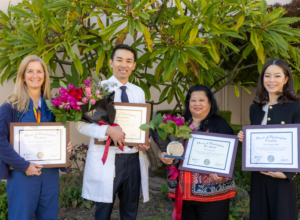
Huntington recently held its sixth ceremony to honor team members with the Heart of Huntington Award. Developed as a peer-to-peer recognition program for employees, physicians and volunteers, this quarterly award honors clinical and non-clinical individuals for displaying extraordinary acts of kindness to our patients, their families and one another.

During the ceremony, Lori J. Morgan, MD, MBA, president and CEO of Huntington Health, presented Heart of Huntington Awards to Keith Tsang, MD, and Zim Liang, BA. Dr. Tsang received the clinical Heart of Huntington Award for his empathetic and compassionate approach to care in the emergency department (ED) for patients – often experiencing the most stressful, frightening and painful moments in their lives. In addition to keeping the patient’s best interest at the forefront of his work, his positive presence and willingness to go out of his way to help colleagues and work extra hours have earned him respect, admiration and gratitude. Receiving more than 30 nominations – a Heart of Huntington record – Dr. Tsang is regarded as a reliable leader, teacher and peer. “Dr. Tsang embodies Huntington’s core values so effortlessly, even with the difficult work he does. His peers praise his collaborative nature and commitment to excellence. They commend his deep respect for everyone on the floor and how he delivers patient care with integrity. He is a true steward of Huntington and our mission. And our ED is stronger because of it,” said Dr. Morgan.

Zim Liang received the non-clinical Heart of Huntington Award for her compassionate work as a resource specialist in the Senior Care Network. Zim guides clients and their families through the Assisted Living Waiver process, which can be a challenging life transition, but Zim comforts them with her patience and kindness. A common sentiment among her colleagues and clients is gratitude. Many colleagues recognized Zim for honoring the needs of applicants and their families; providing support through regular check-ins and ongoing communication is a hallmark of her service. A client’s granddaughter also gave Zim high praise: She wants to do what Zim does when she grows up, which is a significant tribute to Zim’s exceptional community care. “Zim is truly making a difference in people’s lives: in her everyday work, in her genuine disposition and nature of kindness, and in letting people know they matter – especially during times of need,” said Dr. Morgan.

Dr. Morgan also recognized clinical finalist, Stacey C. Pereira, BSN, RN-C, and non-clinical finalist, Frances Kim, MHA. Stacey was nominated for her ability to “wear many hats” as a clinical manager, which requires supporting multiple teams and consistently meeting each need in her area.

Frances was acknowledged for possessing “unparalleled and exceptional” project manager attributes that keep the team moving forward as it evolves to meet patients’ needs. Her colleagues appreciate her “can-do” attitude and the strong, steady support she provides

Congratulations to these amazing recipients and finalists!

Go to huntingtonhealth.org/HOH to learn more about the Heart of Huntington Award.

Huntington Hospital Earns Blue Distinction® Centers+ Designation for Cardiac Care

Huntington Hospital Earns Blue Distinction® Centers+ Designation for Cardiac Care

Blue Shield of California has recognized Huntington Hospital with a Blue Distinction Centers+ for Cardiac Care designation as part of the Blue Distinction Specialty Care program. Blue Distinction Centers are nationally designated providers that show expertise in delivering improved patient safety and better health outcomes, based on objective measures that were developed with input from the medical community and leading accreditation and quality organizations.

According to the American Heart Association (AHA),1 cardiovascular disease is the leading cause of
death globally and is expected to claim more than 23.6 million lives annually by 2030. Blue Distinction Centers+ for Cardiac Care seek to empower patients with the knowledge and tools to find quality cardiac care. To receive a Blue Distinction Centers+ designation, hospitals must demonstrate expertise in delivering safe and effective cardiac care, focusing on cardiac valve surgery, coronary artery bypass graft (CABG), and percutaneous coronary interventions (PCI) episodes of care. Hospitals receiving a Blue Distinction Centers+ designation must also demonstrate better cost efficiency compared to their peers.

Only those hospitals that first meet nationally established quality measures for Blue Distinction Centers are considered for designation as a Blue Distinction Centers+.

“We are honored to once again be named a Blue Distinction Center, which is a testament to the excellent cardiac care we provide,” said Azhil (Alex) Durairaj, MD, medical director of cardiovascular services, Huntington Hospital. “Heart disease affects the lives of so many Americans. Our superb cardiac team’s response to combating this disease is not only providing outstanding care; it’s our dedication to expanding treatment through innovation, state-of-the-art technology, and community education.”

“We are thrilled to recognize Huntington Hospital with the Blue Distinction Centers+ for Cardiac Care
designation, which distinguishes the highest standards for healthcare quality, service, and patient safety, and best-in-class cost-efficiency,” said Susan Fleischman, MD, chief medical officer at Blue Shield of California. “Together, we are creating a healthcare system that is worthy of our family and friends and sustainably affordable.”

Hospitals recognized with this designation are assessed using a combination of quality information supplied by hospitals and third-party data registries, and cost measures derived from Blue Cross and Blue Shield companies’ medical claims.

Since 2006, the Blue Distinction Specialty Care program has helped patients find quality specialty care in the areas of bariatric surgery, cancer care, cardiac care, cellular immunotherapy, fertility care, gene therapy, knee and hip replacements, maternity care, spine surgery, and transplants, while encouraging health care professionals to improve the care they deliver. Research shows that compared to other providers, those designated as Blue Distinction Centers demonstrate better quality and improved outcomes for patients. On average, Blue Distinction Centers+ are also 20 percent more cost-efficient than non-Blue Distinction Centers+ designated providers.
For more information about the program and for a complete listing of the designated providers, visit
www.bcbs.com/bluedistinction.

About Blue Shield of California
Blue Shield of California strives to create a healthcare system worthy of its family and friends that is sustainably affordable. Blue Shield of California is a tax-paying, nonprofit, independent member of the Blue Shield Association with 4.7 million members, 7,800 employees, and $22.9 billion in annual revenue. Founded in 1939 in San Francisco and now headquartered in Oakland, Blue Shield of California and its affiliates provide health, dental, vision, Medicaid, and Medicare healthcare service plans in California. The company has contributed $120 million to Blue Shield of California Foundation in the last three years to have an impact on California communities. For more news
about Blue Shield of California, please visit news.blueshieldca.com. Or follow us on LinkedIn,
Twitter, or Facebook.

About Blue Cross Blue Shield Association
The Blue Cross and Blue Shield Association is a national federation of 36 independent, community based and locally operated Blue Cross and Blue Shield companies that collectively provide health care coverage for one in three Americans. BCBSA provides health care insights through Blue Cross Blue Shield, The Health of America Report® series and the national BCBS Health IndexSM. For more information on BCBSA and its member companies, please visit BCBS.com. We also encourage you to connect with us on Facebook, check out our videos on YouTube and follow us on Twitter.

About Blue Distinction Centers
Blue Distinction Centers (BDC) met overall quality measures, developed with input from the medical community. A Local Blue Plan may require additional criteria for providers located in its own service area; for details, contact your Local Blue Plan. Blue Distinction Centers+ (BDC+) also met cost measures that address consumers’ need for affordable healthcare. Each provider’s cost of care is evaluated using data from its Local Blue Plan. Providers in CA, ID, NY, PA, and WA may lie in two Local Blue Plans’ areas, resulting in two evaluations for cost of care; and their own Local Blue Plans decide whether one or both cost of care evaluation(s) must meet BDC+ national criteria. National criteria for BDC and BDC+ are displayed on www.bcbs.com. Individual outcomes may vary. For details on a provider’s in-network status or your own policy’s coverage, contact your Local Blue Plan and ask your provider before making an appointment. Neither Blue Cross and Blue Shield Association nor any Blue Plans are responsible for non-covered charges or other losses or damages resulting from Blue Distinction or other provider finder information or care received from Blue Distinction or other providers.

1 American Heart Association, https://www.heart.org/-/media/data-import/downloadables/heart-disease-andstroke-statistics-2018—at-a-glance-ucm_49

Cedars-Sinai and Its Affiliate Huntington Health Are Collaborating to Bring Expanded Epilepsy Monitoring and Treatment to the San Gabriel Valley

Cedars-Sinai and Its Affiliate Huntington Health Are Collaborating to Bring Expanded Epilepsy Monitoring and Treatment to the San Gabriel Valley

Cedars-Sinai and its affiliate Huntington Health are collaborating on a new Epilepsy Monitoring Unit to bring treatment and care closer to epilepsy patients in the San Gabriel Valley.

Epilepsy causes intense bursts of electrical activity in the brain, resulting in seizures that can affect muscle control, speech, vision and awareness. Seizures can be controlled with medication in the majority of cases. However, medication alone doesn’t control symptoms for about one-third of the 3 million U.S. adults with epilepsy.

Avriel Linane DO, Medical Director, Epilepsy
Avriel Linane, DO

The new Epilepsy Monitoring Unit at Huntington Hospital allows patients with uncontrolled epilepsy to be evaluated locally, referred to Cedars-Sinai for advanced treatment as needed, and then to continue their care with their Huntington Health neurologist.

Patients with drug-resistant epilepsy shouldn’t delay being evaluated for further treatment, said Avriel Linane, DO, medical director of the Epilepsy Monitoring Unit at Huntington Hospital.

“Uncontrolled seizures increase a patient’s risk for sudden unexpected death in epilepsy, and for injury during seizures,” Linane said. “They affect patients’ lives, whether they can work, whether they can drive, and their ability to care for their children. Our goal is to help them get their lives back.”

Opened last August with the support of donors, the unit at Huntington includes remodeled patient rooms equipped with cameras and bedside electroencephalogram (EEG) monitoring to measure brain wave activity.

Patients who come to the unit have 21 EEG electrodes—each correlating with a different part of the brain—placed noninvasively on the scalp. Staff neurologists taper off or discontinue a patient’s seizure medications, then continuously monitor patients over several days to record seizure activity. This monitoring is the first step in determining where in the brain the seizures originate.

Yafa Minazad, DO, Medical Director of the Neurophysiology
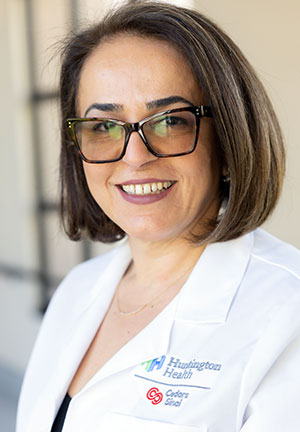
Yafa Minazad, DO

Linane and neurologists Yafa Minazad, DO, and Adena Shahinian, DO, personally monitor patients during their stay, tracking seizure activity, adjusting medications as needed and deciding when sufficient data has been collected so the patient can go home.

Patients also might undergo MRI, PET and other imaging studies, and neurocognitive, memory and language testing. When testing and monitoring are complete, each patient’s information is discussed at a meeting between Huntington and Cedars-Sinai epilepsy physicians and nurses.

“We go over the patient’s history and imaging and watch the EEG and video together so that everyone becomes familiar with the patient,” said Linane. “Then we decide as a group of neurosurgeons and epileptologists what the best next steps might be.”

Patients who need more extensive treatment can undergo surgical procedures at Cedars-Sinai to place electrodes into or on the surface of the brain, followed by in-hospital monitoring to more closely pinpoint the origin of the patient’s seizures. In some patients, a surgical procedure to remove the abnormal portion of brain identified by these evaluations could eliminate their seizures.

Other patients may be candidates to receive a neuromodulation device, such as a vagus nerve stimulator, responsive neurostimulator, or a deep brain stimulator. These devices, implanted at Cedars-Sinai, send electrical signals into the brain to reduce the frequency of seizures.

This means less travel time without compromising patient care.

Lisa Bateman MD

“It’s a great model that has worked well for us in other programs,” Bateman said. “People stay close to home, they receive excellent care, and they like it.”

“The goal of this collaboration is that patients have their initial evaluation at Huntington Hospital, then are referred to Cedars-Sinai for certain types of specialized testing and surgical procedures,” said Lisa Bateman, MD, director of the Cedars-Sinai Surgical Epilepsy Program. “After post-procedure evaluations, they can return to their providers at Huntington and continue to receive their epilepsy care there.”

Lori J. Morgan, MD, MBA, President and CEO, Huntington Health, Elected 2023 Board Chair of the Hospital Association of Southern California

Lori J. Morgan, MD, MBA, President and CEO, Huntington Health, Elected 2023 Board Chair of the Hospital Association of Southern California

Recently, Huntington Health President and CEO, Lori J. Morgan, MD, MBA, was elected the 2023 board chair of the Hospital Association of Southern California (HASC). She has been a member of the board since 2018.

In their announcement, HASC President George Greene shared: “Dr. Morgan has been an extremely valued voice as a HASC board member and has demonstrated unparalleled commitment to our hospitals and communities. We look forward to her guidance in the year ahead.” 

“In the coming months, Dr. Morgan and the HASC board and staff will work to tackle challenges related to our strategic objectives,” added Greene. “In collaboration with the board, HASC embarks on an annual process to identify critical barriers that hinder the delivery of high-quality care and to develop an action plan.”

Under Dr. Morgan’s board leadership, HASC will focus on the following areas:

  • Behavioral health
  • Emergency Medical System (EMS) 
  • Workforce/workplace safety
  • Public health
  • Local Medi-Cal managed care plans
  • Local advocacy
  • Homelessness

To read more about this announcement, go to: HASC Welcomes 2023 Board Chair – HASC

Huntington Hospital Announces New Chairman of the Board of Directors

Huntington Hospital Announces New Chairman of the Board of Directors
Paul Johnson
Paul Johnson

Today, Huntington Hospital announced current board member, Paul Johnson, has been appointed as the new chairman of the board of directors. Paul has served on Huntington’s board since 2013, and in 2019, he became a lifetime trustee of the hospital. He replaces the previous board chairman, Jaynie Studenmund, and will serve a four-year term.

“I’m pleased to welcome Paul Johnson into this leadership role on our Board of Directors,” said Lori J. Morgan, MD, MBA, president and CEO, Huntington Health. “Paul’s outstanding leadership skills and knowledge of our hospital makes him a faithful champion for advancing local care. Our mission to ensure the highest level of healthcare to the community, today and into the future, will be seamlessly upheld under Paul’s expert guidance.”   

Paul is currently the managing director of Paul Conrad LLC, an early-stage technology investment company and a strategic advisory service for high-potential mid-sized businesses, startups and investment groups. He also serves on the boards of multiple technology startups and private equity backed companies.

Additionally, Paul is the president and director of the Gesner-Johnson Foundation, which provides support to non-profits that serve the underserved in our communities. The foundation has also contributed significantly to Huntington Hospital.

“I look forward to leading this board of professionals and community leaders, many of whom I’ve had the honor of working with for nearly a decade,” said Paul Johnson. “Together, we remain committed to Huntington’s vision and mission to provide excellent healthcare and compassionate care to our community.”      

Paul has also held management positions in marketing and strategic planning at leading consumer packaged-goods companies, including Nestlé, Conagra and Chiquita. From 1999-2012, he was president and CEO of Kelley Blue Book, where he led the transformation from a regional printed trade publishing guide into a diversified data research company and the most recognized consumer automotive internet portal in the country.

Paul received his bachelor’s degree in economics from Whitman College and his MBA from Northwestern University’s Kellogg School of Management.

Peter M. Rosenberg, MD, FACP, Elected Chief of Medical Staff at Huntington Hospital

Peter M. Rosenberg, MD, FACP, Elected Chief of Medical Staff at Huntington Hospital

Peter M. Rosenberg, MD, FACP, has been elected chief of the medical staff for Huntington Hospital, effective January 1, 2023. Dr. Rosenberg will lead a medical staff of more than 1,015 physicians who serve the San Gabriel Valley.

“I’d like to offer my sincere congratulations to Dr. Rosenberg, a trusted Huntington physician and a proven leader amongst his peers. Dr. Rosenberg has made exceptional patient care a hallmark of his esteemed career and is an excellent representation of the compassionate community care for which Huntington is so well known,” said Lori J. Morgan, MD, MBA, president and CEO, Huntington Health. “As chief of medical staff, his decades of experience and collaborative leadership will be of great value to physicians on Huntington’s medical staff, and of benefit to patients and our community.”

Dr. Rosenberg specializes in gastroenterology and internal medicine. Since 2004, he has affiliated with Huntington as a member of the hospital’s medical staff while in private practice locally. Dr. Rosenberg’s participation in leadership positions on the hospital’s medical staff has spanned more than a decade and included the roles of vice president and secretary/treasurer, as well as chair of both the department of medicine and gastroenterology section. He is also active in teaching Huntington medical and surgical residents.

“I am thrilled to become Huntington’s chief of medical staff at such a pivotal time of growth and opportunity in our institution’s history,” said Dr. Rosenberg. “My overarching goal is to continue the tradition of clinical excellence and personalized, compassionate care, which has defined us as a medical staff. I strongly believe that ongoing education and staff wellness are a priority to accomplish our work. I also hope to work closely with all Huntington-affiliated physicians to provide opportunities for involvement across Huntington Health.”

Dr. Rosenberg received his Bachelor of Arts in History of Science from Harvard College and graduated from Harvard Medical School in 1993. At Massachusetts General Hospital, he completed his fellowship in gastroenterology, hepatology and therapeutic endoscopy, and his residency in internal medicine.           

Huntington Health Offers Free Seminars to Community About the Fentanyl Crisis

Huntington Health Offers Free Seminars to Community About the Fentanyl Crisis

In California and nationally, there has been a rise in deaths associated with fentanyl poisoning. According to the Centers for Disease Control and Prevention, in 2021 alone, 80,816 people died in the U.S. of overdoses that primarily involved fentanyl, commonly added as a filler to other drug substances, unknown to the buyer, which results in many unintentional fatal overdoses.

To deal with this crisis, Huntington Health, an affiliate of Cedars-Sinai, recently launched a free fentanyl education program for the community. Huntington-affiliated emergency department physician Ted Peck, MD, and clinical pharmacist specialist Evan Adintori, PharmD, BCPS, and its community outreach team are spearheading the program, which offers free seminars to parents at local schools, and to the public at community centers and libraries.

The seminars cover the dangers of fentanyl, the pervasiveness of the drug in the community and what to do if someone overdoses. They also provide information about Narcan, a nasal spray used to reverse or reduce the effects of opioids. Training for administering Narcan for a fentanyl poisoning is offered as well.

“Fentanyl poisoning poses a unique challenge because its consequences are immediate and often lethal. Although overdose deaths are not a new entity, the sudden, unexpected and abrupt manner in which fentanyl takes life is concerning to say the least. As a hospital that has been a part of this community for multiple generations, we would like to be directly involved with helping Pasadena families navigate this challenging situation,” said Dr. Peck.

“Accidental fentanyl overdose deaths nationally have become the number one killer of 18-to 45-year-old people, surpassing deaths from car accidents, gun violence, heart disease and COVID-19, according to the Centers for Disease Control and Prevention,” said Eric Handler, MD, Interim Health Officer, City of Pasadena. “Education is a key component in addressing this epidemic.”

If you are interested in learning more about the fentanyl crisis and how to administer Narcan, please attend a free session listed below.

2023 Fentanyl Seminar Dates, Times and Locations:

  • Saturday, January 28, 2023, 11 a.m., Lamanda Park Branch Library, 140 S. Altadena Dr., Pasadena
  • Saturday, February 11, 2023, 11 a.m., Linda Vista Branch Library, 1281 Bryant St., Pasadena
  • Saturday, February 25, 2023, 11 a.m., Santa Catalina Branch Library, 999 E. Washington Blvd., Pasadena
  • Saturday, March 11, 2023, 11 a.m., Altadena Library, 600 E. Mariposa Ave., Altadena
  • Saturday, April 15, 2023, 1:30 p.m., Crowell Library, 1890 Huntington Dr., San Marino

If you are interested in hosting this seminar for your organization or school, please email: [email protected]

Huntington Health, A Cedars-Sinai Affiliate, Donates Personal Protective Equipment to Ukraine

Huntington Health, A Cedars-Sinai Affiliate, Donates Personal Protective Equipment to Ukraine

60,000 Coveralls Headed to Hospitals in War-Torn Country

Huntington Health, an affiliate of Cedars-Sinai, recently donated thousands of bunny suits – head-to-toe coveralls used as personal protective equipment (PPE) – to health care facilities in war-torn Ukraine. The donation was facilitated by International Medical Corps, a first responder organization based in Santa Monica that provides emergency medical response and disaster relief worldwide.

During the COVID-19 pandemic, Huntington Health ordered more than 60,000 disposable, sanitary coveralls – often called “bunny suits” by healthcare workers — to help protect community nurses who staffed the surge tents at the Pasadena Convention Center. After the surge tents closed, Huntington Health leaders wanted to put the surplus to good use. Huntington’s leadership reached out to the Cedars-Sinai supply chain team, who immediately connected with International Medical Corps.

Steven L. Mohr, CPA, MBA, chief financial officer of Huntington Health said, “We are fortunate the pandemic has evolved to the stage we are in, and we can use these protective suits to support not only nurses and physicians but potentially communities of people who are being impacted by this war. I’m proud to be part of this collaboration to help those in need during such a dire time for their country.”

Due to the constant threat that the war poses because of Russian bombing near Ukraine nuclear facilities, a portion of the suits are currently being used by healthcare facilities for Chemical, Biological, Radiological and Nuclear warfare training. Additionally, International Medical Corps sent a large shipment of Huntington’s PPE to front-line health care workers to identify and protect themselves. This shipment also will be dispersed to the general population should a nuclear crisis arise.

“Rarely have we seen the COVID-19 pandemic and associated supply chain challenges bring forth a more encouraging outcome than what a small group of supply chain and community engagement professionals have done across our Cedars-Sinai Health System,” said Motz Feinberg, vice president, Supply Chain for Cedars-Sinai Health System. “Turning excess coveralls into an international show of good will took over a year to orchestrate and has ended with a truly positive message for this holiday season.” 

# # #

Huntington Health, A Cedars-Sinai Affiliate, Taps Robbin Cohen, MD, to Lead Expanded Cardiac Surgery Program

Huntington Health, A Cedars-Sinai Affiliate, Taps Robbin Cohen, MD, to Lead Expanded Cardiac Surgery Program

Local cardiothoracic brings complex, coordinated care to patients throughout the San Gabriel Valley

This month, Huntington Health announces the expansion of its dedicated, expert cardiac surgery program. Robbin Cohen, MD, MMM, will be transitioning from Keck Medicine of USC to join the team of Cedars-Sinai physicians at Huntington Health as director of the cardiac surgery program. This development brings Cedars-Sinai’s top-ranked cardiac surgery program to patients throughout the San Gabriel Valley.

“Dr. Cohen has been providing expert care to our community at our hospital for over 30 years as an expert cardiothoracic surgeon,” said Lori J. Morgan, MD, MBA, president and CEO, Huntington Health. “Now, we are thrilled he will be offering his skill and expertise to lead the Cedars-Sinai cardiothoracic surgery program at Huntington Health. This announcement is yet another benefit of our affiliation with Cedars-Sinai, as we continue to expand our services to provide our patients further access to nationally-recognized cardiac care.”

Dr. Cohen earned his medical degree at the University of Colorado School of Medicine, followed by training programs in general surgery, vascular surgery, cardiothoracic surgery, and heart and lung transplantation at Stanford University Hospital. He later went on to complete his master’s degree in Medical Management at the USC/Marshall School of Business.

With dozens of awards and honors to his name, Dr. Cohen has written and lectured extensively on adult cardiac surgery, lung transplantation, and minimally invasive heart and lung procedures. Among his accomplishments—including multiple teaching awards from the University of Southern California—Dr. Cohen was recently recognized with the highest rating from The Society of Thoracic Surgeons for patient care and outcomes. He comes to Cedars-Sinai from University of Southern California, where he has served as vice chairman for Clinical Affairs for the Department of Cardiothoracic Surgery, co-director of the USC Lung Transplant Program, co-director of the Aortic Center at USC, and founder and medical director of USC’s Genetic Aortic and Related Disorders Center.

“Joining Cedars-Sinai’s leading heart team with our Huntington team to launch the cardiac surgery program at Huntington Health is a great point of pride for me,” said Dr. Cohen. “With this new role and growth of our cardiothoracic program, Huntington is well-positioned to provide the highest level of cardiac surgery to our patients, when they need us the most.”

Dr. Cohen and his team  provide cardiac surgical services at the Helen and Will Webster Heart & Vascular Center at Huntington Hospital, the most comprehensive and innovative facility for cardiac care in the San Gabriel Valley. From research and diagnosis to treatment and recovery, the center’s wide range of cardiovascular services – along with the latest medical technologies – are all brought together under one roof.

To learn more about cardiac care at Huntington Health, visit: www.huntingtonhealth.org/heart