Here for a Healthier Community

Huntington Ambulatory Care Center Receives High Ranking on Newsweek’s Best Ambulatory Surgery Centers in 2021 List

Huntington Ambulatory Care Center Receives High Ranking on Newsweek’s Best Ambulatory Surgery Centers in 2021 List

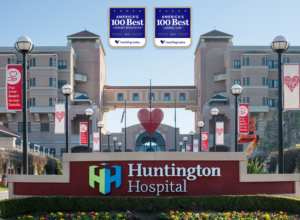
Huntington Ambulatory Surgery Center has been recognized on Newsweek’s inaugural list of Best Ambulatory Surgery Centers 2021. This prestigious award is presented by Newsweek and Statista Inc., the world-leading statistics portal and industry ranking provider.

“We are honored to be named to Newsweek’s list of America’s Best Ambulatory Surgery Centers for 2021,” said Lori J. Morgan, MD, MBA, president and CEO, Huntington Hospital. “Our team of skilled physicians, nurses and staff at Huntington Ambulatory Surgery Center deliver safe, excellent care to our surgery patients every day. This designation demonstrates our commitment to not only providing the highest quality care to our patients, but doing so in a safe, state-of-the-art facility where patients can recover quickly and return to the activities they enjoy.”

The Best Ambulatory Surgery Centers 2021 highlights the nation’s top ambulatory surgery centers based on quality of care, performance data and peer recommendations, relative to in-state competition. Centers in the 25 states with the highest number of Ambulatory Surgery Centers (ASCs), according to the Centers for Medicare & Medicaid Services (CMS), were included in the study. States included: Arizona, California, Colorado, Florida, Georgia, Illinois, Indiana, Kansas, Louisiana, Maryland, Michigan, Minnesota, Mississippi, Missouri, New Jersey, New York, North Carolina, Ohio, Oregon, Pennsylvania, South Carolina, Tennessee, Texas, Washington, and Wisconsin.

To see the entire awards list, please visit https://www.newsweek.com/americas-best-ambulatory-surgery-centers-2021.

Huntington Ambulatory Surgery Center is one of the most complete outpatient surgery centers in the San Gabriel Valley. Our physicians and our highly competent staff are dedicated to providing the best possible surgical outcomes. The staff of over 200 experienced surgeons treat a wide range of health issues including: general surgery, orthopedic, plastic & reconstructive, gynecologic, otolaryngologic (ENT), podiatry, opthalmology & pediatric opthalmology, pain management, oral surgery, breast, oncology, pathology, radiology, urology and neurosurgery.

Learn how the Huntington Ambulatory Surgery Center is designed to accommodate the special needs of the pediatric patient. The Center has a highly qualified nursing staff, and the anesthesia team has extensive training and experience with children.

Huntington Hospital Provides Over $109.9 Million in Community Benefits in 2019

Huntington Hospital Provides Over $109.9 Million in Community Benefits in 2019

As part of its non-profit mission, Huntington Hospital provides significant benefits to the communities it serves, often in the form of health education, outreach, and low or no-cost hospital care for the uninsured and those with limited means. In 2019, the hospital provided an estimated total of $109,926,391 worth of health care services and support to residents of the San Gabriel Valley and beyond.

“As a non-profit, community hospital, your good health is at the heart of all we do,” says Lori J. Morgan, MD, MBA, President and CEO, Huntington Hospital.  “Our annual Community Benefits Report details the many ways we are able to support and care for our friends, families and neighbors. We know that well-being extends far beyond our hospital walls, and we are so pleased to share how our community can count on us to stay healthy.”

These community benefits include charity care for those patients unable to pay, as well as care expenses underwritten by the hospital that reflect the differences between the actual cost of the care and the amount of money received for patients covered by Medicare and/or Medi-Cal.

Community benefits support research, education, and training, including clinical research, graduate medical education programs, scholarships, and continuing education in nursing and many other disciplines as well as benefits directed to the community-at-large, such as seniors, other vulnerable populations or the underserved, and those suffering from specific diseases (such as heart failure).

In 2019, Huntington Hospital provided:

  • 77,902 visits to Emergency & Trauma Center
  • 3,450 visits to Huntington Ambulatory Care Center for low- or no-cost primary and specialty care
  • 3,392 patients with free nurse navigation services
  • 2,049 people training to learn how to “Stop the Bleed”
  • 3,143 staff members with training in Trauma-Informed Care
  • 465 people with stroke support groups
  • 2,230 community members with complimentary flu shots
  • 219 new parents with Infant CPR training, plus over 100 community members learned Hands-Only CPR
  • 1,511 people with free health screenings and counseling
  • 3,120 mothers support from our breastfeeding support group
  • 3,489 callers who benefited from Senior Care Network Resource Center support and referrals
  • 1,794 people with free health education classes
  • 6,847 seniors with the 50+ Health Connection membership of Senior Care Network
  • 6 “pop-up” medical clinics at local schools, food pantries and community centers, in partnership with Huntington Ambulatory Care Center and medical residents

Huntington Hospital also supported our current and future caregivers by providing health education and training programs for our internal medicine, general surgery and pharmacy post-grad residents as well as for nursing students and departmental interns.

These benefits, and many more, are described in detail in an annual Community Benefits Report submitted to the state each May. To review the complete 2019 Community Benefits Report, please visit: https://www.huntingtonhealth.org/community/community-benefit/.

Important Updates to Huntington Hospital’s Visitor Policy

Important Updates to Huntington Hospital’s Visitor Policy

Effective tomorrow, November 18, 2020, Huntington Hospital is closed to in-person visitation and will resume virtual visitation.

This decision was based on Huntington’s risk-scoring matrix, which considers community infection rates and more. After carefully reviewing this matrix, combined with the current trends in Los Angeles County and throughout the country, we are making these appropriate updates to our visitor policy to protect the health of our patients and caregivers.

Exceptions to in-person visitation closure will include:

  • All patients at the end of life
  • One healthy parent at a time for pediatric and neonatal intensive care unit patients
  • One healthy birth partner and one certified doula for labor, delivery, postpartum and recovery units
  • One healthy visitor to drop off and pick up all patients having procedures, including outpatient surgery, GI lab, radiology, and catheterization lab:
    • Once the patient has arrived in the admitting area of the main lobby, the visitor must leave the hospital campus.
    • Upon completion of the patient’s procedure, the family will be called and notified of next steps related to when the patient will be ready to go home and instructions for how to reunite with the patient at the hospital so they may go home.
  • One healthy visitor to drop off a patient in the emergency department.
    • Upon patient drop off, visitors must leave campus and wait for a phone call.
    • Visitors may wait in their cars or at an off-campus location.
    • The only exception to this is that one healthy parent of a patient under the age of 18 will be allowed back into the care area with their child.

For detailed information about our visitor policy, please visit: www.huntingtonhospital.org/visitors

With the holidays upon us and people’s desire to gather and celebrate, this increase of COVID-19 in our community comes at a dangerous time. Huntington Hospital’s Kimberly Shriner, MD, infectious disease specialist, has prepared a few tips to help the community make the most informed decisions. Most important, if you must gather, keep your celebrations short (no more than two hours); small (no more than 10 people, preferably smaller); social distance (at least six feet apart); and, wear masks when not eating. For these tips and more, please visit: https://www.huntingtonhealth.org/in-the-news/holiday-covid-19-tips-huntington-hospital-infectious-disease-specialist-kimberly-shriner-md/

Holiday COVID-19 Tips from Huntington Hospital’s Infectious Disease Specialist, Kimberly Shriner, MD: Give the gift of health and well-being

Holiday COVID-19 Tips from Huntington Hospital’s Infectious Disease Specialist, Kimberly Shriner, MD: Give the gift of health and well-being

The holiday season is upon us, but this year, with COVID-19, traditional family gatherings bring a dangerous risk for the spread of the disease. Huntington Hospital’s Kimberly Shriner, MD, infectious disease specialist, has prepared a few tips to help you make the most informed decisions about how to spend the holidays this year.

1. If you must gather, keep your celebrations short (no more than two hours); small (no more than 10 people, preferably smaller); social distance (at least six feet apart); and, wear masks when not eating. Ideally, gather outside where there is ample fresh air.

2. People over 65 (with or without pre-existing illnesses) are at high risk of COVID-19 – they are more likely to suffer the worst effects of the virus, if they become infected. If you have 65+ members in your family, consider a drive-by event or family online session (via Zoom, FaceTime, etc.) to connect instead of an in-person gathering.

3. A negative COVID test is not a greenlight to gather, necessarily. Incubation periods can vary, and exposures can happen at any time.  

4. This is also not the time to gather closely around a fireplace and sing holiday carols together. Singing, yelling, speaking loudly, blowing out candles, whistling, playing wind instruments or any type of game that requires close contact should be avoided.  Alternately, a family slideshow or home movies with guests sitting six feet apart could be a safe activity that everyone could enjoy.  

5. Identify one or two people to serve meals to guests  and avoid a buffet. If you want to enjoy your favorite leftovers, bring your own to-go containers to avoid cross contamination.

You might have plans to travel to a different location either by air, train or car.  While we strongly recommend that you consider postponing those travel associated events until a vaccine is widely available and the danger of COVID diminishes a bit (perhaps as soon as this spring), we understand that travel may still be required.  We encourage you to weigh all your options and consider the impact of your decisions on your family and community.

This holiday season is going to be challenging, as we are creatures of habit and savor our traditions. We can reframe our thinking around the holiday to think about giving our family and community the greatest gift of all – health and wellness. So many lives have been lost throughout the world due to COVID-19. It’s important that we collectively work together to help each other get through this unprecedented pandemic.

Pamela Weatherspoon, MBA, joins Huntington Hospital as Vice President, Enterprise Diversity, Equity and Inclusion

Pamela Weatherspoon, MBA, joins Huntington Hospital as Vice President, Enterprise Diversity, Equity and Inclusion
Pamela Weatherspoon headshot
Pamela Weatherspoon, MBA

(PASADENA, Calif., November 17, 2020) – Huntington Hospital today announced that Pamela Weatherspoon, MBA, is joining the hospital’s executive management team as Vice President, Enterprise Diversity, Equity and Inclusion, a new role within the organization.  She will begin December 21, 2020.

Weatherspoon has been charged with advancing Huntington’s family of services with a diversity, equity and inclusion strategy. She will partner with leaders across the organization to develop and promote a cross functional/departmental strategic plan for diversity, equity and inclusion (DEI) that advances patient experience and education, overall quality of care and workforce culture, engagement and representation goals. Additionally, Weatherspoon will strengthen marketplace opportunities, develop the organization’s thought leadership platform and build relationships with both internal and external partners, including community members, to provide effective leadership in the coordination of all diversity-related programs and initiatives. Overall, she will build, equip and sustain a representative workforce that delivers equitable healthcare and promotes a culture of diversity, equity, inclusion and belonging.

“Huntington is committed to standing and working together for a more just, healthy future for all. It gives me great pride to welcome Pamela to our organization as Vice President, Enterprise Diversity, Equity and Inclusion,” says Lori J. Morgan, MD, MBA, president and CEO, Huntington Hospital. “Her first charge will be to guide the work we already have underway related to our ongoing community benefit, Healthcare Equity Index, and LGBTQIA efforts that will promote a culture of diversity and inclusivity within our organization and address healthcare disparities within our community. Her extensive experience in this area will be fundamental in further creating a culture of diversity, equity and inclusion for our employees and the entire community.”

Weatherspoon joins Huntington Hospital from Jersey City Medical Center – RWJ Barnabas Health where she held the position of Director, Diversity and Inclusion. In this role, she directed all diversity, equity, and inclusion programs, created strategic workforce diversity strategies, training, policies, processes, and community investments/outreach for 2,800 employees. She also created multiple training curricula to meet the needs of the hospital and health care system; consequently training 2,570 employees in 2019.

Prior to her role at Jersey City Medical Center, she served as the Diversity, Equity, and Inclusion Program Manager at Legacy Health in Portland Oregon, where she directed all of the organization’s diversity, equity, and inclusion programs, managed workforce diversity strategies and delivery of culturally-responsive patient care efforts for the entire system of almost 14,000 employees. She also coordinated meaningful investments and partnerships to positively impact the community. Weatherspoon managed Legacy Health’s six employee resources groups to increase employee engagement and drove Legacy’s diversity action plan strategies. She created and advocated for multiple policies to increase workforce diversity and inclusion, decrease health disparities, and assure equitable community investments.

Weatherspoon earned her Master of Business Administration from Concordia University and her Bachelor of Science in Communications from Portland State University.

Ranjit S. Hundal, MD, MBA, FACPE, joins Huntington Hospital as Senior Vice President, Chief Clinical Officer

Ranjit S. Hundal, MD, MBA, FACPE, joins Huntington Hospital as Senior Vice President, Chief Clinical Officer
Ranjit S Hundal headshot
Ranjit S. Hundal, MD, MBA, FACPE

Huntington Hospital today announced that Ranjit S. Hundal, MD, MBA, FACPE, is joining the hospital’s executive management team as Senior Vice President, Chief Clinical Officer (CCO). He will begin January 11, 2021.

Dr. Hundal will leverage his significant experience to enhance quality, safety and growth that furthers Huntington’s tradition of clinical excellence. He will build upon the hospital’s strong clinical engine to improve processes, clinical operations and services, while utilizing evidence-based medicine to enhance quality outcomes for patients.

Dr. Hundal will work in concert with the hospitals highly talented and dedicated medical staff to champion Huntington’s Just Culture as he oversees and enhances peer-review, by-laws and credentialing systems. He will also lead Huntington’s renowned graduate medical education program which trains future generations of physicians in Huntington’s trusted brand of care.

As CCO, Dr. Hundal will also oversee the community-based physician group associated with the hospital, Huntington Health Physicians (HHP), and lead its continued expansion while enhancing value-based care programs.

“I’m so pleased to welcome Dr. Hundal to the Huntington Enterprise and its executive management team,” says Lori J. Morgan, MD, MBA, president and CEO, Huntington Hospital. “Dr. Hundal’s extensive clinical leadership and vision will advance quality and safety, build upon our strong medical staff culture and enhance clinical growth to further our tradition of clinical excellence.”

Dr. Hundal joins Huntington from Sutter Health Mills Peninsula Medical Center, where he served as chief medical executive.  In this role, he oversaw quality, safety, risk management, regulatory affairs and institutional research for the regional health services organization as well as group and individual physician contracting

Over the past decade, Dr. Hundal has earned market eminence as a physician executive and as a thought leader in clinical strategy, quality improvement, and physician alignment. He currently works under the tutelage of a Baldrige National Quality Award recipient and has mastered the skill of building and sustaining high performing teams that deliver top decile outcomes.  Dr. Hundal reset the culture to Zero Harm and led Mills Peninsula to five consecutive Leapfrog Grade A’s with reduction in Hospital Acquired Conditions (HACs) as well as the Silver Eureka Award from California Awards for Performance Excellence (CAPE) which is the state Malcolm Baldrige organization.

An experienced clinician with over twenty years of health care experience, Dr. Hundal has first-hand experience working in a nationally integrated healthcare system, having trained and practiced in the UK National Health Service. His lengthy career encompasses practice in many specialties including internal medicine, general surgery, urology, emergency medicine, cardiology and gastroenterology. 

Dr. Hundal received his medical training at Guy’s and St. Thomas’ Hospitals Medical School, University of London and completed his internship and residency in Internal Medicine at St. Mary’s Hospital and Medical Center in San Francisco where he was named Resident of the Year as well as Chief Resident in internal medicine. He holds an MBA in Health Care Leadership from Haslam College of Business, University of Tennessee and is a Certified Physician Executive from the American College of Physician Executives.

Providence Joins Anthem Blue Cross’ Vivity Health Plan as Joint-Venture Partner in Southern California

Providence Joins Anthem Blue Cross’ Vivity Health Plan as Joint-Venture Partner in Southern California

Expansion also includes addition of Henry Mayo Newhall Hospital in Los Angeles County

Anthem Blue Cross logo

THOUSAND OAKS, CA (Nov. 9, 2020) — Anthem Blue Cross (Anthem) today announced Providence Southern California (Providence) has agreed to join its Vivity Health Plan (Vivity) as a joint-venture partner effective November 1, 2020. The addition of Providence marks Vivity’s first expansion since it launched in 2015, bolstering the plan’s provider network offerings and collaboration in Orange and Los Angeles counties.

“We know the relationships we have with the Vivity providers are important to creating choices for our consumers and to fulfilling our mission of improving lives and communities,” said Beth Andersen, president Anthem Blue Cross commercial plans. “That’s why we are pleased to welcome Providence to the Vivity family as a partner, helping us to increase access to health care that’s affordable.”

With the addition of Providence, Vivity now offers members access to Providence’s extensive network of 746 primary care physicians, 2,800 specialists and 9 additional award-winning hospitals in Los Angeles and Orange counties.

“Providence is proud to join the Vivity partnership, which shares our commitment to simplify access to quality care, with compassion, and affordability,” said Erik G. Wexler, chief executive, Providence Southern California.

Providence joins Vivity’s founding non-profit health systems – all ranked in the top 30 in Los Angeles County by U.S. News & World Report – including Cedars-Sinai, Huntington Hospital, MemorialCare Health System, PIH Health, Torrance Memorial Medical Center and UCLA Health. Established as an LLC, all joint-venture partners share equal ownership in the governance of the organization.

“As a joint-venture among major non-profit health systems and Anthem, Vivity aligns incentives to deliver high-quality care and the best patient experience that is affordable,” said Rick Jacobs, Executive Vice President & Chief Strategy Officer at Cedars-Sinai. “We are thrilled to have Providence join Vivity so we can expand access in Southern California and continue to strengthen the value of care delivery.”

Vivity is the first-in-the-nation joint venture between a health plan and like-minded health systems aligned to enhance the health of members and utilizes a unique provider reimbursement structure that includes shared savings from community risk pools. Vivity provides a virtually integrated health care system experience that delivers high-quality, cost-effective care and coverage.

“This partnership complements our strategy to deliver a high value network of care focused on keeping people well and providing them the highest quality and coordinated care when sick,” said Prub “P.K.” Khurana, chief strategy officer, Providence Southern California, and chief executive, Providence St. Joseph Health Network.

Offered as an HMO product for employer groups in Southern California, Vivity consistently delivers high-quality care at an affordable cost to its customers and members. Average Vivity premiums in 2019 ranged from 20 to 25 percent below Anthem’s leading traditional HMO network, offering access to best-in-class health systems at a competitive price. A key tenet of Vivity’s model is providing an exceptional member experience through a concierge-style member services team. Providing Vivity members with enhanced customer service has resulted in year-over-year increases in Vivity’s Net Promoter Score (NPS) rating and outperformed the average health insurance industry NPS by nearly 5 points in 2020.

“This is an exciting opportunity for the Vivity Partnership with Anthem and the founding health systems to have the caliber of Providence who as a new participating founder and regional integrated provider will only complement the standard of a high performing network delivering on both quality and value,” said Raj Takhar, Senior Vice President, Huntington Hospital.

In addition to the inclusion of Providence as a joint-venture partner, Vivity recently contracted with Henry Mayo Newhall Hospital located in Valencia. While Henry Mayo is not joining as a joint-venture partner, the inclusion of Henry Mayo will provide additional access to best-in-class care in Los Angeles County, highlighting Vivity’s continuous efforts to increase coverage and access to affordable, quality health care.

About Vivity

Vivity is an Anthem Blue Cross health benefit plan that brings together multiple hospital systems to collaborate on clinical quality goals and care coordination to provide members with a virtually integrated delivery system. The model establishes a provider reimbursement structure that contains a joint risk-sharing arrangement for institutional services between Anthem Blue Cross and the participating hospital systems that are affiliated or contractually aligned with one or more of the medical groups in the provider network. For more information visithttps://www.vivityhealth.com.

About Anthem Blue Cross (Blue Cross of California)

Anthem Blue Cross is the trade name of Blue Cross of California. Anthem Blue Cross and Anthem Blue Cross Life and Health Insurance Company are independent licensees of the Blue Cross Association. ANTHEM is a registered trademark of Anthem Insurance Companies, Inc. The Blue Cross name and symbol are registered marks of the Blue Cross Association. Additional information about Anthem Blue Cross and Anthem Blue Cross Life and Health Insurance Company is available at www.anthem.com. Also, follow us on Twitter and on Facebook.

# # #

Doc Talk: Lung Health – Together We Can Breathe Easier

Doc Talk: Lung Health – Together We Can Breathe Easier
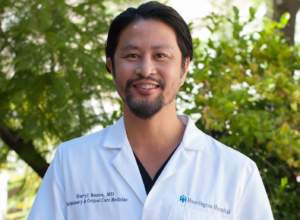
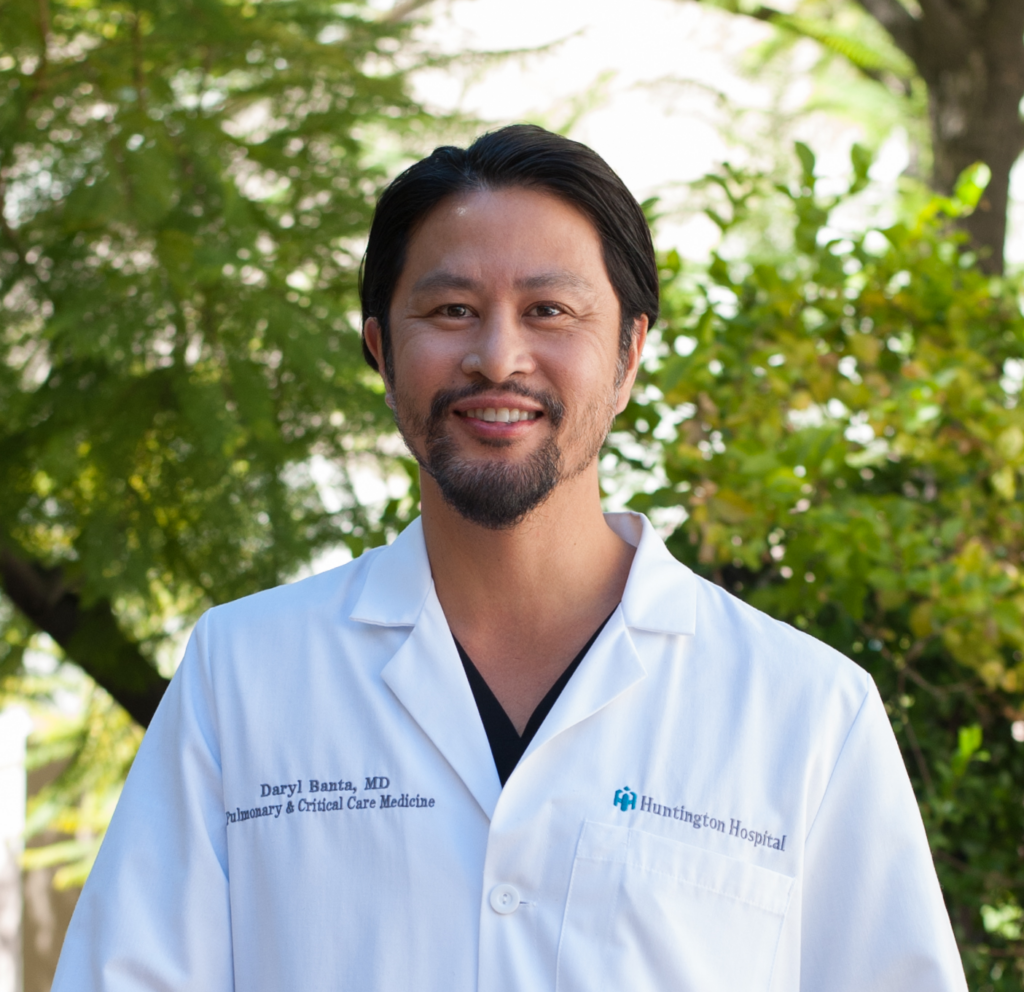
Daryl Banta headshot
Daryl Banta, MD, Medical Director of Pulmonology and Critical Care

Between COVID-19 and the recent fires, lung health has never been more important. We recently sat down with our Medical Director of Pulmonology, Daryl Banta, MD to talk to us about how to care for our lungs during this challenging time.

1. Can you talk a little bit about COVID-19 and lung health, understanding that the people with lung diseases are especially vulnerable?

As a pulmonologist and critical care specialist, I have seen firsthand how devastating COVID-19 can be to those with chronic medical problems such as COPD, obesity, renal failure, cancer and immunocompromised state. Most infected with COVID-19 have mild symptoms: fever, cough, sore throat, shortness of breath and fatigue. Unfortunately, some may develop serious illness and may require hospitalization. We know that the novel coronavirus targets the lungs and can cause severe pneumonia, decreased oxygen levels in the body and respiratory failure. In extreme circumstances, COVID-19 infections can lead to prolonged mechanical ventilation, organ failure and even death.   

The medical community has learned a great deal about COVID-19 since the outset of the pandemic. We know that at-risk populations (the elderly, underserved African-American and Latino communities, and those with poor access to medical care) are especially vulnerable. We also understand that COVID-19 can be transmitted by those infected with COVID-19 who are asymptomatic (especially the young and healthy). This is why it is so important for everyone to continue to practice social distancing, good hand hygiene and mask-wearing.

2. Can you offer advice that you share with your patients with COPD right now?

COPD is a chronic illness that affects the lungs. As mentioned, those with COPD are at risk to develop serious illness if infected with COVID-19. Those with COPD are also susceptible to worsening of their breathing as a result of exposure to smoke, air pollution or other lung infections. 

3. With the recent fires, can you talk about how smoke and poor air quality is affecting your patients? Are you seeing more patients due to the smoke? Are your asthma patients presenting with more serious conditions?

Inhalation of smoke from wildfires is dangerous and should be avoided. Smoke and poor air quality are particularly detrimental to those with asthma, COPD and heart conditions. Those living in Southern California are familiar with how bad air quality used to be in Los Angeles. These poor air quality conditions are worsened with the burning of wood and other organic matter. A toxic and complex mixture of liquid droplets, fine particles and gases is produced by fires. The polluted air and smoke can enter our respiratory system and cause symptoms. As brush fires and smoke in the air have increased, more people are visiting their primary physicians, pulmonologists, urgent care facilities and emergency rooms. They report scratchy throat, watery eyes, runny nose, difficulty breathing, cough and chest discomfort.

Interestingly, the recent fires have had the positive effect of keeping people at home and away from public outdoor venues. With less people interacting with each other, less people are transmitting COVID-19 or other respiratory illnesses to one another.

Wearing masks also has the double effect of protection from COVID-19 and smoke inhalation. If outdoor activities are essential during particularly smoky or poor air conditions, an N95 mask with proper fitting is recommended.

Here is some basic advice related to smoke exposure from local fires:

  • Stay indoors. Close your windows and doors, and turn on your air conditioner (if you have one). Make sure you keep the fresh air intake closed, and change your air filter if it has not been changed recently. You don’t want to let any outside smoke enter your home. When you are indoors, try not to increase the amount of smoke inside the house. Don’t use any wood-burning fireplaces, try not to use any candles, and do not smoke cigarettes indoors.
  • Measure air quality. Most smart phones have weather apps that can determine the Air Quality Index (AQI). You can also visit https://www.iqair.com/us/usa/california/los-angeles to determine AQI. The AQI measures the level of air pollution. It is scored from 0 to 500. The higher the number, the worse the air quality. An AQI of 101 or greater is unhealthy for sensitive groups. Even if you don’t know the AQI, use common sense. If you see smoke, or it smells smoky, it is not a good time to go outdoors.
  • Organize a fire safety plan. In case you have to evacuate your home, create a fire safety plan. Gather everyone in your household, walk them through the house, and let them know the exits and escape routes. Those with children should consider drawing a floor plan and marking the location of smoke alarms and exits. Determine an outside emergency meeting place (e.g., a neighbor’s house) in case someone gets lost.
  • Keep emergency phone numbers handy. Memorize important phone numbers (e.g., the fire department’s and personal emergency contacts’). This is especially important if you lose your smart phone and contact list.
  • Get early medical attention. If you experience severe cough, shortness of breath, fatigue, chest pain, dizziness or confusion after smoke exposure, seek immediate medical attention. Symptoms may worsen over time depending on the amount of exposure. Most physicians are available in their offices or via telemedicine. If your symptoms are severe enough, do not hesitate to go to your local urgent care or emergency room.

4. What can people do to maintain lung health during this incredibly challenging time?

I advise my patients to continue to remain strong. These are challenging and unprecedented times. With the ongoing global coronavirus pandemic, it seems that we are even more unlucky as we deal with local fires that bring smoke and poor air quality. I have told my patients to not lose hope. We have improved our techniques with treating COVID-19. Hospitalizations and death rates are declining. The scientific community is working hard to find a vaccine for the virus. All our efforts to mitigate further spread of the disease seem to be working.  

Here are some other tips I give my patients (the AEIOUsof lung health):

A: Avoid unhealthy air and smoke.

E: Eat a balanced and healthy diet. Vitamin C, vitamin D and zinc can supplement your diet and boost your immune system to deal with infections. 

I: Increase exercise daily. Increasing muscle tone can improve respiratory strength and exercise tolerance. Try walking 30 minutes a day to improve cardiovascular conditioning.  Try yoga, stretching and deep breathing exercises to prevent shortness of breath.

O: Obtain an annual flu shot and pneumonia vaccine if needed.

U: Use prescription medicines as directed. If you do not know how to use your medications, ask your physician.

Doc Talk: Breast Health and Mammograms

Doc Talk: Breast Health and Mammograms
Lakshmi Tegulapalle, DO
Lakshmi Tegulapalle, DO, Medical Director of the Breast Imaging Program, Jim & Eleanor Randall Breast Center

October is Breast Cancer Awareness Month! We sat down with the Jim & Eleanor Randall Breast Center’s Lakshmi Tegulapalle, DO, Medical Director of the Breast Imaging Programfor the latest information about mammograms and the importance of breast health (even during COVID-19).

1. Let’s begin with your most frequently asked question, what protocols are in place at your facility to help protect your patients from COVID-19 at your Facility?

During the COVID-19 pandemic there has been a 62% decrease in screening mammograms across the country and a 52% decrease in breast cancer diagnosis. Cancer has not disappeared; it’s silently growing. We may see an increase in diagnosis of later stage cancers in the coming months. We don’t want to scare women, but we strongly encourage a return to normal screening routines.

Our imaging centers diligently follow CDC and California Health Department guidelines:

 Requiring everyone (staff and patients) to wear masks.

 Social distancing, including spacing out our patient appointments and not allowing walk-in patients.

 Requiring everyone (staff and patients) to be screened for symptoms and fever prior to their appointment or workday. This includes taking temperatures before entering the facility.

 Increased cleaning routines and sanitizer stations.

2. When should I have my first mammogram? And how often should I have one?

At age 40 women with normal risk factors should begin coming in every year for a screening mammogram. Women with a family history or other risk factors should talk with their doctor about what screening regimen works best for them. Bottom line: mammography is effective at reducing breast cancer deaths.

3. If I don’t have a history of breast cancer in my family, do I really still need to start at 40 and/or go annually?

Yes! More than 75% of women who develop breast cancer have no family history of the disease. As we age, our chances of developing breast cancer increase. Annual mammography at age 40 saves lives by about 40%. When cancer is diagnosed at an early stage, the 5-year survival rate is 99%.

4. How do I know if I’m at a higher risk, and if I am, then when should I go and how often?

Discuss your and your family’s health history with your physician. At-risk women should consider starting annual screening mammograms before the age of 40 and possibly supplement with a breast MRI and/or Breast Ultrasound.  Risk factors include: 

 Family history of breast and/or ovarian cancer, especially in first- or second-degree relatives.

 Personal history of breast cancer.

 Personal or family history of certain genetic mutations, including BRCA1 and BRCA2.

 History of chest radiation therapy under age 30, for example lymphoma treatment.

 History of certain “high-risk” lesions on breast biopsy. 

5. If I do have cancer, how likely is it that it will be detected by a mammogram? 

No cancer screen is perfect, but mammograms remain the gold standard for detecting breast cancer at an earlier, more treatable stage. Technology continues to improve. 3D Mammography (tomosynthesis) allows doctors to view breast tissue in slices, improving cancer detection while lowering the need for additional tests. Finally, please remember to regularly self-examine and call your doctor if you notice anything abnormal.

6. What does breast density mean and how can that impact mammograms and breast health?

The more dense your breasts are, the more risk you have. Breasts are made of two types of issue: glandular and fatty. More glandular tissue, more likely your breasts are considered dense. The size of breasts doesn’t determine density. Additional screening exams may be better for women with dense breasts. Please talk with your doctor. Together you can decide which exams are right for you.

Today women wear more hats than ever: working, monitoring at-home learning, attending to an always-bustling home, managing the family’s health and safety. Amidst it all, we hope women take the time to prioritize self-care. It can feel like there’s never enough time, but your health and well-being matter. Please call and we will do whatever we can to work with your busy schedule.

For a full list of our COVID-19 protocols, please visit our web site at https://hillmedical.com/locations/jim-eleanor-randall-breast-center/

Huntington Hospital Named America’s 100 Best for Cardiac Care and Coronary Intervention by Healthgrades

Huntington Hospital Named America’s 100 Best for Cardiac Care and Coronary Intervention by Healthgrades

Huntington Hospital is one of America’s 100 Best Hospitals for cardiac care and coronary intervention according to new research released by Healthgrades, the leading resource that connects consumers, physicians and health systems. Every year, Healthgrades evaluates hospital performance at nearly 4,500 hospitals nationwide for 32 of the most common inpatient procedures and conditions using Medicare data, and outcomes in appendectomy and bariatric surgery using all-payer data provided by 16 states.

“Now more than ever, consumers understand the importance of hospital quality and starting to become more diligent when researching where they receive care,” said Brad Bowman, MD, Chief Medical Officer, Healthgrades. “When selecting a hospital, consumers can feel confident in the America’s 100 Best Hospitals for cardiology for their commitment to quality care and exceptional outcomes.”

Huntington Hospital is currently expanding its care capabilities with its new Huntington Heart and Vascular Center, creating state-of-the-art facilities to provide cutting-edge, compassionate care to our cardiology patients. The new facility is set to open late 2020.

“I’m so proud our hospital has been named one of Healthgrades America’s 100 Best for Cardiac Care and Coronary Intervention, now for the second year in a row,” said Lori J. Morgan, MD, MBA, President and CEO, Huntington Hospital. “These designations are a testament to the world-class care our entire cardiovascular services team offers our patients.”

“While the pandemic continues, our number one priority is caring for our community,” shares Azhil (Alex) Durairaj, MD, medical director, cardiovascular services, Huntington Hospital. “Our cardiovascular team works hard every day to provide excellent and safe care to our patients. Heart disease impacts so many of our friends and family members. I encourage you to make your physical and mental well-being your first priority during this challenging time – please see your doctor and don’t delay the vital care you need.”

Huntington Hospital was also recognized by Healthgrades for the following clinical achievements:

  • Recipient of the Healthgrades Cardiac Care Excellence Award™ for 2 Years in a Row (2020-2021)
  • Recipient of the Healthgrades Coronary Intervention Excellence Award™ for 2 Years in a Row (2020-2021)
  • Named Among the Top 5% in the Nation for Overall Cardiac Services for 2 Years in a Row (2020-2021)
  • Named Among the Top 5% in the Nation for Cardiology Services in 2021
  • Named Among the Top 5% in the Nation for Coronary Interventional Procedures for 2 Years in a Row (2020-2021)
  • Named Among the Top 10% in the Nation for Cardiology Services for 2 Years in a Row (2020-2021)
  • Five-Star Recipient for Valve Surgery for 2 Years in a Row (2020-2021)
  • Five-Star Recipient for Coronary Interventional Procedures for 3 Years in a Row (2019-2021)
  • Five-Star Recipient for Treatment of Heart Attack for 2 Years in a Row (2020-2021)
  • Five-Star Recipient for Treatment of Heart Failure for 4 Years in a Row (2018-2021)

For its analysis, Healthgrades evaluated approximately 45 million Medicare inpatient records for nearly 4,500 short-term acute care hospitals nationwide to assess hospital performance in 32 common conditions and procedures and evaluated outcomes in appendectomy and bariatric surgery using all-payer data provided by 16 states.

Healthgrades recognizes a hospital’s quality achievements for cohort-specific performance, specialty area performance, and overall clinical quality. Individual procedure or condition cohorts are designated as 5-star (statistically significantly better than expected), 3-star (not statistically different from expected), and 1-star (statistically significantly worse than expected).

Find a cardiologist or cardiac surgeon at Huntington Hospital for your cardiac needs.