Here for a Healthier Community

Huntington Hospital is nationally recognized for its commitment to providing high-quality stroke care

Huntington Hospital is nationally recognized for its commitment to providing high-quality stroke care

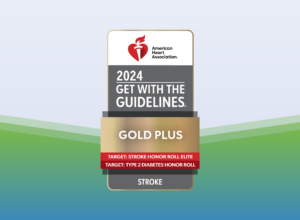
Huntington Hospital has received the American Heart Association’s Get With The Guidelines® – Stroke Gold Plus quality achievement award for its commitment to ensuring stroke patients receive the most appropriate treatment. Get With The Guidelines puts the expertise of the American Heart Association and American Stroke Association to work for hospitals nationwide, helping ensure patient care is aligned with nationally recognized, research-based guidelines, which leads to more lives saved and reduced disability.

“Once again, we are proud to be recognized for stroke care by the American Heart Association,” said Arbi Ohanian, MD, medical director of the comprehensive stroke program at Huntington Hospital.  “Huntington Hospital provides safe, lifesaving care for hundreds of stroke patients, every year. AHA’s Get With The Guidelines program allows us to quickly treat patients with quality, higher-level interventions and makes it easier for our dedicated team to put proven knowledge and guidelines to work on a daily basis, which studies show can help patients recover better. The end goal is to ensure more people in the San Gabriel Valley can experience longer, healthier lives.”

Stroke is the No. 5 cause of death and a leading cause of disability in the U.S. Early stroke detection and treatment are key to improving survival, minimizing disability and accelerating recovery times. Each year, program participants qualify for the award by demonstrating how their organization is committed to providing quality care for stroke patients and improving stroke care by consistently adhering to the guidelines, which can minimize the long-term effects of a stroke and even prevent death.

Huntington also received the American Heart Association’s Target: StrokeSM Elite Honor Roll award for meeting specific criteria that reduce the time between an eligible patient’s arrival at the hospital and treatment with thrombolytic therapy.

Additionally, Huntington received the American Heart Association’s Target: Type 2 Diabetes™ Honor Roll award, which aims to ensure patients with Type 2 diabetes receive the most up-to-date, evidence-based care when hospitalized due to stroke.

“We are incredibly pleased to recognize Huntington Hospital for its commitment to caring for patients with stroke,” said Steven Messe, MD, volunteer chairperson of the American Heart Association Stroke System of Care Advisory Group and professor of neurology and director of fellowships of neurology at the Hospital of the University of Pennsylvania. “Participation in Get With The Guidelines is associated with improved patient outcomes, fewer readmissions and lower mortality rates – a win for health care systems, families and communities.”

To read more about stroke care and prevention, go to: At risk for stroke? Here’s what you need to know. | Huntington Hospital (huntingtonhealth.org)


Huntington Health to offer free flu shots throughout the San Gabriel Valley in September and October 

Huntington Health to offer free flu shots throughout the San Gabriel Valley in September and October 

Once again, Huntington Health is pleased to offer free flu shots at various locations throughout Altadena, Pasadena, San Marino and South Pasadena in the coming months.  

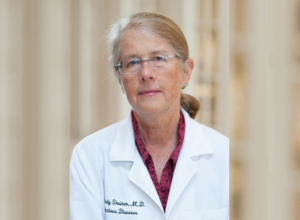
“We are heading into the beginning of flu season,” said Kimberly Shriner, MD, medical director of infection prevention and control, Huntington Health. “Our recommendation is that our community receives their flu vaccine before the end of October* to provide ample protection through the winter months. While all respiratory viruses can be severe, vaccinations provide lifesaving protections, especially among vulnerable populations.” 

Huntington will offer free flu vaccines at the dates/locations below: 

September 22, 9 a.m. – 12 p.m. Pasadena Presbyterian Church 585 E. Colorado Blvd., Pasadena 

September 22, 9 – 11 a.m. Community Church (Dream Church) 1305 E. Colorado Blvd., Pasadena 

September 26, 9 – 11 a.m. South Pasadena Senior Center 1102 Oxley St., South Pasadena 

September 28, 8 – 11 a.m. Victory Park Farmer’s Market 2901 E. Sierra Madre Blvd., Pasadena 

September 29, 9 – 11 a.m. Paz Naz (First Church of Nazarene) 3700 E. Sierra Madre Blvd., Pasadena 

October 3, 10 a.m. – 12 p.m. Crowell Public Library 1890 Huntington Dr., San Marino 

October 4, 9 – 11 a.m. NDLON – Pasadena Job Center 500 N. Lake Ave., Pasadena 

October 5, 11 a.m. – 1 p.m. Latino Heritage Parade Pasadena City Hall, 100 N. Garfield Ave., Pasadena 

October 6, 9:30 – 11:30 a.m. Light of Love Mission Church 2801 E. Colorado Blvd., Pasadena 

October 8, 9 – 11 a.m. Friends In Deed 444 E. Washington Blvd., Pasadena 

October 8, 11 a.m. – 1 p.m. Huntington Hospital – Cafeteria 100 W. California Blvd., Pasadena 

October 10, 7:15 – 9:15 a.m. St. Philip the Apostle School/Church 1363 Cordova St., Pasadena 

October 14, 10 a.m. – 12 p.m. Altadena Library 600 E. Mariposa St., Pasadena 

October 15, 9 – 11 a.m. Villa Parke Farmer’s Market 363 E. Villa St., Pasadena 

October 16, 10 a.m. – 12 p.m. Hastings Branch Public Library 3325 E. Orange Grove Blvd., Pasadena 

October 17, 4 – 6 p.m. South Pasadena Farmer’s Market 905 Meridian Ave., South Pasadena 

October 20, 9 – 11 a.m. St. Elizabeth Parish School 1840 N. Lake Ave., Altadena 

October 22, 4 – 6 p.m. Huntington Hospital Emergency Department  Fairmount Entrance, near emergency room 

October 27, 11 a.m. – 1 p.m. First United Methodist Church of Pasadena 500 E. Colorado Blvd., Pasadena 

Flu vaccine requirements: 

• At least 18-years-old, or giving consent for your child, ages 9-17 years 

• No allergy to eggs or the influenza vaccine 

• No history of Guillain-Barré syndrome 

• Do not have a suspected or confirmed COVID-19 infection 

• Do not have any COVID-19 or flu-like symptoms. 

There is a limited supply of vaccines for each clinic. All sites listed are open to the public. No reservations or appointments are needed and insurance isn’t required. Standard dose will be provided, not the high dose, which is recommended for persons 65+. 

For a listing of free flu clinics and for more information about the flu, please go to: www.huntingtonhealth.org/flu

*CDC recommendations 

Dengue Fever Lands in LA: How Global Warming Is Affecting Health

Dengue Fever Lands in LA: How Global Warming Is Affecting Health

Ankle-biting mosquitos that can spread dengue fever are now more common in the Los Angeles area partly due to climate change, say Cedars-Sinai infectious disease experts. Photo by Getty.

New Cases of Mosquito-Spread Dengue Fever Highlight Local Effects of Climate Change

Amid Southern California’s recent record-breaking heat wave and fast-moving wildfires,  public health officials reported the third locally-acquired case of dengue fever in the Los Angeles area. Although the events seem unrelated, they actually are connected—and for troubling reasons.

That’s because global warming causes temperatures to rise which, in turn, expands the reach of insects carrying infectious diseases. Species of mosquitoes that thrive in warmer environments are finding newly hospitable homes in places where the climate is warming and the summer heat lingers longer. As a result, physicians in once mild parts of the U.S. are seeing increasing cases of mosquito-borne diseases such as Zika virus, West Nile virus and now dengue fever.

Kimberly Shriner, MD

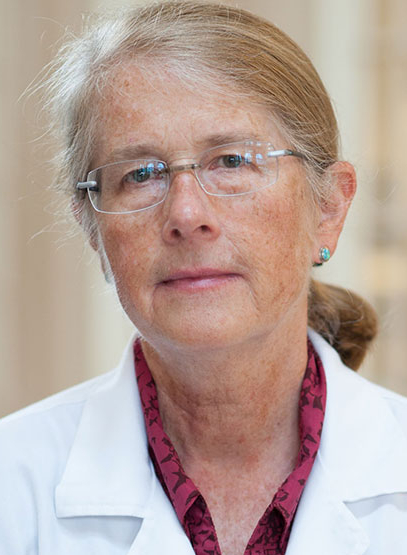
“Warmer weather means warmer pools of standing water, a friendlier environment for breeding mosquitos, especially without very cold winters to kill off the eggs,” said Kimberly Shriner, MD, medical director of Infection Prevention and Control at Huntington Health, a Cedars-Sinai affiliate. “There is no question that we’re seeing more Aedes mosquitos—the species that carries dengue—because of hotter temperatures.”

Another cause: people are traveling more widely and frequently, said Michael Ben-Aderet, MD, associate medical director of Hospital Epidemiology at Cedars-Sinai. He explained that this increases the odds that a traveler returns home with an mosquito-borne infectious disease, gets bit by one of the many Aedes mosquitos now thriving in Southern California, and that bug carries that disease to someone else.

“Dengue is well known in tropical places like South America, Central America and Puerto Rico,” Ben-Aderet said. “We’ve always had cases in Los Angeles associated with travel, but now we’re seeing dengue patients who didn’t travel—they never left Los Angeles. They were bit by a mosquito locally, which means there likely are other mosquitos with dengue that we haven’t found because we’re not testing for it a lot and many people who get dengue don’t get very sick.”

He added that Southern California is a perfect environment for dengue transmission. “We have mosquitos, a big population and people have been travelling more this year than ever before,” he said.

Bone-Break Fever

The Aedes mosquitos that can spread dengue, as well as Zika and West Nile viruses, started showing up in Southern California about a dozen years ago. While most people are familiar with the ankle-biting tendency of these mosquitos and the proliferation of West Nile virus, they’re likely less aware of dengue and the disease’s symptoms.

Michael Ben-Aderet, MD

Dengue can cause a wide range of symptoms from none at all to very severe, Ben-Aderet said. It  starts with a high fever and severe muscle pain, giving it the nickname “break-bone fever.”  Dengue often appears with a diffuse red rash that blanches, turning white or the color of one’s skin after pressing on the rash and releasing pressure. Patients can also experience gastrointestinal symptoms like nausea.

The second time someone gets dengue, it can be much worse, said Shriner, who has treated patients with disease during annual medical mission trips to Tanzania with a nonprofit that provides clinical care and medical education. Dengue is a hemorrhagic fever, like the Ebola virus, that can cause bleeding—in this case bruises bloom under the skin from “leaky” blood vessels.

For mild cases, treatment is supportive care: fluids, rest and Tylenol. More severe cases might need intensive care in a hospital. Highly specialized vaccines exist, but they’re primarily intended to help children avoid a dangerous second infection in places like the Philippines where the disease is endemic.

Canary in the Coalmine

For local physicians, the spread of tropical diseases in once milder climates means they must think more broadly when diagnosing a sick patient.

“Whenever I see a patient in today’s world, I need to keep a very open mind about what they might have,” Ben-Aderet said. He added that the sporadic dengue infections we’ve seen from area mosquitos indicate we don’t yet have a “reservoir,” a sustained source of infections to make dengue endemic to Los Angeles. But it could happen in the not-too-distant future, he said.

Shriner emphasized that she doesn’t want people to panic. “We should be worried more about COVID-19 and the flu,” she said.

Still, she cautioned that smaller, novel outbreaks—like the emergence of dengue in Los Angeles—are “canaries in the coalmine” sending a message that we need to pay attention.  

“We live in an interconnected world with a fragile climate that is changing,” Shriner said. “We want to approach this scientifically, compassionately and with humanity. This is why curing diseases like malaria in Africa will help us all too.”

Read more on the Cedars-Sinai Blog: Everything You Need to Know About Bug Bites

Cedars-Sinai Named Official Medical Provider for Los Angeles 2028 Olympic and Paralympic Games

Cedars-Sinai Named Official Medical Provider for Los Angeles 2028 Olympic and Paralympic Games

Cedars-Sinai Will Provide Medical Services and Clinics at LA28 Games, and Is Caring for Team USA Athletes Through Affiliation With U.S. Olympic & Paralympic Medical Network

Cedars-Sinai today announced a partnership with the LA28 Olympic and Paralympic Games to serve as the Official Medical Provider for the 2028 Games, providing the highest-quality care for athletes, coaches, team personnel and visitors who travel across the world for the competitions in Los Angeles.

Cedars-Sinai will be a critical resource and medical adviser to LA28 in establishing medical services in the Olympic and Paralympic village and at sporting venues for the 2028 Olympic and Paralympic Games. Cedars-Sinai is also a member of the U.S. Olympic & Paralympic Medical Network, supporting medical treatment of athletes as they prepare to compete in national and international competitions leading up to the 2028 Games.

These partnerships underscore Cedars-Sinai’s commitment to the health and wellbeing of Angelenos and the athletes and visitors globally who will benefit from world-class care at one of the premier academic medical centers in the U.S.

“We’ve been training for this,” said Thomas M. Priselac, president and CEO of Cedars-Sinai. “Team USA’s pursuit of greatness drives them to never stop pushing what’s possible. Cedars-Sinai’s team shares this pursuit of greatness and is continuously expanding the boundaries of what’s possible for our patients and community.”

As one of the leading medical providers in the country with more than 200 locations in Southern California, Cedars-Sinai is at the forefront of innovation in clinical care and medical research, combining expertise in orthopedics, cardiology and numerous other specialties with the most advanced facilities and technology to keep athletes healthy as they compete.

“Cedars-Sinai has been a cornerstone of the Los Angeles community for more than 120 years. LA28 is already creating a legacy driving community benefit, and we don’t need to wait until 2028 to make an impact,” said Chris Pepe, chief commercial officer at United States Olympic and Paralympic Properties and LA28. “This partnership will enhance our collective efforts to drive progress, reimagining the way the Olympic and Paralympic Games serve the world. We have a unique opportunity together to have everyone be a part of the LA28 story.”

Cedars-Sinai is one of nine medical institutions in the U.S. Olympic & Paralympic Medical Network and has already begun offering care for Team USA athletes. Cedars-Sinai is the exclusive provider in Los Angeles and surrounding areas of Southern California.

“Cedars-Sinai brings remarkable healthcare skill and knowledge to Team USA athletes as they train and compete,” said Jonathan Finnoff, DO, chief medical officer of the U.S. Olympic & Paralympic Committee (USOPC). “As a member of the USOPC’s Medical Network, Cedars-Sinai offers critical support to Team USA athletes, elevating the quality of care we offer to our athletes, and we look forward to continuing this partnership on the road to LA28.”  

Cedars-Sinai is excited to be gearing up for the 2028 Games.

“Athletes push the boundaries of human potential, breaking records and setting new standards,” said Priselac of Cedars-Sinai. “Similarly, our Cedars-Sinai team leads in medical innovation, constantly advancing the field. Just like Olympic athletes, our Cedars-Sinai staff are dedicating themselves to serve our community and our country as the Games come to Los Angeles.”

About Cedars-Sinai

Cedars-Sinai is a leader in providing high-quality healthcare encompassing primary care, specialized medicine and research. Since 1902, Cedars-Sinai has evolved to meet the needs of one of the most diverse regions in the nation, setting standards in quality and innovative patient care, research, teaching and community service. Today, Cedars-Sinai is known for its national leadership in transforming healthcare for the benefit of patients and in developing new approaches to treatment and educating tomorrow’s health professionals. Cedars-Sinai serves as the official health partner for the Los Angeles Rams and the Angel City Football Club and treats professional and elite athletes throughout the world to ensure they perform at the highest levels. Additionally, Cedars-Sinai demonstrates a commitment to the community through programs that improve the health of its most vulnerable residents.

About LA28 Olympic and Paralympic Games

The LA28 Games will mark Los Angeles’ third time hosting the Olympic Games, previously hosted in 1984 and 1932, and first time to host the Paralympic Games. Los Angeles will host the world’s most elite athletes in 2028 as it welcomes Paralympians and Olympians from around the world to compete on the biggest stage in sports. The LA28 Games are independently operated by a privately funded, nonprofit organization, with revenue from corporate partners, licensing agreements, hospitality and ticketing programs and a significant contribution from the International Olympic Committee. For more information, visit LA28.org.

Legends, a global premium company, helped source the partnership between Cedars-Sinai and LA28.

About Team USA

Team USA is the world’s largest and most diverse team of athletes from across the United States who compete at the Olympic, Paralympic, Youth Olympic, Pan American and Parapan American Games. The United States Olympic and Paralympic Committee, founded in 1894, serves as the National Olympic Committee and National Paralympic Committee for the United States and is responsible for protecting, supporting and empowering Team USA athletes. For more information, visit TeamUSA.org.

Huntington Health Affiliation Celebrates Third Year

Huntington Health Affiliation Celebrates Third Year

Recently passing its third year of affiliation with Cedars-Sinai Health System, Huntington Health continues to improve patient care through an expanded network of specialists and resources that leverage leading-edge technology, while also creating new opportunities for collaboration throughout the health system.

Technology

A new electronic health record, CS-Link, was introduced and has enhanced clinical connectedness and allowed patients to engage with their health journey. With CS-Link, Huntington now has a unified revenue cycle function, integrating Huntington Health, Cedars-Sinai Medical Center and Cedars-Sinai Medical Network into one revenue cycle process.  

Additionally, to streamline support for patients, employees, and physicians, Huntington began sharing Cedars-Sinai’s Enterprise Information Services (EIS) department. EIS provides systems, applications and device support around the clock.

Clinical Growth

Through affiliation, Huntington Health and Cedars-Sinai have built a network of specialists based in the San Gabriel Valley.

These specialty care programs have been established or have seen exceptional growth in the past three years:

New Epilepsy Monitoring Unit—Patients with uncontrolled epilepsy can now be evaluated at Huntington’s unit, which is equipped with cameras and bedside electroencephalogram (EEG) monitoring to track seizure activity. Patients can also receive MRI, PET and other imaging studies and neurocognitive, memory and language testing at the unit.

Huntington Cancer Center, an affiliate of Cedars-Sinai Cancer—Enhanced to include new oncology specialists and services that benefit local patients, such as an onsite infusion center and direct access to the Cedars-Sinai Cancer clinical trial network.

The Cardiac, Vascular and Thoracic Surgery Program—Developed to give patients access to surgical teams for complex cardiac, thoracic and vascular surgeries.

Fair Oaks Women’s HealthOne of the largest, longstanding obstetrical and gynecological practices in the San Gabriel Valley, officially joined the health system in the spring of 2023. The specialists offer obstetric expertise ranging from routine prenatal care to high-risk pregnancy.

Colorectal Surgery—A new program launched in March 2024 and offers surgical treatment of colorectal cancer, diverticulitis, hemorrhoids, colorectal cancer and other conditions affecting the lower digestive tract.

EndocrinologyNow available at Huntington Health Physicians (HHP) specialty offices, several endocrinologists have joined the team to deliver exceptional care for hormone disorders, including diabetes and adrenal.

Otolaryngology (ENT)Cedars-Sinai’s nationally recognized otolaryngology program has opened an office in Pasadena to provide a full spectrum of care for patients with conditions affecting the ears, nose and throat. This team offers treatment in rhinology and sinus disease, otolaryngology, laryngology and endocrine surgery, and pediatric otolaryngology services.

Rheumatology—Another addition to the HHP specialty offices includes rheumatologists who diagnose and treat autoimmune and inflammatory disorders.

Huntington Health’s affiliation with Cedars-Sinai helps deliver our promise to provide expert care, close to home. We celebrate three years, and the progress made to meet the evolving needs of our community today and for generations to come.   

New study shows promising drug for HIV prevention

New study shows promising drug for HIV prevention

Kimberly Shriner, MD, FACP, medical director of infection prevention and control, Huntington Health, recently spoke on AirTalk about a breakthrough in HIV prevention. Lenacapavir, an antiretroviral medication used to treat HIV/AIDS, has been shown to prevent HIV in young women and girls. (Drug trials are also underway for men and gender-diverse individuals.) Because the drug is highly potent, it can be injected just twice a year.

That’s great news, especially for countries in sub-Saharan Africa, where girls and women accounted for 62% of all new HIV infections in 2023.[1] Lenacapavir might just be the way to harness the disease there and globally. “When you control HIV, you also prevent individuals from being infectious and transmitting disease to other people,” Dr. Shriner explained.

One challenge, however, is giving these countries access to the drug. Because of the high cost of pharmaceuticals, these countries are dependent on global AIDS outreach (e.g., the World Health Organization) to provide the medication. “We all have to join forces to try to overcome some of the economic obstacles that stand in the way of care for everyone,” Dr. Shriner said.

Also on the show, Moupali Das, MD, executive director, HIV Clinical Development at Gilead Sciences, research-based pharmaceutical company and maker of Lenacapavir, explained how Gilead is addressing these high costs (Lenacapavir can cost up to $42,000 per patient per year for HIV treatment). She said that Gilead offers tiered pricing for non-commercial markets like sub-Saharan Africa where people receive drugs through government programs, helping make the drug accessible to people in these regions.

Another challenge is getting people to test for HIV. “The most important thing is for people to be tested,” Dr. Shriner emphasized. “Sometimes people don’t know that they’re infected, so they haven’t had access to medications to control their disease and prevent transmission.”

Despite the challenges, Dr. Shriner is optimistic: “I’m hopeful that we’re going to make some significant advances in antiviral therapy for all kinds of diseases in large part due to the commitment of pharmaceutical companies, patients, clinicians and countries to the HIV pandemic.”    

To listen to the full discussion, go to AirTalk: A new study offers a breakthrough in HIV prevention.

[1] Global HIV & AIDS statistics — Fact sheet, UNAIDS website.


[1] Global HIV & AIDS statistics — Fact sheet, UNAIDS website.

Huntington Health launches Patient Family Advisory Council to amplify patient voices 

Huntington Health launches Patient Family Advisory Council to amplify patient voices 

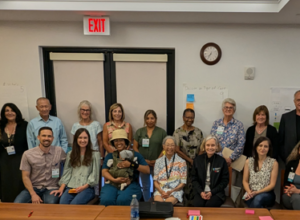
In July, Huntington Health proudly launched its Patient Family Advisory Council (PFAC). The inaugural event brought together a diverse group of patients, family members, caregivers and health care providers who are committed to collaborating and improving patient care. This initiative marks a significant step forward in Huntington’s mission to prioritize patient-centered care by providing a platform to actively listen to our patients and their families. Recognizing their experiences is vital to continuously enhancing the quality of care we provide. 
 
“We are thrilled to launch our new Patient Family Advisory Council,” said Debbie Jackson, associate director, patient experience, Huntington Health. “It will be instrumental in bringing the patient and family perspective to the forefront of our decision-making. Their insights will be invaluable as we work to improve the overall patient experience and create a health care environment centered around the needs of those we serve.” 

The council members are former patients and family members served by Huntington Health, Huntington leadership and members of the patient experience team. They will meet regularly to discuss various aspects of patient care. Through open dialogue and partnership with health care professionals, the PFAC will identify areas for improvement and implement patient-centric solutions. 

In keeping with Huntington’s dedication to continuous improvement and excellence in health care, the PFAC promises to elevate the standard of care and enhance the overall patient experience. 

For more information about the PFAC, go to: Patient and Family Advisory Council (PFAC) | Huntington Hospital (huntingtonhealth.org)
Especially for caregivers: Caregiving plan B.

Especially for caregivers: Caregiving plan B.

If you’re a caregiver, you may have wondered what would happen to your loved one if you became unable to provide care. What would you do if you suddenly got sick or if you had an accident? It’s unpleasant to think about, but creating a plan B can make your sudden absence, or need for additional support, a smoother transition. It can also bring you peace of mind. Read on to learn about what to consider when creating a contingency caregiving plan.

Rely on your team.

Build a support system before an emergency happens. Caregiving works best when friends or family members can pitch in, so the burden isn’t solely on your shoulders. Start by creating a list of tasks others you trust can assist you with, like buying groceries or picking up prescriptions. If they’re comfortable doing more, ask about what specific help they can offer if something were to happen to you.

Make your plan B official.

Review financial documents, insurance forms, living wills and other official documents. Make sure your loved one has a designated power of attorney, health care proxy or conservator. If you’re that person, work to update your loved one’s paperwork to list someone else who can take over your duties in an emergency. Also, make sure others on your trusted caregiving team have access to important online accounts and passwords.

Stay organized.

Important documents should be stored in a specific location. Create a folder or binder that also includes essential information like phone numbers of family members and doctors, medication lists, daily routines and preferences such as food likes/dislikes. Keep this information in your kitchen or other central location — and create a secure digital copy.

Take care of yourself.

It’s easy to neglect yourself when caring for others. But this can worsen existing health problems or lead to burnout (or both). To maintain good health, try your best to eat a healthy diet, get enough sleep and exercise regularly. Don’t have time for an hour workout? Take the stairs, go on a 20-minute brisk walk or take a free online yoga class. Practice wellness through a relaxing evening routine such as taking a warm bath, reading a book, meditating, listening to music, knitting — anything that quiets your mind. Finally, don’t put off preventive care and screenings, like your annual physical, colonoscopy, mammogram and flu shot. Your health is worth it — for both you and your loved one.

Sources: AARP and CDC.

—————————————————————————————————————————–

Are you a family caregiver? Senior Care Network (SCN) offers professional assistance; referrals to important resources; and support and educational groups specifically designed for family caregivers, including our Powerful Tools for Caregivers class. For more information, call SCN at (626) 397-3110 or (800) 664-4664 or email us at [email protected]. See also Calendar of Events for information about Powerful Tools for Caregivers.

On the younger side: reducing your risk of dementia.

On the younger side: reducing your risk of dementia.

Dementia is a topic that has been studied extensively, and new studies continue to shine a light on the condition. Scientists now believe there isn’t a single cause of Alzheimer’s disease and related dementias. It likely develops from multiple factors, such as age, family history and heredity. While these are risk factors we can’t change, we may be able to influence some through lifestyle modifications.

Some risk factors include:

• Smoking cigarettes.

• Not getting enough aerobic physical activity.

• Excessive alcohol use or binge drinking.

• Being significantly overweight.

• High blood pressure.

• Diabetes.

• Being clinically depressed.

• Hearing loss.

The good news is that these risk factors can be addressed through lifestyle changes. It’s well worth it: Exciting new research now shows that nearly 40% of all Alzheimer’s disease and related dementias may be able to be prevented or delayed. It’s never too late to break old habits and start new ones to help reduce your risk.

Here are some things you can do:

Get active. Aim for at least 20 minutes of aerobic exercise a day, seven days a week. Don’t worry, brisk walking counts! Adding light resistance or strength training can do even more to protect your health. Exercise can help you maintain or lose weight, which contributes to good health now and as you age.

Protect your heart. Some of the strongest evidence links brain health to heart health. Work with your doctor to monitor your heart health and treat any problems that arise.

Manage blood sugar. If you have diabetes, get your blood sugar under control. And even if you’re not diabetic, watch your sugar intake and avoid highly processed carbohydrate foods like white bread. Making small modifications can help — such as not adding sugar to meals; eating more whole-grain, high fiber foods; making fresh fruits and vegetables your go-to snack and drinking more water.

Prevent and correct hearing loss. If you’re repeatedly exposed to loud noises (like power tools) over time, it may cause hearing loss. Take steps to protect your hearing and talk to a hearing care professional if you think you may have hearing loss.

Find support. If you suffer from depression, contact your health care provider or therapist, and stay connected with your friends and family for support. Maintaining a healthy lifestyle and managing related chronic conditions is good for your overall physical health, facilitates and improves brain health, and may help decrease the risk of dementia or slow its progression.

Sources: CDC, American Heart Association and Alzheimer’s Association

This article first appeared in Huntington Senior Care Network’s 50+ Health Connection Newsletter. For more information about Senior Care Network resources, go to: Senior Care Network | Huntington Hospital (huntingtonhealth.org)
Windows outage update

Windows outage update

(This statement as been updated as of July 22, 2024, 10 a.m.)

Thanks to the outstanding work of our staff members, Huntington Health, a Cedars-Sinai affiliate, has addressed the issues we experienced after the CrowdStrike outage that affected computer systems worldwide. 

We remain open and continue to provide quality care to our patients.