Here for a Healthier Community

Understanding Clinical Trials: What Patients Need to Know

Understanding Clinical Trials: What Patients Need to Know

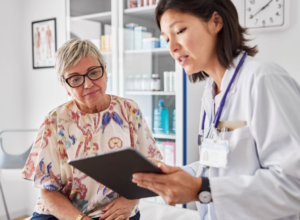
Cedars-Sinai experts encourage patients to talk with their healthcare provider about participating in clinical trials, which can provide access to innovative treatment options while advancing medical research. Photo by Getty.

Michael Farkouh, MD, Vice Dean for Research and Clinical Trials at Cedars-Sinai Health Sciences University, Explains How Clinical Trials Work and How They Advance Patient Care

By Kristin Reynolds

What is a clinical trial? Are they safe? Are they free? Who can participate?
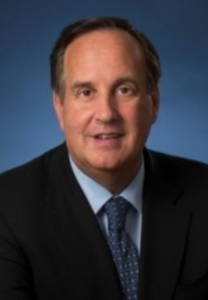
Michael Farkouh, MD
Michael Farkouh, MD

These are among the most common questions patients ask when they consider joining a clinical trial at Cedars-Sinai, where more than 700 such studies are currently underway.

Those trials are essential to advancing medical care and offer patients access to emerging new therapies while helping researchers better understand diseases and improve future treatments, said Michael Farkouh, MD, vice dean for Research and Clinical Trials at Cedars-Sinai Health Sciences University.

“A clinical trial is the final step in translating research innovations into clinical practice—the bridge from research discovery to the patient,” Farkouh said. “As an academic medical center, Cedars-Sinai provides excellent clinical care alongside access to novel therapies that can enhance that care.”

To mark Clinical Trials Awareness Month, the Cedars-Sinai Newsroom spoke with Farkouh about how patients can decide whether a clinical trial is right for them.

What is a clinical trial?

clinical trial is a carefully designed study that evaluates new drugs, devices or care strategies in eligible patients who choose to participate. A clinical trial typically compares a new approach with the current standard of care to determine whether it leads to better outcomes. If it does, it may become part of routine medical practice.

What are the phases of clinical trials?

Each phase serves a distinct purpose. Phase I focuses on safety, helping researchers determine whether a new treatment can be used safely in people.

Phase II evaluates whether the treatment shows signs of effectiveness, often by comparing before and after images or blood test results.

Phase III tests whether the treatment improves patient outcomes—such as reducing heart attacks, lowering mortality or improving quality of life—and is required for U.S. Food and Drug Administration approval.

Phase IV trials occur after FDA approval and involve larger populations to monitor long-term safety and effectiveness, including the identification of any side effects.

Are clinical trials safe?

Patient safety is a top priority. Participants must provide informed consent, meaning they fully understand the study and agree to participate. Studies follow strict ethical standards and are closely monitored by our Institutional Review Board to protect patient wellbeing. Patients enrolled in clinical trials often benefit from enhanced care because they are monitored more closely, with ongoing visits, tests and follow-up.

Who can participate in a clinical trial?

Each study has specific eligibility criteria to make sure the treatment is appropriate and safe for participants. For example, some trials may exclude patients with certain underlying conditions if they may be at increased risk or if they have little probability for benefit.

Because of these criteria, trial results apply most directly to the group of patients who were studied. Doctors then use their clinical judgment to decide how those findings may apply to patients in real-world settings.

What is a placebo, and do clinical trials always involve a placebo?

Some trials use a placebo, an inactive treatment designed to resemble the real one. In these studies, the patient and the doctor are often unaware of who receives the actual treatment, a process known as “blinding.” Placebo-controlled trials are considered the most reliable way to understand whether a treatment truly works because they help reduce bias, ensuring that expectations don’t influence the results.

A placebo is not possible in some clinical trials. An example is when surgical procedures are being compared. In those cases, researchers rely on other methods to evaluate outcomes.

Are clinical trials free?

Yes—in most cases, tests, treatments or procedures that are part of the study are provided at no additional cost to participants.

How are patients benefiting from clinical trials at Cedars-Sinai?

Up to half of clinical trials at Cedars-Sinai focus on cancer, and the others are specific to other conditions. Participation tends to be higher in trials for serious or life-threatening diseases, where patients may seek access to innovative therapies that could improve or extend their lives.

Beyond the potential individual benefit, participants play an important role in advancing medical knowledge. Many of today’s standard treatments are the result of clinical trials made possible by patients who volunteered to participate. They’re the true heroes.

How can patients find a clinical trial?

Cedars-Sinai offers an online registry where patients can search for studies by condition. Physicians are also informed about available studies and can help determine whether a trial may be a good fit. For most patients, the best first step is a conversation with their healthcare provider to explore whether a clinical trial is an appropriate option.

Cedars-Sinai Health Sciences University is advancing groundbreaking research and educating future leaders in medicine, biomedical sciences and allied health sciences. Learn more about the university.
Huntington Health Recognized as 2026 Wellbeing First Champion

Huntington Health Recognized as 2026 Wellbeing First Champion

Huntington Health, an affiliate of Cedars-Sinai, has been recognized as a 2026 Wellbeing First Champion by ALL IN: Wellbeing First for Healthcare, highlighting the organization’s commitment to supporting the mental health and wellbeing of its physicians and advanced practice providers (APPs).

“This designation as a Wellbeing First Champion is a win for the mental health of our physicians and APPs,” said David Ulick, MD, chair of the Huntington Hospital Physician Executive Wellness Steering Committee. “Prioritizing mental health and wellbeing not only supports our practitioners, but also helps destigmatize seeking care. It aligns directly with our mission to advance health care with expertise and compassion for every patient.”

Confidential access to mental health services remains a critical issue across the health care industry. According to ALL IN: Wellbeing First for Healthcare, overly invasive mental health questions in licensing and credentialing applications can discourage health care workers from seeking support and are a significant contributor to workforce distress.

By eliminating such questions, Huntington Health is helping lead a cultural shift within health care—reinforcing that caregiver wellbeing is essential to high-quality patient care.

“Every health worker is a human being who carries the immense weight of caring for others,” said Corey Feist, CEO and Co-Founder of the Dr. Lorna Breen Heroes’ Foundation, which leads the ALL IN coalition. “For too long, caregivers have suffered in silence, fearing that seeking mental health care would jeopardize their careers. Huntington Health is helping break that silence—sending a powerful message that your life matters as much as your livelihood, and you never have to choose between the two.”

Huntington Health Recognized as 2026 Wellbeing First Champion

Huntington Health, an affiliate of Cedars-Sinai, has been recognized as a 2026 Wellbeing First Champion by ALL IN: Wellbeing First for Healthcare, highlighting the organization’s commitment to supporting the mental health and wellbeing of its physicians and advanced practice providers (APPs).

“This designation as a Wellbeing First Champion is a win for the mental health of our physicians and APPs,” said David Ulick, MD, chair of the Huntington Hospital Physician Executive Wellness Steering Committee. “Prioritizing mental health and wellbeing not only supports our practitioners, but also helps destigmatize seeking care. It aligns directly with our mission to advance health care with expertise and compassion for every patient.”

Confidential access to mental health services remains a critical issue across the health care industry. According to ALL IN: Wellbeing First for Healthcare, overly invasive mental health questions in licensing and credentialing applications can discourage health care workers from seeking support and are a significant contributor to workforce distress.

By eliminating such questions, Huntington Health is helping lead a cultural shift within health care—reinforcing that caregiver wellbeing is essential to high-quality patient care.

“Every health worker is a human being who carries the immense weight of caring for others,” said Corey Feist, CEO and Co-Founder of the Dr. Lorna Breen Heroes’ Foundation, which leads the ALL IN coalition. “For too long, caregivers have suffered in silence, fearing that seeking mental health care would jeopardize their careers. Huntington Health is helping break that silence—sending a powerful message that your life matters as much as your livelihood, and you never have to choose between the two.”

For more information and a list of available mental health resources, visit the ALL IN for Mental Health page. And to learn more about Huntington’s Physician Executive Wellness Steering Committee (PEWSC), click here.

Huntington Announces Creation of the Boswell Chair of Surgery, Names Gabriel Akopian, MD, MBA, as Inaugural Chair

Huntington Announces Creation of the Boswell Chair of Surgery, Names Gabriel Akopian, MD, MBA, as Inaugural Chair

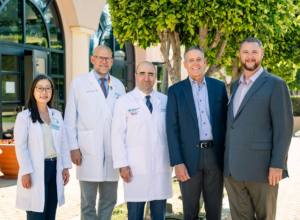
Huntington Health today announced the establishment of the Boswell Chair, Department of Surgery, marking a major milestone in the medical center’s long held goal of creating an endowed physician chair. This achievement is made possible through the generous support of the James G. Boswell Foundation, who shared: “We are proud to support Huntington Health in strengthening surgical excellence for the San Gabriel Valley.”

Following a rigorous selection process, Huntington Health has named Gabriel Akopian, MD, MBA, a respected surgeon, educator, and longtime member of the Huntington medical community, as the inaugural Boswell Chair of Surgery.

“Establishing the Boswell Chair of Surgery is a transformative milestone for Huntington,” said John M. Corman, MD, president and chief clinical officer, Huntington Health. “Endowed chairs are rare in community hospitals, and we are deeply grateful to the Boswell Foundation for making this possible. We are proud to appoint Dr. Akopian to this distinguished role as we continue to advance surgical excellence and expand access to high-quality care in our community.”

In this role, Dr. Akopian will lead outstanding clinical, research, and professional education programs for residents and medical staff, while fostering collaboration across the institution and beyond. A highly skilled surgeon and proud graduate of Huntington Hospital’s Graduate Medical Education (GME) program – an area the Boswell Foundation has long supported – Dr. Akopian also serves as program director for the Huntington Hospital Surgery Residency Program, making him the ideal fit to further shape the next generation of surgeons.

“Endowed chairs are critical to advancing clinical excellence and attracting and retaining top physician leaders,” said Wafaa Alrashid, MD, chief of medical staff, Huntington Hospital. “Dr. Akopian’s appointment reflects the strength of our surgical program and our commitment to shaping the future of medicine in the San Gabriel Valley.”

A board-certified general surgeon specializing in general and colorectal surgery, Dr. Akopian brings deep expertise in minimally invasive treatment of colon cancer, diverticulitis, anorectal disorders, hernias, and gallbladder disease. He earned his medical degree from Boston University, completed his surgery residency at Huntington Hospital, and pursued a Minimally Invasive Surgery fellowship at USC. He then went on to earn an MBA from UCLA Anderson School of Management.

Dr. Akopian also brings significant leadership experience in Huntington Hospital’s administration and surgical governance, including service as a Physician Advisor in Utilization Management, Chair of the Department of Surgery (2022), Designated Institutional Official, Chair of the Section of General Surgery, and member of the Credentials Committee. He also served on the Board of Directors for the Southern California Chapter of the American College of Surgeons (2017–2022).

Dr. Akopian expressed: “I am deeply grateful for the trust placed in me and honored to be named the inaugural Boswell Chair of Surgery. I’m especially thankful to the Boswell Foundation and Huntington Health for their commitment to advancing surgical innovation, education, and patient care. I look forward to building on this legacy and working alongside my colleagues to continue delivering exceptional care to our community.”

Huntington NICU Adds Advanced Technology to Keep Parents Connected to Their Newborns

Huntington NICU Adds Advanced Technology to Keep Parents Connected to Their Newborns

AngelEye Health’s CameraSystem Provides Families with Real-Time Access to Infant Care

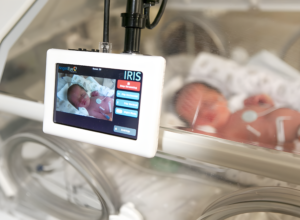
Huntington Health, an affiliate of Cedars-Sinai, today announced the addition of AngelEye Health’s CameraSystem to its neonatal intensive care unit (NICU), enhancing the ability for families to stay connected with their newborns during critical moments of care. The system includes 32 state-of-the-art camera devices designed to provide secure, live-streaming video access for families anytime, anywhere, on any device.

This innovative technology allows parents to see their baby 24/7, offering reassurance and strengthening emotional bonds when they are unable to be at the bedside. The platform also supports secure, HIPAA-compliant communication, enabling care teams to share updates, photos and videos directly with families.

Family members view a newborn receiving care in the NICU through a tablet, demonstrating technology that helps parents and loved ones stay connected to hospitalized infants.

“The implementation of AngelEye reflects Huntington Health’s commitment to innovation by embracing advanced technology to improve care delivery and the patient-family experience,” said Jinhee Nguyen, senior vice president, chief operating officer and chief nursing officer, Huntington Health. “By strengthening connections between families and caregivers, the hospital continues to advance its mission of delivering expert, compassionate care for every patient, every time.”

Research consistently shows that parent involvement plays a vital role in an infant’s success in the NICU. By increasing engagement, communication and transparency, the AngelEye CameraSystem helps families remain active participants in their baby’s care journey while fostering trust between clinicians and caregivers.

“This new technology is proven to help reduce the stress and anxiety of parents with a child in the NICU, fostering stronger connections when parents are unable to be at the bedside and providing a seamless way for them to be essential members of the care team,” said Amy Pendleton, director of women’s and children’s services at Huntington Hospital. “We believe this system provides a new level of comfort, confidence and communication for the neonatal program as a whole.”

This milestone would not have been possible without the generous support of Huntington Hospital donors and Panda Cares, the philanthropic arm of Panda Express, whose funding made the AngelEye system possible. Their continued commitment to supporting children and families brings hope to patients in need.

The addition of AngelEye CameraSystem is now part of Huntington Hospital’s enhance family-centered care to improve clinical outcomes and ensure that every family feels supported throughout their NICU journey. To learn more about Huntington Hospital NICU care, go to: https://www.huntingtonhealth.org/NICU

Photo credit: AngelEye Health CameraSystem

Huntington Experts See Rise in Hiking Injuries, Urge Safety This Summer

Falls, Heat, Wildlife Encounters Remain Leading Causes of Serious Hiking Injuries

As Southern California enters peak hiking season, experts at Huntington Health, an affiliate of Cedars‑Sinai, are advising that preparation and awareness can save lives on local mountain trails.

Less than a month since the season began in late-March, Huntington Hospital’s emergency department is already seeing an uptick in hiking‑related injuries ranging from snake bites and broken bones to heat illness and cardiac emergencies.

Huntington News interviewed Amal Obaid-Schmid, MD, Huntington’s medical director of trauma services, and Janet Henderson, RN, clinical director of Huntington’s emergency department and a member of the Montrose Search and Rescue Team, about the most common hiking injuries they treat and how hikers can stay safe when they hit the trails.

Huntington News: What types of hiking injuries do you see most frequently in the Emergency Department?

Henderson:
The most common injuries we see from hiking are falls — people slipping, losing their footing, or falling down a slope. These can lead to fractures, lacerations, and sometimes head or spinal injuries. We also see injuries from falling rocks or boulders, especially after heavy rain or wildfire damage has weakened trails.

Obaid-Schmid:
Yes, the severity can range widely. Some hikers come in with sprains or simple cuts, while others have internal bleeding or organ injuries, such as a ruptured spleen. The mechanism of injury, how someone falls or what strikes them, matters a great deal.

There have been several reports of falling rocks and boulders in our local mountains. What makes these injuries challenging?

Obaid-Schmid:
We’ve treated hikers with multiple fractures, head injuries, and internal bleeding after being struck by falling boulders. In one recent incident, two large boulders broke loose on the same day and injured two hikers at the same time. Both required emergency transport.

Henderson:
Many of these rescues require helicopters because ambulances can’t access the terrain. When helicopters can’t fly due to weather or low visibility, it can take hours to get someone out, which delays lifesaving care.

If someone is injured, should they try to keep hiking to get help?

Obaid-Schmid:
No. Trying to “walk it off” is one of the biggest mistakes we see. If there’s any chance you’ve fractured a bone, continuing to bear weight can significantly worsen the injury and complicate recovery. The safest option is to stop, stay put and call for help.

Henderson:
It’s important to make yourself visible and, if possible, have someone go for help. Staying still often prevents a bad situation from becoming catastrophic.

How big of a concern are heat‑related illnesses?

Obaid-Schmid:
Heat illness is one of the most common hiking‑related medical issues we treat, especially as temperatures rise. Dehydration, heat exhaustion, and heatstroke can all become life‑threatening if people ignore early symptoms.

Henderson:
People should hike early in the morning, bring more water than they think they’ll need, and know when to turn around. Finding shade, using sun‑protective clothing, and pacing yourself go a long way.

Huntington News: What about wildlife dangers on local trails?

Henderson:
Rattlesnake bites are a real concern in warmer months, especially since trails can be overgrown and snakes are easy to miss.

Obaid-Schmid:
If someone is bitten, they should seek medical care immediately. Do not cut the wound, suck out venom, burn the skin, or use a tourniquet. Those myths cause more harm than good. Hospitals carry antivenom, which is very effective when given quickly.

Mountain lions pose the most serious wildlife risk, though encounters are rare. Coyotes may also approach humans, particularly if food is present. Hikers are advised to stay alert and avoid wearing headphones that limit awareness.

What first‑aid skills make the biggest difference before rescue arrives?

Henderson:
Basic splinting for suspected fractures and knowing how to recognize allergic reactions are also important. Hikers with conditions such as heart disease, diabetes, or severe allergies should always carry their medications on longer hikes, including EpiPens.

Obaid-Schmid:
Every hiker should know how to stop bleeding. Applying direct pressure, packing a wound, or using a tourniquet can be lifesaving while waiting for help. Huntington and Cedars-Sinai offer a Stop the Bleed program that provides this important instruction to the community.

Other than hiking injuries, what types of other serious medical emergencies can happen on the trail?

Obaid-Schmid:
While rare, we’ve treated cardiac arrests that occurred during hikes, particularly in people with known heart conditions. Knowing your limits and choosing hikes appropriate for your health is essential.

Henderson:
Shorter, less strenuous hikes done more frequently can still provide the benefits of being outdoors without putting someone at unnecessary risk.

Huntington News: Is it safe to rely on a cell phone for emergencies?

Henderson:
Cell service is unreliable in many hiking areas. One of the simplest safety steps is telling someone where you’re going and when you expect to return. That information often triggers rescue efforts.

Obaid-Schmid:
GPS trackers or emergency beacon devices can also add an extra layer of safety, especially on remote trails.

Hiking should be enjoyable, not dangerous. With a little planning and common sense, people can dramatically reduce their risk and safely enjoy the outdoors this summer.

Huntington Hospital is the only Level II trauma center and the largest emergency room in the San Gabriel Valley. To learn more about Huntington Hospital’s emergency and trauma services, visit: https://www.huntingtonhealth.org/our-services/emergency-trauma/

Recognizing Older Americans Month: Senior Care Network offers essential tips for fall prevention and recovery

Recognizing Older Americans Month: Senior Care Network offers essential tips for fall prevention and recovery

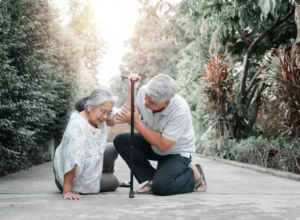
Falls are a leading cause of injury, especially among older adults. But falling isn’t an inevitable part of aging! Although the risk of falling rises with age, aging itself is not the direct cause. Falls result from a mix of biological, behavioral and environmental factors. Since these risk factors often intersect, addressing all three is essential for staying safe.

Biological risks include physical and medical conditions that affect balance, strength and overall mobility. These may include muscle weakness, balance problems, side effects from medications, chronic conditions such as arthritis or diabetes, vision changes and sudden drops in blood pressure when standing (orthostatic hypotension).

Behavioral risks are related to personal choices and habits that can increase the likelihood of falling, such as alcohol use, risky actions like standing on chairs, impulsivity, multitasking and inactivity.

Environmental risks involve hazards in the home or outdoors that can create unsafe conditions, even for the most able of adults. Common hazards include throw rugs, clutter, poor lighting, unstable furniture, pets, cracked sidewalks and a lack of or poorly secured grab bars.

Focusing on just one area may not be enough, since these factors often influence each other. For example, muscle weakness paired with poor lighting can significantly raise your risk of a fall. The good news is that addressing these risks doesn’t have to be overwhelming.

“When we talk about fall prevention, it’s really about empowering people to stay active, safe and independent,” says Julia Masulis, PT, DPT, NCS, Huntington Health. “Small, practical changes can make a big difference — whether it’s improving balance through exercise or making your home environment safer.”

These steps will not only help you prevent injuries but also support your ability to live independently and confidently every day.

About Senior Care Network

Senior Care Network is a nationally recognized non-for-profit that helps older adults, adults with disabilities and their families remain healthy and independent. To learn more about Senior Care Network and the Noon Hour speaker series, click here.

Huntington Health Chief Operating Officer and Chief Nursing Officer, Jinhee Nguyen, featured in Working Nurse Magazine

Huntington Health Chief Operating Officer and Chief Nursing Officer, Jinhee Nguyen, featured in Working Nurse Magazine

Working Nurse magazine recently featured Jinhee Nguyen, DNP, MBA, RN, senior vice president, chief operating officer and chief nursing officer, in its annual CNO Roundtable piece. Along with a panel of sixteen local CNOs, Jinhee answered pressing questions about nursing challenges like retention, burnout and new technology, and what makes her optimistic.

Jinhee thinks the biggest issue facing CNOs today is the rapid acceleration of technology and AI. She sees enormous potential but wants more scrutiny: “The challenge is ensuring they actually simplify care and piloting innovation in safe, intentional ways,” she explained.

She also discussed retention and burnout and the ways in which her team has improved both. Jinhee said that forecasting patient demand, balancing resources and identifying pressure points early have helped improve staffing/retention. As for burnout, she said it “improves when operations run smoothly and staff feel valued.”

Additionally, Jinhee expressed what makes her optimistic about nursing. She’s pleased to witness how nurses embrace innovation when it proves to support their work. She also added, “I’m equally encouraged by the strength of our nursing community – both seasoned nurses with deep experience and new nurses with fresh perspectives and energy.”        

To read the full article, visit the Working Nurse website.

Love connections: Why quality matters most in relationships

Love connections: Why quality matters most in relationships

Did you know the quality of your relationships – or love connections – affects your mental, physical and cognitive health? Because of this, strengthening and nurturing your relationships is vital to your health. Psychotherapist Katrin Koutassevitch, LCSW, recently shared practical advice at Senior Care Network’s Noon Hour about how to deepen relationships and navigate common pitfalls you might encounter in the quest for quality.

Katrin discussed four types of relationships that affect your well-being: family and friends, romantic partnerships, self-love and values. She explored the unique challenges of each and offered actionable strategies to improve interactions. Below are takeaways from her talk.

Improving family and friend connections.

Relationships with family and friends are often the most foundational to well-being, but as Katrin put it, it can be “perilous.” Political disagreements, unsolicited criticism/advice or yelling can make it difficult. She offered the following:

  • Setting boundaries: If you ever say yes to things you want to say no to, and/or allow others to bully you, you might have boundary issues. Katrin stressed that boundaries define what YOU are going to do – not what you want your loved one to do (because we can’t control others’ behaviors). This simple reframing can prevent conflict and resentment.
  • Ask for what you want: Loved ones aren’t mind readers. If you calmly say, “I would like…” and explain why the request matters to you, you’ll improve communication.

Strengthening romantic partnerships.

Katrin also shared tips on how to make romantic relationships more fulfilling:

  • Try something new with your partner: Just something small, like exploring a different part of town, going to local events or changing up what you already like (like turning breakfast into a picnic) can strengthen a romantic bond.
  • Practice vulnerability: As the body ages, sexual desires/needs can change too, which might be embarrassing to talk about with your partner. Katrin recommended acknowledging you feel vulnerable talking about it first, then asking if they’re willing to try out your request.

Cultivating self-love.

Self-love is often confused with self-care, but they are not the same. While self-care focuses on pampering or external comfort, self-love is about appreciating yourself exactly as you are. Katrin shared two ways to be “your own cheerleader”:

  • Use affirmations: Studies show that declaring positive assertions about yourself is beneficial. Koutassevitch suggested honestly evaluating what makes you special and celebrating it.
  • Create an “all-done” list: At the end of each day, think about all the things you accomplished that day – big or small – then give yourself credit and enjoy that feeling of satisfaction.

Deepening your connection to your values.

Katrin explained that connecting with something bigger than yourself – like core values (e.g., faith, family, ecology, education, forgiveness) – will give you a sense of well-being. She suggested two ways to accomplish this connection:

  • Name your value: Values can change as you age, so it’s important to identify what’s truly important to you now. Katrin listed a few free value-affirming tools.
  • Take action: Once you know your value, embrace it: donate your time, money or expertise, join a group with like-minded people, teach it, etc.   

For more information, watch the Senior Care Network Noon Hour recording,using the following passcode: 06=?vZ9A

The Senior Care Network is located on the Huntington Hospital campus. Our community-based team includes over 30 staff members as well as volunteers and students. Together we serve more than 15,000 community members annually, with the ultimate goal of helping seniors live safely in their homes. Visit huntingtonhealth.org/seniorcarenetwork to learn more.

Generations of Service: How Volunteers of All Ages Strengthen Huntington Health

This week, Huntington Health, an affiliate of Cedars-Sinai, proudly celebrates the more than 1,000 volunteers who generously dedicate their time, talent, and compassion to our hospital each year.

Together, these volunteers donate more than 100,000 hours annually, serving as the welcoming face of our community at moments when patients and families are often vulnerable, anxious, or afraid. You’ll find friendly volunteer faces throughout the hospital, supporting countless departments and programs and helping create an environment that feels caring, calm, and human.

Volunteer Week also celebrates the people behind the service. Pasadena-resident Shirley Botsford, Huntington’s oldest volunteer at 95 years young, has volunteered at Huntington for more than 43 years, contributing over 11,700 hours. ‘I enjoy doing things that I’m capable of, helping other people,” Shirley says. “And when someone says, ‘We appreciate it,’ that makes you feel good—because you know you’ve helped make something easier for them at a difficult time.”

At the other end of the age spectrum is high school volunteer, 17‑year‑old Oliver Malone, who hopes to pursue a healthcare career. “I love the feeling of helping people,” Oliver shares. “It makes me feel like I’ve done something meaningful—like I’ve made someone feel better—and that’s what keeps me coming back.”

“From first‑time volunteers to lifelong ones, we are deeply grateful,” said Amaralys Gastelum, director of volunteer services, Huntington Health. “Our volunteers don’t just support Huntington, they are an instrumental part of our operations on a day-to-day basis.”

Volunteers play vital roles across Huntington’s campus. At nursing stations, they provide essential non‑clinical support, answering phones, assisting with discharges, transporting patients, and helping nurses focus on care. Our high school volunteers, such as Oliver, representing more than 40 schools—bring energy and curiosity, and many credit their volunteer experiences with inspiring future careers in healthcare.

Huntington’s music volunteers offer a different kind of healing, sharing piano, guitar, harp, violin, and ukulele music that lifts spirits and soothes patients and staff alike. In the S. Robert and Denise Zeilstra Gift Shop, volunteers create a welcoming respite for visitors and staff, while proceeds support the hospital and student scholarships. Off campus, volunteers at the Huntington Collection help fund the Senior Care Network. Other opportunities include clerical support, information desks, lobby escorts, and the ever‑popular Pet Assisted Therapy teams—some of our most beloved volunteers happen to have four legs.

Shirley continues: “I don’t do it for the praise or the hours. But when someone says, ‘Thank you,’ you know you’ve helped—and that makes you feel good. That’s why I enjoy volunteering.”

To learn more about Huntington’s volunteer program, click here.

Huntington Health Appoints Jinhee Nguyen as Chief Operating Officer

Huntington Health Appoints Jinhee Nguyen as Chief Operating Officer

Huntington Health, an affiliate of Cedars-Sinai, has appointed Jinhee Nguyen, DNP, MBA, RN, NEABC, as senior vice president and chief operating officer, in addition to her role as chief nursing officer, following a highly competitive internal selection process.

“I’m delighted to welcome Jinhee to her new, expanded role,” said John M. Corman, MD, president and chief clinical officer, Huntington Health. “This appointment speaks to the exceptional depth of leadership within our organization and to the meaningful impact Jinhee has made since joining Huntington nearly two years ago. Her leadership has driven measurable improvements in care quality, nursing engagement, financial performance, and operational readiness.”

The chief operating officer role is intentionally designed to support cohesive, collaborative operational leadership across the organization. In this expanded role, Jinhee will continue to ground decision making in what is best for patients and clinicians, drawing on her early career experience as an emergency and trauma nurse and her enterprise wide leadership perspective.

Jinhee will work closely with operational leaders across Huntington Health and in partnership with Cedars-Sinai Health System to support safe, effective, and compassionate care for the community.

For more information about the leadership team at Huntington Health, click here.