Our hearts are with our employees, patients, families, and friends in the San Gabriel Valley and throughout LA County as we see the impact of these devasting fires and winds.
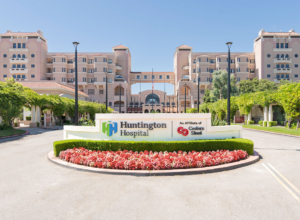
Huntington Hospital continues to provide safe emergency and inpatient care to our community. Our patient offices impacted by evacuation notices or heavy fire smoke, such as some community physician offices, imaging, and urgent care locations are closed. In addition, non-urgent, elective surgeries and procedures have been temporarily deferred.
We are thinking about our community, patients and workforce who have been so tragically impacted by this terrible disaster. For a list of Eaton Fire resources and up-to-date information, please visit: Eaton Fire Community Resources | Huntington Hospital
We are grateful for the tireless work of the firefighters who are working day and night to protect our community. We will provide additional updates as the situation evolves.
Huntington Health recently received a generous donation of $400,000 from Andrew and Peggy Cherng of Panda Restaurant Group, through their philanthropic arm, Panda Cares Foundation. Funds from the donation will be used towards NICU and pediatric care at Huntington Hospital.
“We are grateful Huntington Hospital has once again been selected as a recipient of fundraising efforts from the Panda Cares Foundation,” said Jane Haderlein, senior vice president, philanthropy and public relations, Huntington Health. “Over the past 25 years, Andrew and Peggy Cherng have supported compassionate and innovative care for our youngest patients. San Gabriel Valley children are stronger and healthier thanks to their commitment to our patients and families.”
Panda Restaurant Group, Inc. (“PRG”), the global leader in Asian dining experiences and parent company of Panda Express, Panda Inn and Hibachi-San, is dedicated to becoming a world leader in people development. Panda Restaurant Group’s humble beginnings started in 1973 with one restaurant, Panda Inn, in Pasadena, California, opened by Andrew Cherng and his father, Master Chef Ming-Tsai Cherng. With hopes of growing the business and creating more opportunities for their family, Andrew and his wife Peggy Cherng created the first Panda Express in 1983 to offer a faster and more convenient experience for guests to enjoy American Chinese favorites.
Panda Restaurant Group is more than a trailblazer of American Chinese food. Led by co-founders and co-CEO’s Andrew and Peggy, the company’s people-first vision, values-driven culture. and associates’ inspiring growth stories have garnered industry-wide recognition and been key to the company’s extraordinary success. Awarded with more than 30 honors as top employer and best place to work to-date, Panda is nationally recognized as a top employer by Fortune’s 100 Best Companies to Work For, Great Place to Work Certification and PEOPLE’s Companies That Care list. From developing its presence all over the world to developing more than 50,000 associates, each store built brings PRG closer to its mission to inspire better lives.
About PANDA CARES®
Powered by 50,000 associates of Panda Restaurant Group, Inc./Panda Express®, the organization’s philanthropic arm Panda Cares® is committed to bettering the health and education of youth as well as supporting communities in need. In 1999, Panda Restaurant Group, Inc. created Panda Cares to live into its mission of inspiring better lives by giving back to its local communities and shaping a brighter future for generations to come. Through volunteer services, funding, and meal donations, Panda Cares has raised more than $375 million since its establishment, impacting over 15 million youth and counting. Areas of focus include leadership and academic programs for students, and whole person healing for patients. For more information, visit www.pandacares.org.
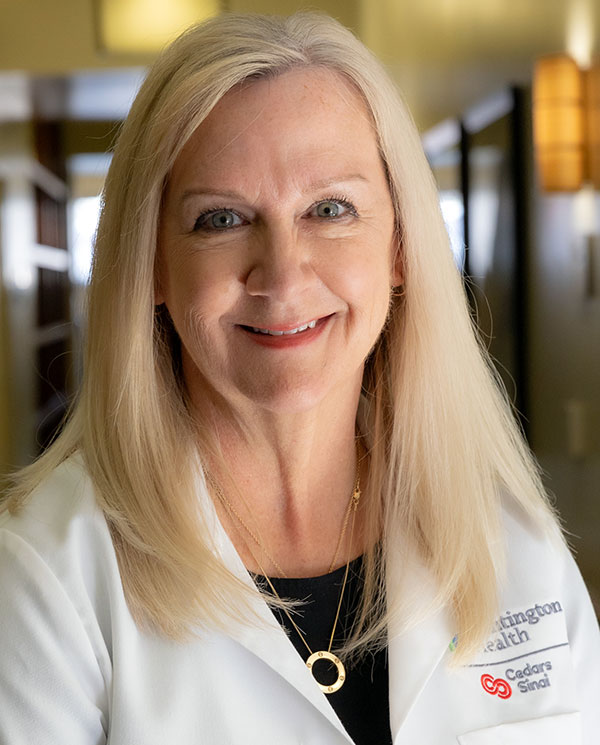
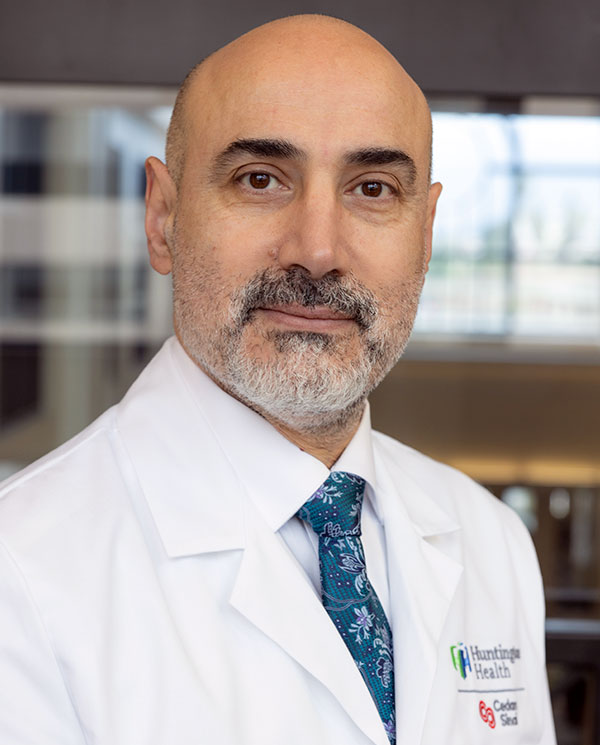
PHOTO CAPTION: Huntington Health representatives, Brandon Lew, DO, medical director, emergency department, Jamie Powers, MD, neonatologist, Lori J. Morgan, MD, MBA, president and CEO and Jane Haderlein, senior vice president, philanthropy and public relations recently received a $400,000 donation from Panda Cares Foundation.
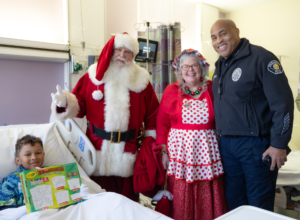
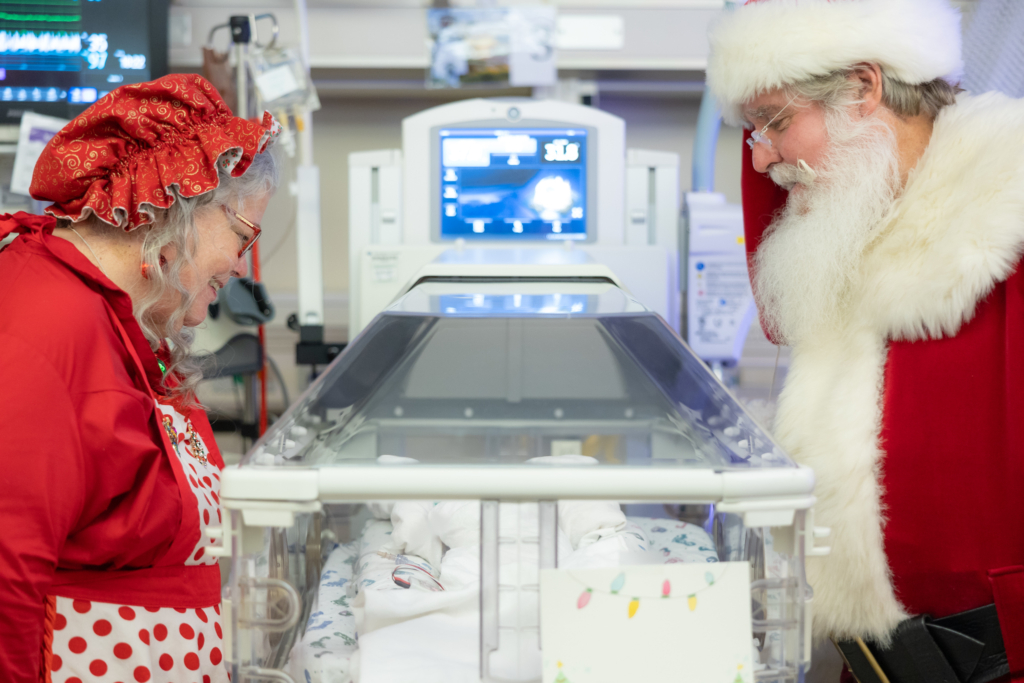
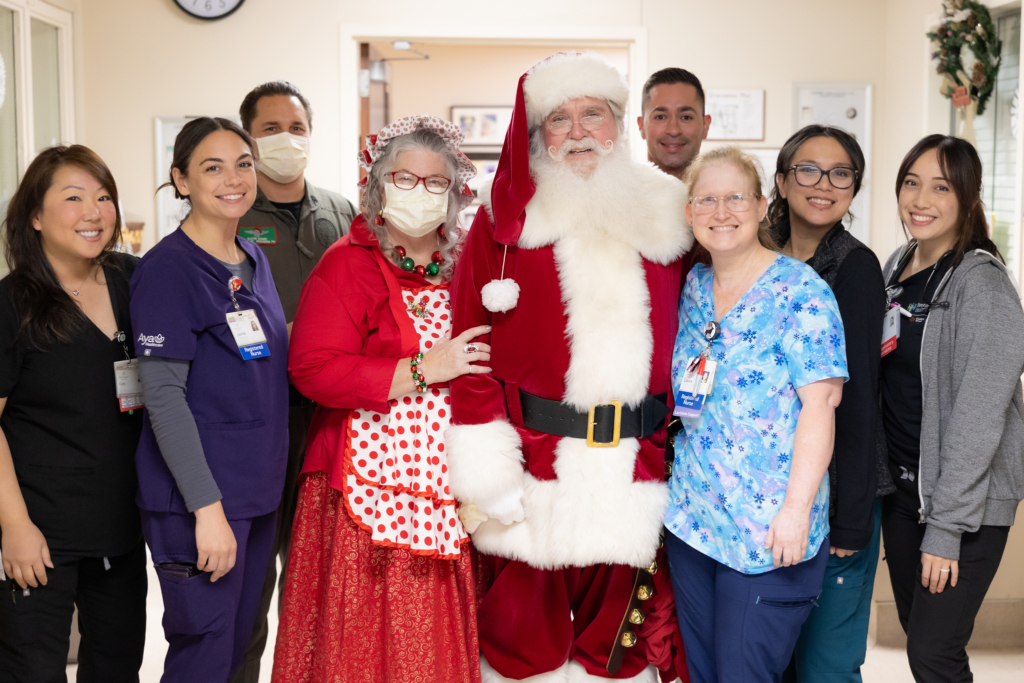
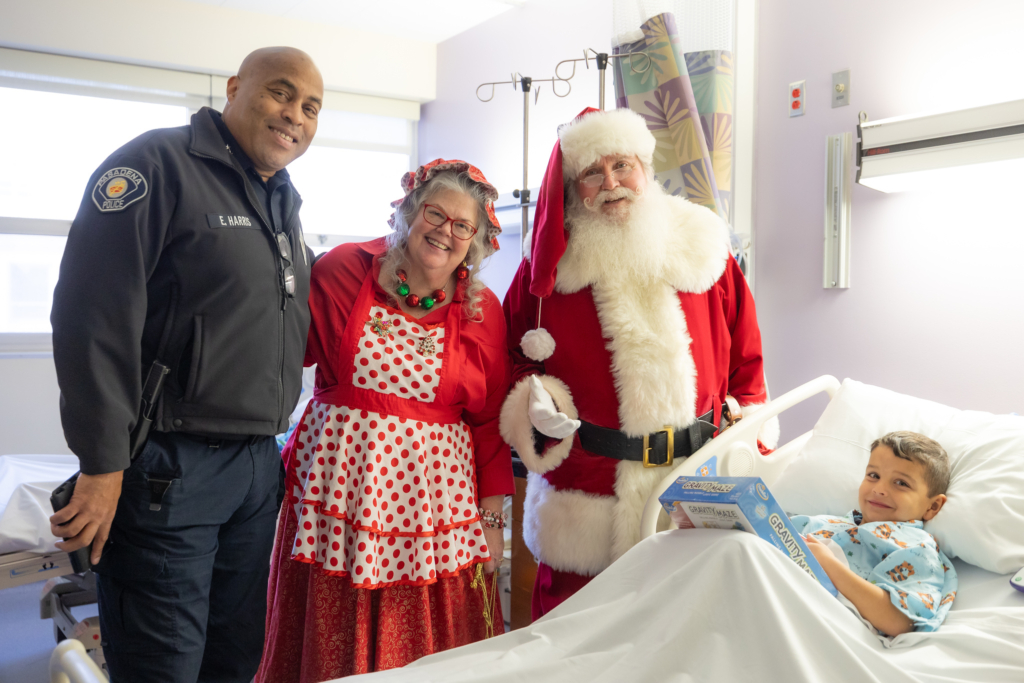
On December 11, 2024, Huntington Health welcomed the Pasadena Police Air Operations Section and the Foothill Air Support Team (FAST), for Operation Polar Wind – a very special visit to Huntington’s pediatric and NICU patients. Pasadena Police Chief Eugene Harris escorted Santa Claus to Huntington Hospital via his sleigh (helicopter), bearing gifts for the hospital to share with pediatric patients all year long.
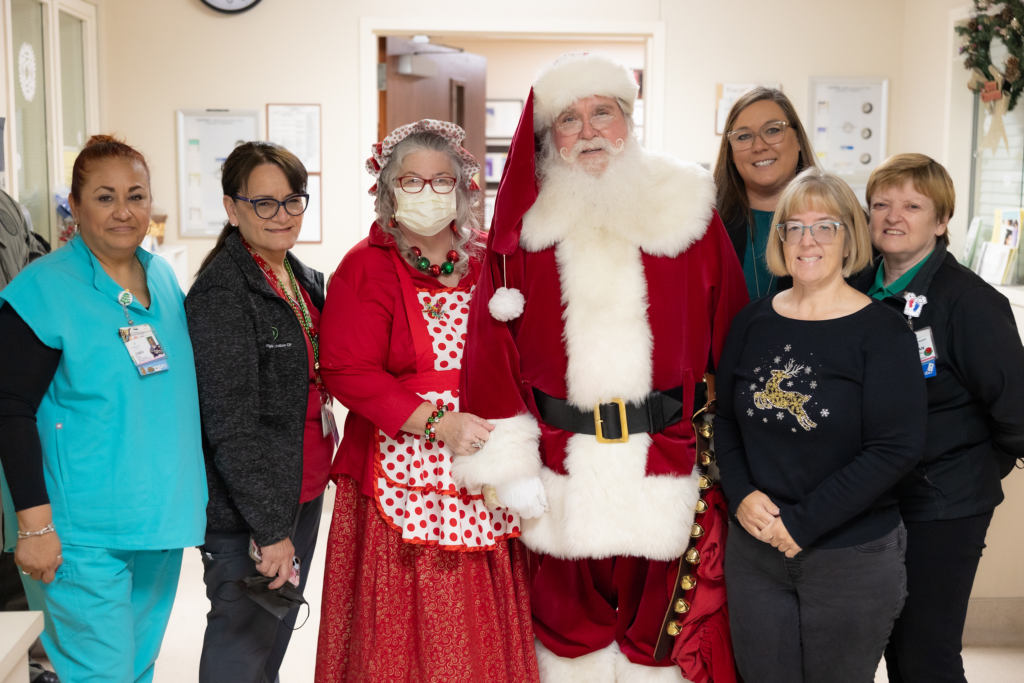
“We are so grateful to the entire team at Pasadena Police Department and our local police agencies for their incredible generosity,” said Amy Pendleton, director women and children’s services, Huntington Health. “The entire team, and of course Santa and Mrs. Claus, bring so much joy to our patients and staff. We look forward to this visit every year.”
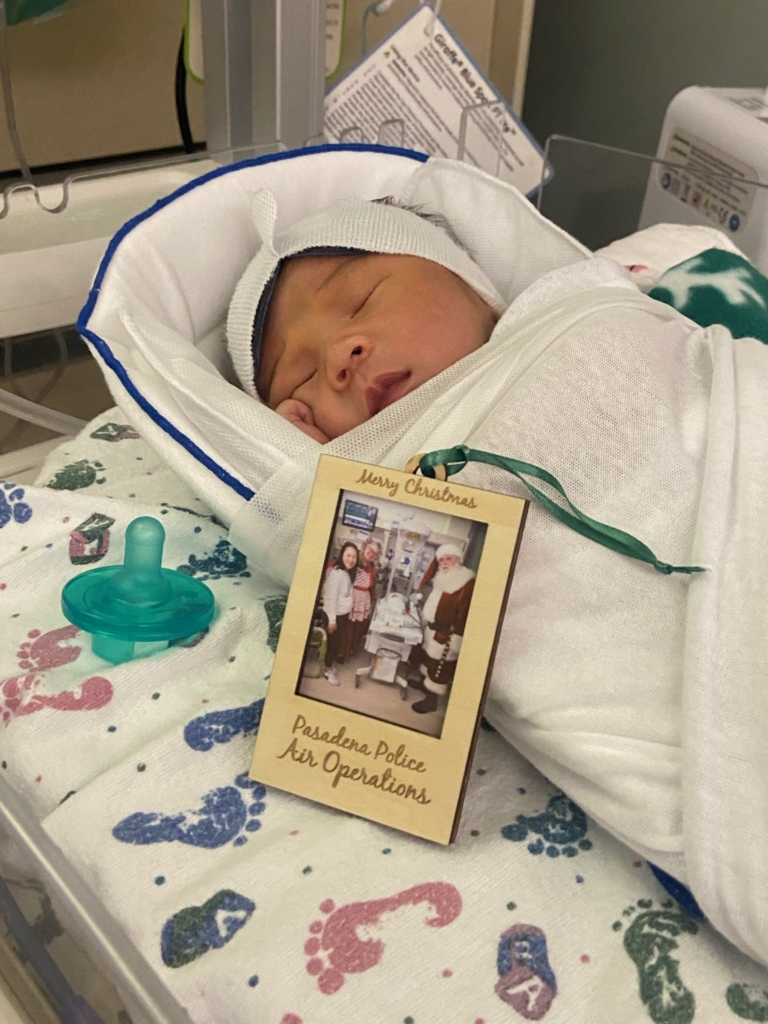
The 19th annual toy drive was funded through generous contributions from the Pasadena Police Department (PPD) employees and officer associations participating in the FAST program throughout the San Gabriel Valley. Every year, these community heroes donate from their own pockets to support Huntington’s pediatric and NICU departments. Also, Huntington NICU families received a special ‘Baby’s 1st Christmas’ photo ornament from PPD.
The donations were also provided by Arcadia, Covina, Glendora, Irwindale, Monrovia, Pasadena, San Marino, and South Pasadena Police Departments, Pasadena Police Foundation and Trader Joe’s.
We’re proud to announce that Huntington Health, a Cedars-Sinai affiliate, has been recognized in the 2024 Healthiest Employers of Southern California, an awards program created to honor people-first organizations that prioritize the well-being of their employees. Huntington was recognized because of its commitment to workplace wellness and exceptional health and benefits offerings, including career advancement programs, retirement savings options, increased work-life balance and mental health resources.
“The well-being of our people, including, Huntington Health’s employees, volunteers and medical staff is vital to upholding our mission to create well-being in our community,” said Pamela Weatherspoon, vice president, enterprise, diversity, equity, inclusion, engagement & wellness. “Exceptional wellness programming reflects this mission: taking care of our staff takes care of our community.”
The Healthiest Employers award program is a comprehensive online assessment to evaluate company performance in six categories of health and well-being:
1. Culture & Leadership Commitment: Measures commitment to employee health.
2. Foundational Components: Looks at the core elements of the program.
3. Strategic Planning: Measures the strength of program planning.
4. Communications & Marketing: Examines the communication practices and tactics in place to drive success.
5. Programming & Interventions: Considers programs, engagement strategies and incentives to maximize effectiveness.
6. Reporting & Analytics: Data shows increased employee well-being.
“Huntington Health remains deeply committed to our employees’ health and well-being,” said Debbie Ortega, chief human resources officer, senior vice president, administrative services. “We are dedicated to creating a healthy workforce: We continually review, monitor and update our compensation and benefits programs so they stay relevant to our employees’ needs, are among the best in the industry, and keep Huntington the preferred place to work.”
Huntington offers employees a full spectrum of benefits, including free counseling, college courses and weight management program; paid time off; rideshare program; on-site gym, basketball court, library and stress-reducing tools/meditations; and numerous Employee Resource Groups. Huntington recently enhanced its benefits to add coverage of GLP-1 weight loss medications and services related to autism spectrum disorder.
Lung cancer is the second most common cancer in the U.S. and the leading cause of death from cancer. But there is hope – early lung screening increases the success of treatment. Here’s what you need to know about the journey from screening and diagnosis to treatment.
Screening saves lives
The American Cancer Society recommends annual screening for people ages 50 to 80 years who smoke or used to smoke and have at least a 20 pack-year history of smoking (i.e., a pack a day for 20 years, two packs a day for 10 years). This is especially important because lung cancer symptoms can be mistaken for infections or “smoker’s cough,” and symptoms tend to not appear unless the disease is advanced.
Currently, a low-dose CT scan is used for people in this high-risk group. The scan is quick and easy – patients simply lie on their backs and hold their breath as the scanner creates a detailed 3D image of their lungs. The low-dose CT scan uses approximately 35% less radiation compared to a standard diagnostic chest CT.
Christine Conti, RN, ONN-CG, Huntington Cancer Center
“Early detection truly does save lives,” said Christine Conti, RN, ONN-CG, a nurse navigator for Huntington Cancer Center, an affiliate of Cedars-Sinai Cancer, who helps patients and their caregivers throughout their cancer journey. Christine also is a lung cancer screening advocate who recently presented lung cancer statistics in front of the House of Representatives.
“In California only 1% of those eligible are getting screened for lung cancer, so it is important that we normalize screening,” Christine said. “Our hope is that our efforts further identify potential barriers to care and bring awareness to those eligible and interested in getting screened.”
Sara Ghandehari, MD, director of the Centralized Lung Cancer Screening Program at Cedars-Sinai, agrees.
“The work of nurse navigators such as Christine Conti is a key part of efforts by Cedars-Sinai Cancer and our affiliates to improve lung cancer screening rates throughout our community,” said Dr. Ghandehari. “We serve one of the most diverse regions in the world, home to Latino, Asian American, Black and LGBTQIA+ communities that are at especially high risk for lung cancer, and lung cancer screening is an important way to bring preventive care to underserved groups throughout the region.”
Diagnosis and treatment
Amirhossein Mahfoozi, MD, Director of Thoracic Surgery, Huntington Health
After the scan, a radiologist will review the results with the ordering physician. If the scan is negative, re-screening in one year might be recommended. If the scan is positive, a multi-disciplinary team of lung experts at Huntington Health will meet to create a tailored plan for treatment and care.
Treatment depends on the staging of the disease, the patient’s overall health, functional status and lung function, and, of course, the patient’s wishes, said thoracic surgeon Amirhossein Mahfoozi, MD, director of thoracic surgery at Huntington Health, a Cedars-Sinai affiliate.
“For early-stage lung cancer, primary surgical removal might be offered,” Dr. Mahfoozi said. “Some patients might require chemotherapy and/or immunotherapy before or after surgery as well, depending on the stage of cancer.”
Huntington’s lung cancer support group meets at 10 a.m. the second Wednesday via Microsoft Teams. The group is open to anyone affected by lung cancer, including patients, caregivers and/or family members. “It’s truly a privilege to guide patients through one of the most challenging times in their lives,” Christine said.
Advocating for care
Dr. Mahfoozi emphasized that the earlier lung cancer is detected, the more likely it is to be successfully treated. Early screening is critical.
“As with all illnesses and diseases, it is important to know your body,” Dr. Mahfoozi said. “If you feel like something is not right, talk to your doctor. It’s important to be persistent about getting scans or other tests to advocate for your own health.”
With new treatments and clinical trials, more information is being learned about lung cancer every day. In early 2025, Huntington will be offering same-day diagnosis and surgery using Intuitive Ion robotic bronchoscopy technology in early 2025. This technology allows patients with suspicious lung lesions to have the diagnosis and removal of the cancer if identified under only one anesthesia on the same day.
For more details about lung cancer care, clinical trials and how to join the lung cancer support group at Huntington Cancer Center, go to: www.huntingtonhealth.org/cancer
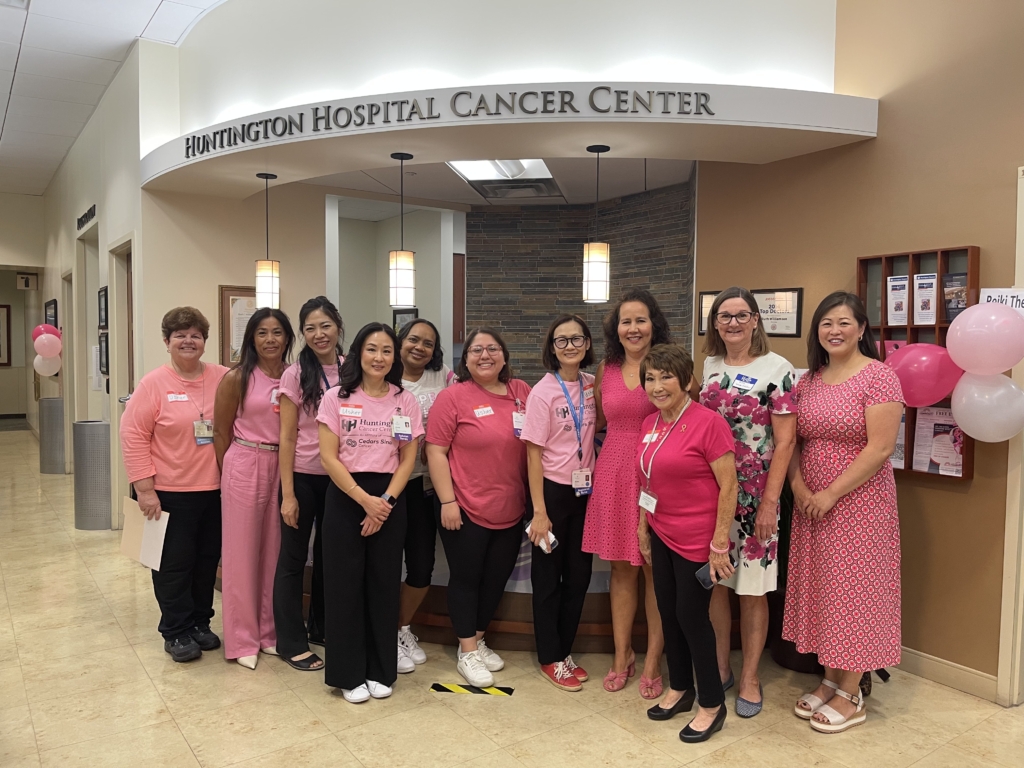
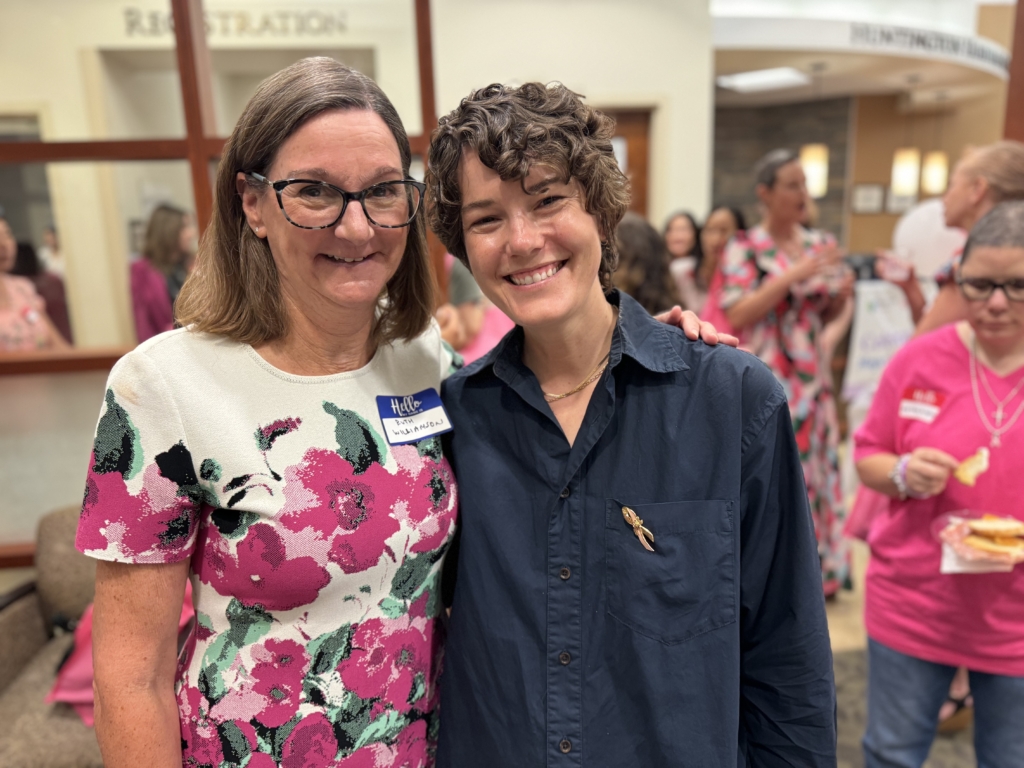
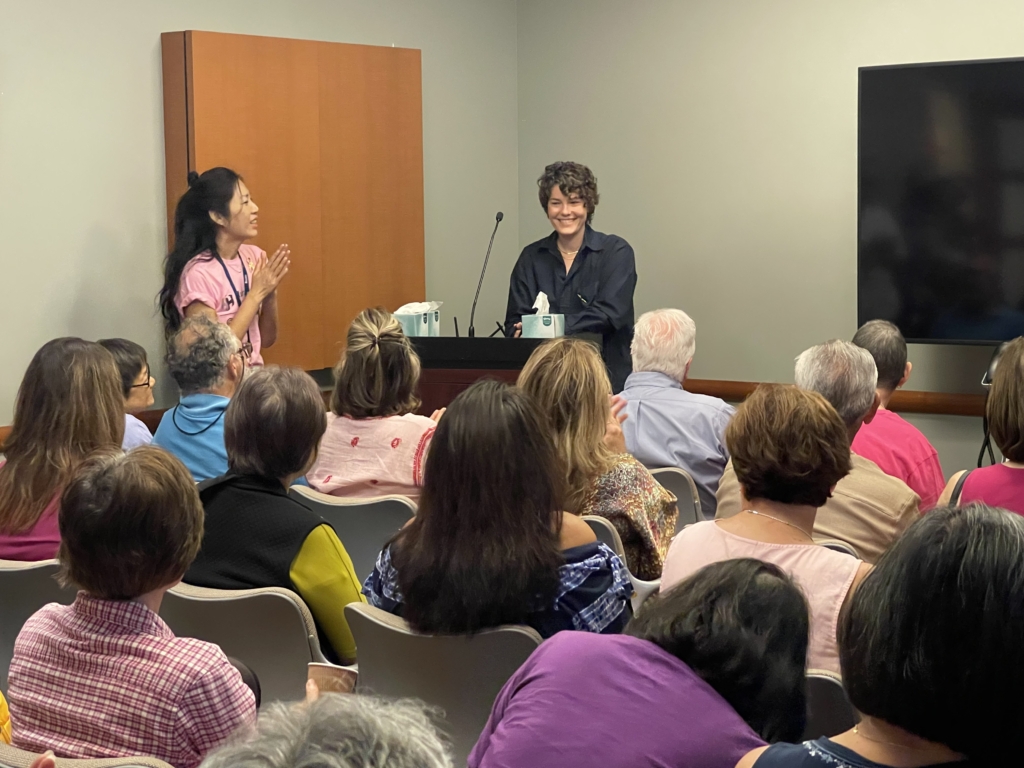
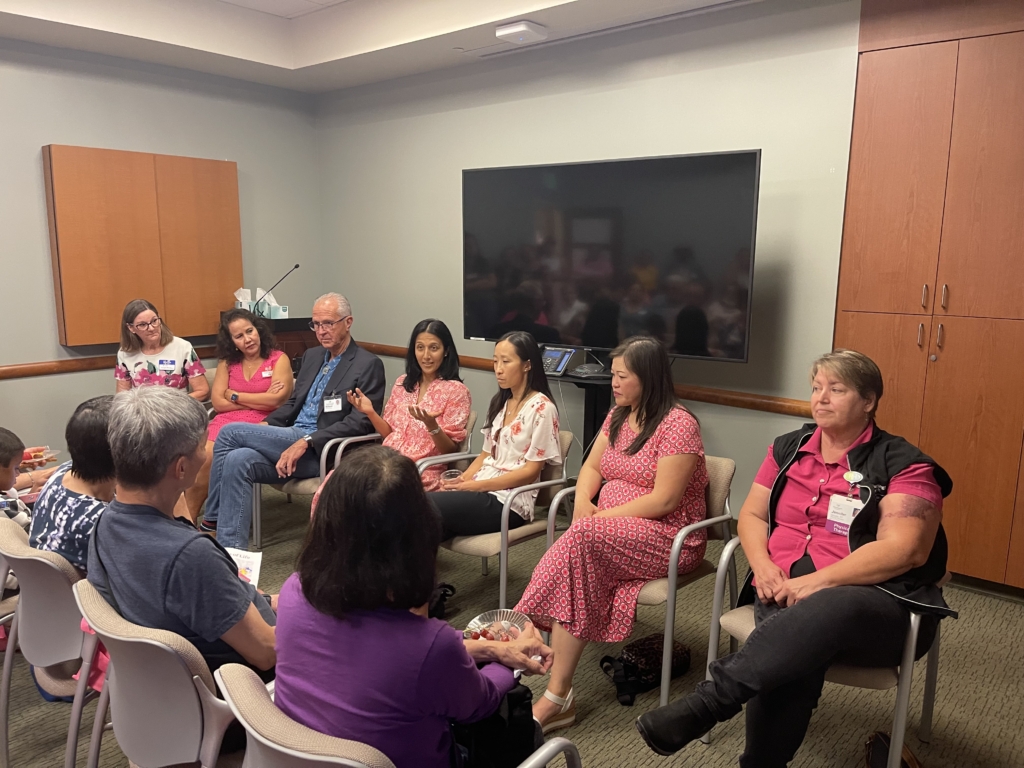
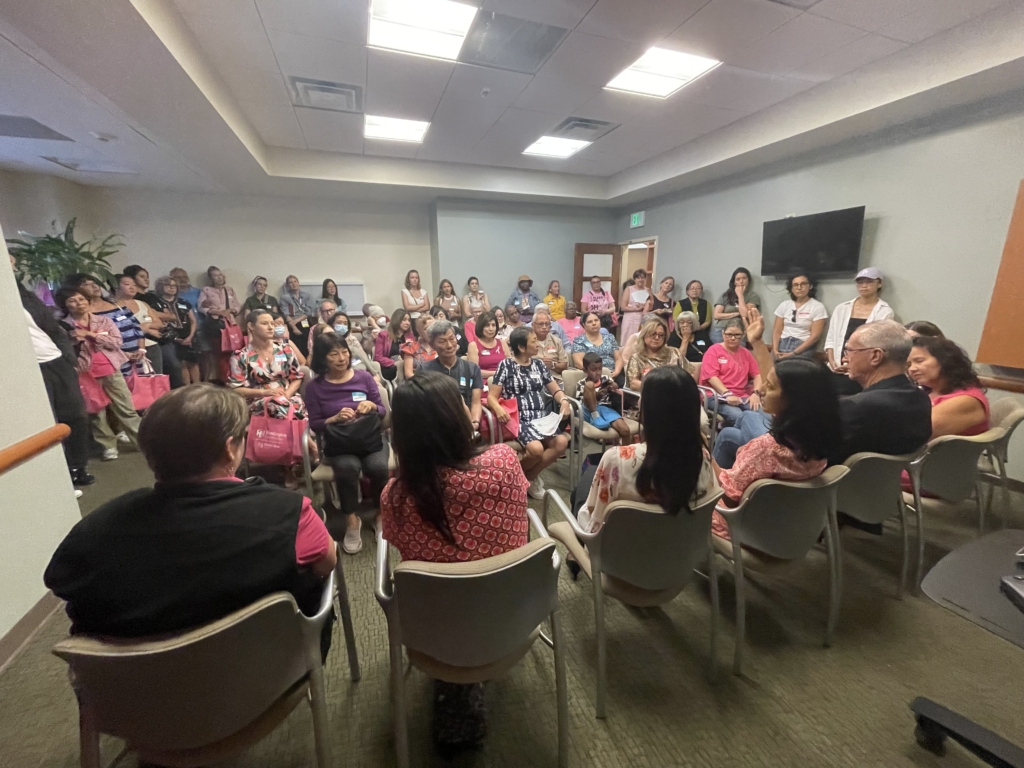
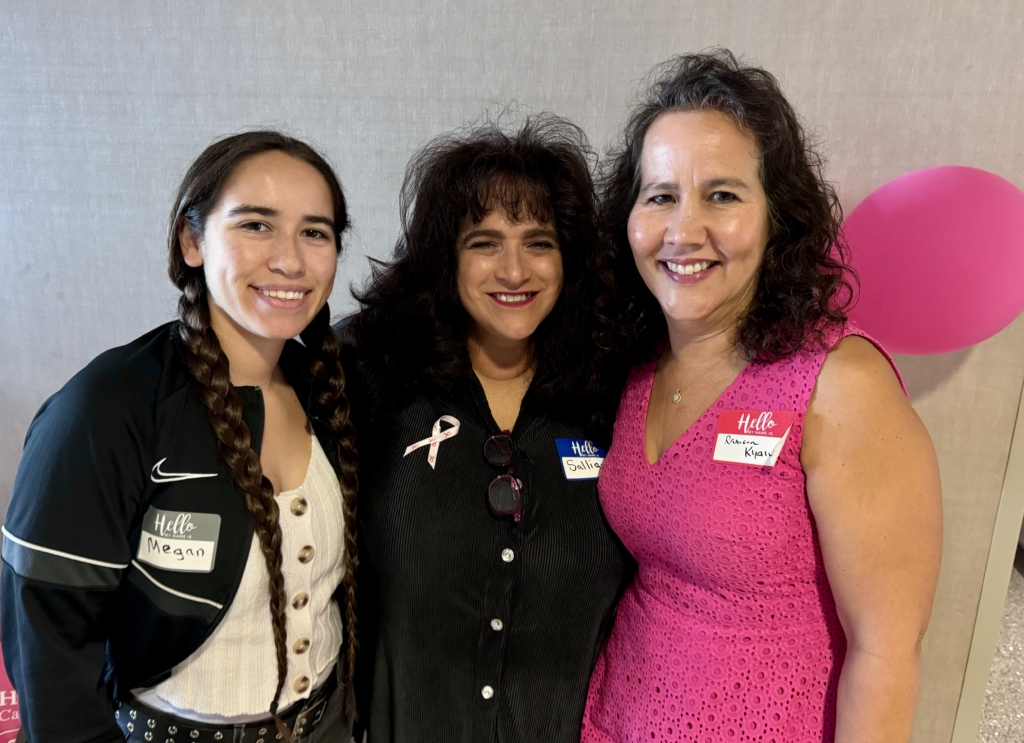
Last month, Huntington Cancer Center, an affiliate of Cedars-Sinai Cancer, hosted a celebration honoring our breast cancer survivors. Guests reconnected with the physicians, nurses and staff who have guided them through cancer treatment, while enjoying delicious food, and music.
One of the highlights of the day was an interactive panel discussion with breast cancer experts in radiology, surgery, medical oncology, and radiation oncology, including:
Christian Diaz, social work, Huntington Health
Jennifer Holden, lymphedema physical therapist, Huntington Cancer Center
Richard Reitherman, MD, medical director of breast imaging, Huntington-Hill
Jeannie Shen, MD, regional medical director of the breast program at Huntington Cancer Center and medical director of Huntington Hospital International Health
Ruth Williamson, MD, medical director of radiation oncology at Huntington Cancer Center
Patients inquired about a wide range of topics related to breast cancer – from diagnosis to the latest in breast cancer treatment and recovery. Dr. Tank reminded the group of attendees, “You are your best advocate for care. There’s not a single risk factor that will point to breast cancer diagnosis. Everyone is different. That’s why we look at the whole person to evaluate care and needs, such as genetics, breast density and family cancer history. And don’t forget, routine mammograms are essential.”
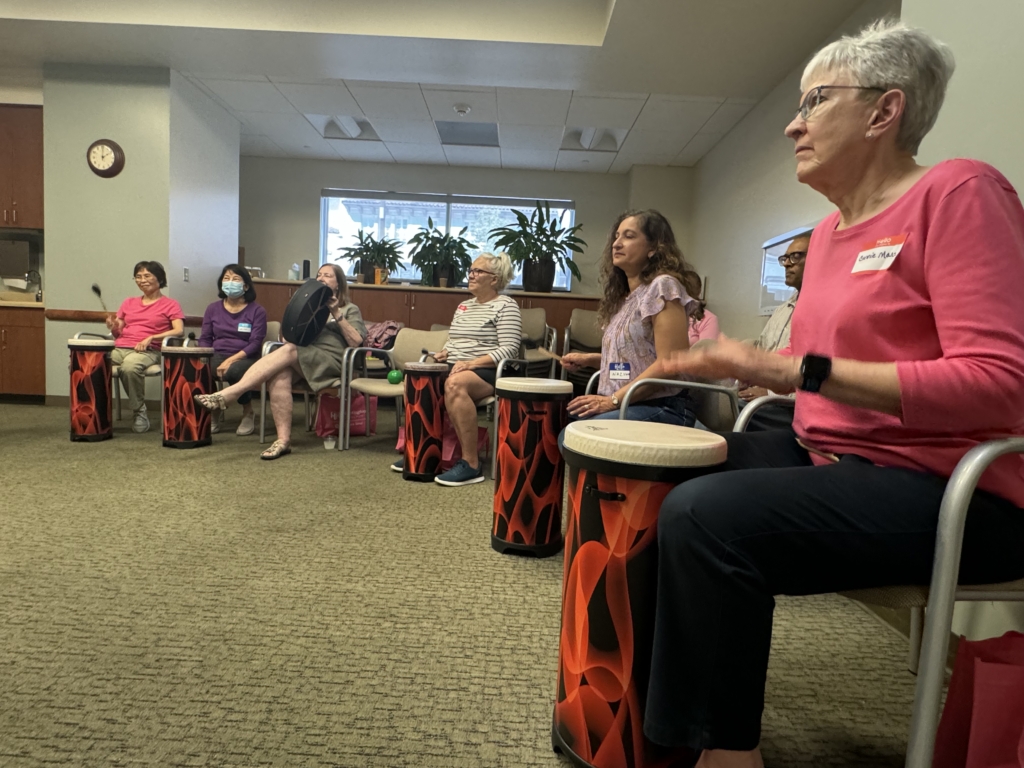
The event concluded with reiki sessions, exercise/movement, a therapeutic drum circle and hair consultations.
Those in attendance were also encouraged to write messages of hope and strength for patients who are currently going through treatment. These sentiments are on display all month long on the two ‘Trees of Hope’ displayed in the clinic and serve as a reminder of our strong community of care and support at Huntington Cancer Center.
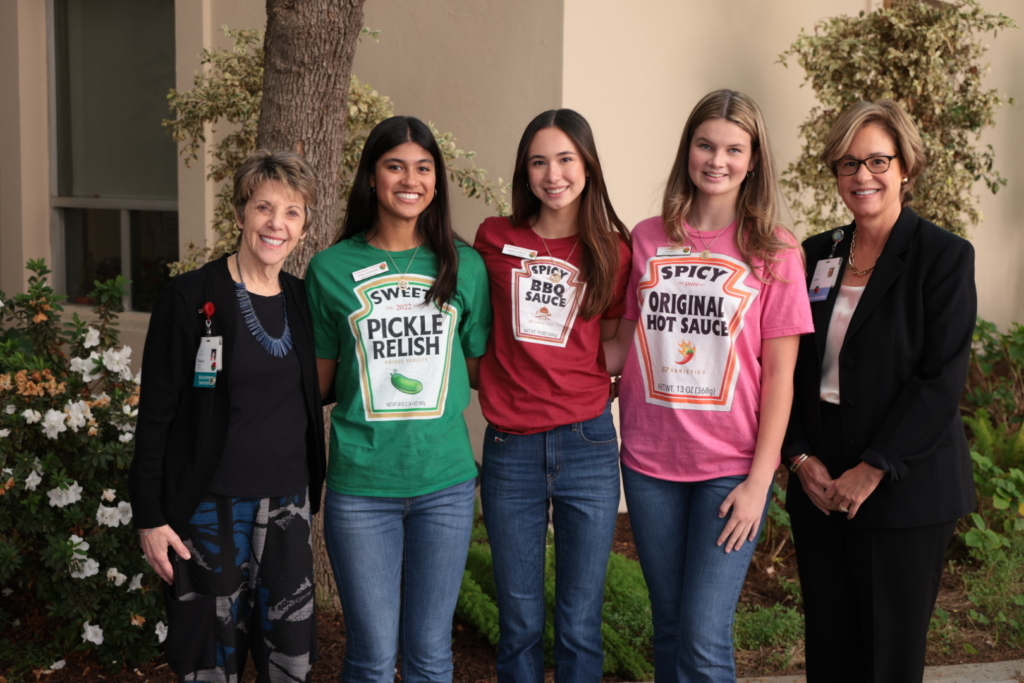
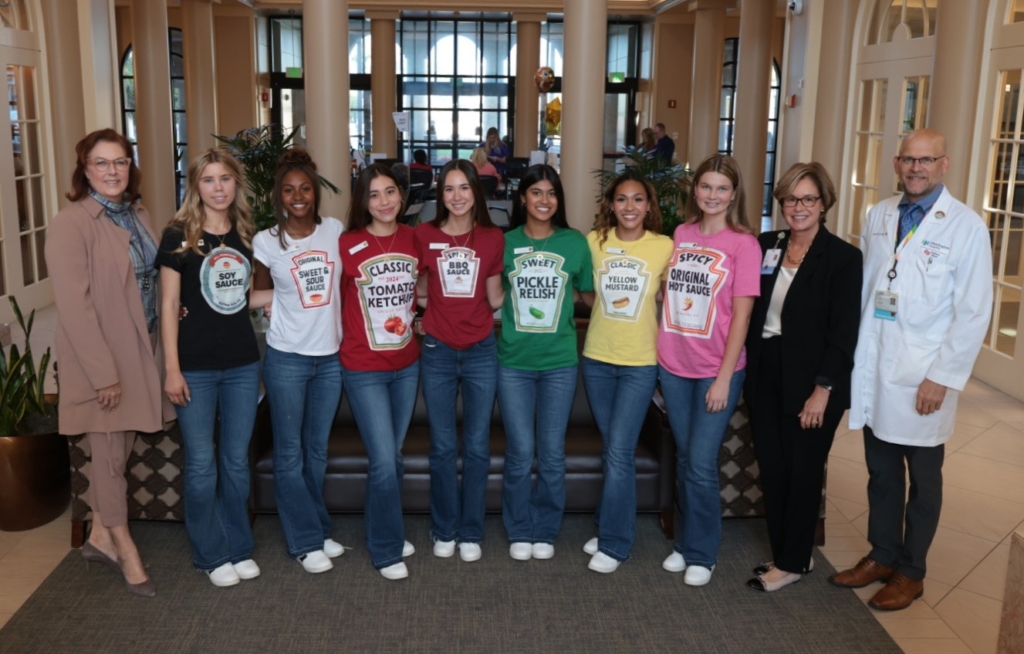
Today, the Tournament of Roses’ 136th Rose Court celebrated Halloween at Huntington Health. The court “trick or treated” in condiment themed costumes to visit Huntington’s pediatric and NICU patients and their families.
“We are so happy to welcome the Rose Court to our hospital for their annual Halloween visit,” said Lori J. Morgan, MD, MBA, president and CEO, Huntington Health. “Halloween is a special holiday for families with babies and kids – we know this visit will help brighten their day.”
Tournament of Roses Royal Court Queen Lindsay Charles and Princesses Natalia Pradhan and Kate Kelly are not new to Huntington Health. All three serve as volunteers, even with their busy royal schedule.
Queen Lindsay shared, “It feels so good to be here today. Huntington Hospital is so intertwined with the community. I was born here, and I have many friends who were born here. When I decided to start volunteering with a hospital one year ago, I knew this was the best place to be. The nurses and clinical care partners are so kind and amazing to work with. I love this community, this hospital, and am so happy to spend today with patients and staff.”
Hundreds of volunteers donate over 100,000 hours annually, helping to make the hospital environment friendly and welcoming. “Our volunteers are a big part of what makes Huntington Health so special,” said Jane Haderlein, senior vice president, philanthropy and public relations. “It gives me a great sense of pride to see all the ways these young adults give back to their community.”
With New Year’s Day just two months away, the team at Huntington look forward to cheering for Lindsay, Natalia and Kate, and the entire Rose Court during the Tournament of Roses Parade.
Queen Lindsay Charles and Princess Lara Georgian were both born at Huntington Hospital!
Court members gave patients and staff “Best Day Ever” friendship bracelets.
Court members visit with pediatric patient.
Jane Haderlein (right), senior vice president, philanthropy and public relations, and Stacy Miller (left), director, volunteer services, with our three Huntington volunteers.
136th Rose Court is greeted by Lori. J Morgan, MD, MBA, president and CEO, Jane Haderlein, senior vice president, philanthropy and public relations, and John Corman, MD, senior vice president, chief clinical officer.
The state-of-the-art facility will be the heart of expert cancer care and specialty care physicians in the San Gabriel Valley
Yesterday, Huntington Health, a Cedars-Sinai affiliate, held a ceremony to celebrate the groundbreaking of a four-story, 100,285- square-feet facility located at 786 South Fair Oaks in Pasadena — across the street from Huntington Hospital’s campus.
The state-of-the-art Kohl Medical Pavilion, named for lead donors Terri and Jerry Kohl, will serve as the brick-and-mortar home for new and expanded clinical programs that combine the power of Huntington’s reputation for a compassionate, individualized approach to care with the breadth and depth of Cedars-Sinai’s award-winning expertise.
“Today, we are thrilled to begin a new chapter in Huntington’s 130-year history of care for our community,” said Lori J. Morgan, MD, MBA, President and CEO, Huntington Health, a Cedars-Sinai affiliate. “The Kohl Medical Pavilion is a testament to our dedication to our community – we are here for you when you need us most with best-in-class medical care right here in the San Gabriel Valley.”
The facility will significantly enhance cancer care capabilities, supporting Huntington Cancer Center, an affiliate of Cedars-Sinai Cancer, oncologists and surgeons who have a dedicated presence at Huntington Health. The building will provide consultation, exam and treatment rooms, enabling physicians and nurses to care for more cancer patients than ever before. It will also include an expanded outpatient infusion center for chemotherapy and access to a variety of clinical trials from Cedars-Sinai Cancer.
“The ground you are standing on today will become the heart of cancer care in the San Gabriel Valley,” said Howard Kaufman, MD, regional medical director of Huntington Cancer Center, an affiliate of Cedars-Sinai Cancer. “According to American Cancer Society, for the first time ever, more than two million people will be diagnosed with cancer this year alone. Now, as part of the largest and most comprehensive cancer program in Southern California, Huntington and Cedars-Sinai are positioned to care for 80% of cancer cases in Los Angeles County, more than all other cancer programs in the region, combined.”
Dr. Morgan added, “In addition to cancer care, the Kohl Medical Pavilion will be the home to physicians specializing in cardiac, vascular, and thoracic care, just to name a few. Our patients will have access to these expert specialists in one convenient location, right in their own backyard — instead of having to travel far and wide.”
Terri and Jerry Kohl and family were celebrated at the ceremony as lead donors to the building along with generous early supporters of the project Shelley Allen and Bob Kohorst. Ceremony attendees included LA County Supervisor Kathryn Barger, City of Pasadena Mayor Victor Gordo, and Pasadena City Council member Jason Lyon. In addition, Huntington Hospital’s Chairman of the Board of Directors, Paul Johnson, and fellow board members Sharon Arthofer, Wayne Brandt, Armando Gonzalez, Ron Havner, R. Scott Jenkins, David Kirchheimer, Pete Kutzer, Brandon Lew, DO, Dan Murray, Mei-Lee Ney, Michelle Quinones Chino, Jaynie Studenmund, Deborah Williams, David Wrigley and Renee Ying attended the celebration. Huntington Health’s executive management team also recognized this momentous occasion.
The Kohl Medical Pavilion will include four floors dedicated to medical care including an infusion center, a testing lab, expansive terraces and an underground parking structure. The building was designed to be LEED certified. Also, landscape design plans incorporated feedback from local neighborhood associations and community members. The building site is also located near public transportation, for easy access. Construction on the Kohl Medical Pavilion is expected to be completed by late 2027.
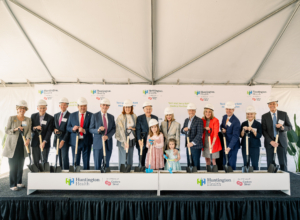
Huntington Health, a Cedars-Sinai affiliate, held a ceremony to celebrate the groundbreaking of the state-of-the-art Kohl Medical Pavilion: (left, right) Jane Haderlein, Senior Vice President of Philanthropy and Public Relations, Huntington Health; David Kirchheimer, Board Member; Wayne Brandt, Board Member; Victor Gordo, Mayor, City of Pasadena; Robbin Cohen, MD, Director of Cedars Sinai Cardiac Surgery at Huntington Health; Lori J. Morgan, MD, MBA, President and CEO, Huntington Health; Jerry Kohl, Terri Kohl – with granddaughters Lily and Iris; Howard Kaufman, MD, Regional Medical Director of Huntington Cancer Center, an affiliate of Cedars-Sinai Cancer; Kathryn Barger, LA County Supervisor; Peter Rosenberg, MD, Chief of Staff, Huntington Hospital; Jaynie Studenmund, Board Member; and Paul Johnson, Chair of the Board of Directors, Huntington Health.
October is Breast Cancer Awareness Month, a time to highlight breast cancer prevention, treatment and care. For many people, the diagnosis of breast cancer in itself, can be a shock – leaving people unsure of where to begin their breast cancer care journey. Fellowship-trained breast surgeon, Jeannie Shen, MD, Regional Medical Director of the Breast Program and International Health at the Huntington Cancer Center, an affiliate of Cedars-Sinai Cancer, offers her advice to help navigate the initial diagnosis and tips to help find the right breast surgeon for you.
Huntington: What should patients look for in a breast surgeon?
Dr. Shen: A breast surgeon should be knowledgeable, compassionate and willing to spend time with their patient and patient’s family to help them understand the diagnosis and treatment options. Treatments for breast cancer are evolving so rapidly – with clinical studies in screening/diagnostics, perioperative enhanced recovery after surgery protocols, new “de-escalated” surgical techniques, shorter radiation protocols and new systemic medications. A surgeon who takes care of breast cancer patients should have knowledge of these studies and be able to translate that knowledge into a language that helps patients understand their choices. Surgeon’s love being in the operating room, but as a breast surgeon, the time we spend with patients in the office is equally as important.
Huntington: How do you customize your breast cancer treatment for the patient?
Dr. Shen: No two patients are alike, and decisions regarding an optimal surgical plan, need for/type of/duration of radiation, chemotherapy and hormonal therapy and balancing effectiveness while minimizing side effects of medical therapies are all unique to that individual. Additional considerations may include:
Genetic testing: Because most breast cancer is not hereditary, genetic testing is not currently recommended for every breast cancer patient. Criteria for genetic testing include diagnosis before age 50, three or more relatives with breast cancer diagnosed at any age, history of ovarian cancer, pancreatic metastatic prostate cancer and melanoma, or male breast cancer in the family. The Cedars-Sinai Clinical Cancer Genetics team provides counseling and testing (if indicated) at the Huntington Cancer Center. Patients can be referred through their surgeon, radiologist, medical oncologist or primary care physician. For patients who meet criteria for testing, most major insurance plans will cover the cost of testing. For those patients whose insurance does not cover the cost of testing, affordable payment options are available.
Side effects: Patients should ask their physician about anticipated side effects and inquire about treatments available to help alleviate these side effects.
Integrative oncology: This is defined as incorporating complementary therapies (e.g., acupuncture, massage therapy, guided meditation) to standard care with the goal of helping to alleviate the side effects of surgery, radiation and medications. While medications can help relieve these symptoms, often patients are reluctant to take another prescription medication just to alleviate the side effects of the first medication. Studies show that integrative oncology therapies can be very effective in helping relieve symptoms and improve quality of life in breast cancer survivors.
Transportation: While we are fortunate to be able to care for patients right here in the San Gabriel Valley, it’s important that patients have access to transportation to and from treatment should they need assistance. Huntington Cancer Center works with the American Cancer Society to offers transportation for select patients, based on individual need and availability of resources.
Clinical trials: As a Cedars-Sinai affiliate, the Huntington Cancer Center has active trials evaluating new options for surgery, radiation and systemic (medical) therapies. Clinical trials can help test new ways to prevent, diagnose and treat cancer, help researchers learn more about cancer to aid future patients, develop new treatments for cancer, improve quality of life for people with cancer, and give participants access to the latest advances in treatment that are under study which may not be available to people outside the trial. Studies show that high-enrollment rate to clinical trials leads to faster treatment advances and improvement in cancer outcomes and quality of life for cancer survivors.
Thank you, Dr. Shen for this excellent information! Unfortunately, breast cancer is still common, according to the American Cancer Society, 1 in 8 women will develop breast cancer in her lifetime (to age 90). Huntington Cancer Center physicians and nurses work tirelessly to ensure that patients are offered access to the latest treatments available, tailored to their specific needs, as well as support groups and resources. For more information about breast cancer care at Huntington Cancer Center, go to www.huntingtonhealth.org/cancer.
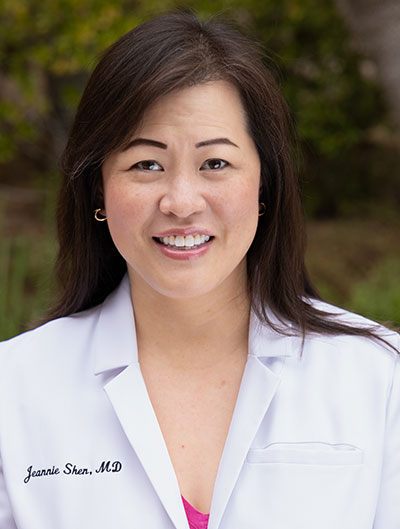
Jeannie Shen, MD, is a board-certified general surgeon and a fellowship-trained breast surgeon with two decades of experience. She serves as regional medical director of the breast program at Huntington Cancer Center and medical director of Huntington Hospital International Health.
Breast Cancer Survivor Kailee McGee Is Cancer-Free and Produced an Award-Winning Short Film About Her Journey
After her stage 4 breast cancer diagnosis, independent filmmaker Kailee McGee decided not to leave her director’s chair. Instead, she leaned in and produced an award-winning short film about her experience. And, thanks to her care team at Cedars-Sinai Cancer and Huntington Cancer Center, today McGee is cancer-free.
Kailee McGee is excited to be cancer-free today. Photo courtesy of Kailee McGee.
“I’m on the other side of active treatment,” said McGee, who turned 37 in August. “I did chemotherapy, I had a double mastectomy, and I had radiation, and I’m still currently on an immunotherapy drug. But I want to point out that I’m cancer-free. I’ve been cancer-free for a while. I’ve gotten several clean scans, and that is just so exciting.”
After feeling a lump and having a mammogram and other tests, McGee was diagnosed with triple-negative breast cancer, an especially difficult type to treat. That’s because triple-negative cancer cells lack surface proteins that would make them vulnerable to estrogen receptor-targeted therapy or HER2-targeted therapy. Triple-negative is a rare type of the disease, representing only 10%-15% of breast cancers.
“Also, with treatments such as chemotherapy, those triple-negative breast cancers often outsmart the treatment. Fortunately, the addition of immune checkpoint inhibitors to the chemotherapy backbone represents a breakthrough in treating these cancers,” said McGee’s oncologist, Yuan Yuan, MD, PhD, director of Breast Medical Oncology at Cedars-Sinai Cancer. “Huntington Cancer Center is an affiliate of Cedars-Sinai Cancer, so we were able to offer Kailee leading-edge treatment close to her home.”
Yuan Yuan, MD, PhD
The cancer had spread from the breast to the lymph nodes in McGee’s neck, and Yuan recommended treating it aggressively. McGee underwent 16 rounds of chemotherapy, along with immunotherapy to help her immune system attack the cancer. After six months of therapy, she had a complete clinical response and the Cedars-Sinai Huntington Health tumor board decided to proceed with a double mastectomy. The surgery, performed by breast oncology surgeon Amy Polverini, MD, was followed by radiation treatment.
Ruth Williamson, MD, medical director of Radiation Oncology at Huntington Cancer Center, an affiliate of Cedars-Sinai Cancer, was McGee’s radiation oncologist. Williamson said that there was no evidence of active cancer after McGee’s chemotherapy and immunotherapy, and that radiation therapy reduced the risk that her cancer would return by 75%-80%.
“If there’s one cell left behind in the regional lymph nodes, the cancer comes back,” Williamson said. “The radiation is extremely effective for targeting the areas where it might come back, and increasing the chance that Kailee is going to be cured of this disease.”
In the middle of treatment, McGee decided to write, produce, direct and star in a film about her experience. Called “Can,” the film won the Audience Award at South by Southwest Film Festival earlier this year.
“Creating art has always been the way that I’ve processed my own life, and the world, and what’s inspiring me or haunting me,” McGee said. “So I didn’t really know what else to do to make sense of this experience.”
At Kailee’s side throughout was her partner, JP Bolles, also a filmmaker and director.
Ruth Williamson, MD
“I think it was incredible to see Kailee have such a drive to do something,” Bolles said, “to take the experience that she was having and make art with it, and just how beautiful that is.”
McGee credits Bolles and her film project with creating a healing environment for her.
“I know that part of the reason that I was so optimistic and strong going through this journey was because of the support that I had from JP and from my family and friends,” McGee said. “I created this community with my collaborators and my friends to heal with me in the moment. It gave me a job and a purpose, and it gave me something to think about that wasn’t just going to doctor appointments and getting treatment.”
Rather than focusing on her cancer treatment, McGee’s film centers around what she calls her “existential identity crisis,” examining what it means to be a woman and an artist, and her inner struggle during treatment.
“At the beginning of cancer, I couldn’t wait for it to be over so I could close that chapter and never have to think about cancer again,” McGee said. “And now my reality is that in so many different ways—health and spiritually and community-wise—cancer is just part of who I am, and it’s part of my life, and it’s part of my story, and the journey continues, and acceptance of that is what I want to share with this film.”
After breast reconstruction surgery later this year with James Andersen, MD, McGee will continue to be monitored by Yuan—through imaging and a new type of test that looks for cancer DNA in her blood—to make sure she stays cancer-free.
Both Yuan and Williamson found McGee’s film eye-opening, and believe it has important messages for breast cancer survivors—and all women.
“I thought it was a beautiful way of letting women with breast cancer understand, especially those who have gone through a mastectomy, that those self-image issues and those personal issues are somewhat universal,” Williamson said, “and that we can talk about them and identify those issues and help.”
 English
 Espanol
 简体中文
简体中文 Tagalog
 հայերեն
 한국인
한국인 Tiếng Việt
 فارسی
فارسی русский
 日本
日本 عربي
عربي