Here for a Healthier Community

Taking Care of Your Gastrointestinal Health

Taking Care of Your Gastrointestinal Health

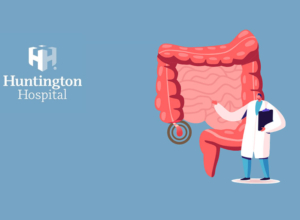
A smooth-running gastrointestinal (GI) tract, or gut, does what it should: breaks down food into nutrients that the body can use for energy, growth, and cell repair, and it effectively gets rid of waste. Containing “good” bacteria and immune cells, a healthy gut also plays a big role in fending off pathogens—an essential part of the immune system. Additionally, the gut and the brain are closely connected: the bacteria in the gut produce neurochemicals, including the “feel-good” hormone, serotonin, that the brain scoops up to regulate processes like learning, memory, and mood. The GI system performs so many vital functions outside of digestion—from protecting us from microscopic invaders to having connections with the brain—it’s easy to see why GI health is essential.

GI maintenance

Huntington Hospital’s Medical Director of Gastroenterology, Richard Nickowitz, MD, offers some guidelines on how to maintain GI health: “Eating a healthy, well-balanced diet with an ongoing regimen of exercise and weight control is of utmost importance. In general, we recommend a relatively low-fat diet with good dietary fiber as well as moderate consumption of red meat and alcohol.”

In addition to a gut-friendly diet and exercise, Johns Hopkins Medicine suggests adding these GI-healthy tips to the mix: get more sleep, manage stress, and get help for anxiety and depression.

It’s also important to get checkups, which, thanks to National Colorectal Cancer Awareness Month, we are reminded every March to make that potentially lifesaving colonoscopy appointment. The American Cancer Society (ACS) estimates the U.S. will have over 150, 000 cases of colorectal cancer in 2022. But with early detection and intervention, well over half of those lives will be saved. The ACS recommends colon cancer screening to begin at age 45, or sooner for patients with a family history of colon cancer.

Warning signs of GI illness

GI conditions can come in many forms: gastroesophageal reflux (heartburn), peptic ulcer disease, irritable bowel syndrome, diverticulitis, gallbladder, and biliary tract disease, colon polyps, cancer, and hepatitis. According to the National Library of Medicine, one or more of the following symptoms may point to GI illness:

  • Bleeding
  • Bloating
  • Constipation
  • Diarrhea
  • Heartburn
  • Fecal incontinence
  • Nausea and vomiting
  • Abdominal pain
  • Swallowing problems
  • Weight gain or loss

Former Huntington Hospital patient Caesar Penney knows about GI red flags firsthand. In 2021 at the height of the pandemic, Caesar was suddenly stricken with severe abdominal pain. Thinking it would improve on its own, he waited, but the pain only increased. After he passed out at a local hospital’s emergency department, he later learned that he had a severe bowel infection caused by diverticulitis, a chronic GI disease. He would need surgery to remove the infected tissue in his colon.

Wanting the best care for his health, his search led him to Huntington Hospital surgeon Wes Powell, MD. “Dr. Powell made me feel like I was at the right place for the healthcare that I needed,” he remembered. “Everyone acknowledged my fear, always asked how I was feeling and made me feel comfortable. It’s a reflection of the type of institution Huntington Hospital is.”

Caesar is in good company with those who laud Huntington Hospital’s medical and surgical GI care. Healthgrades, the leading resource that connects consumers, physicians, and health systems, recently evaluated Huntington Hospital’s performance (among 4,500 other hospitals nationwide) and named Huntington a Five-Star Recipient for Treatment of Gastrointestinal Bleeding in 2022. This is significant because patients in Five-Star hospitals have a 78.6% lower risk of dying than if they were treated in hospitals with one star.*

Identifying disease

Ways in which GI doctors identify disease start with taking a history and performing a physical examination. Often a blood test, an abdominal ultrasound, or a CT scan of the abdomen and pelvis may also be requested. In addition to colonoscopies, gastroenterologists perform upper endoscopies, enteroscopies, and flexible sigmoidoscopies.

GI advances

Another procedure called endoscopic retrograde cholangiopancreatography (ERCP) is used to visualize the common bile duct and the pancreatic duct and treat any stones or tumors found there. Huntington Hospital is the first healthcare facility in the San Gabriel Valley to use disposable ERCP scopes, which is a significant safety advancement that reduces the risk of secondary infection—a rare complication associated with reusable ERCP scopes.

GI care

In a nutshell, gut health equals overall health—physical, mental, and emotional well-being—so it’s vital to take good care of your gut and yourself.

If you are experiencing GI issues, require a diagnostic test, or need surgery, take control of your GI health today. Learn more about gastroenterology care at Huntington Hospital or find a Five-Star local gastroenterologist.

References

https://www.apa.org/monitor/2012/09/gut-feeling
https://www.hopkinsmedicine.org/health/wellness-and-prevention/your-digestive-system-5-ways-to-support-gut-health
https://medlineplus.gov/ency/article/007447.htm
https://www.cancer.org/research/cancer-facts-statistics/colorectal-cancer-facts-figures.html

* Statistics are based on Healthgrades analysis of MedPAR data for years 2018 through 2020 and represent three-year estimates for Medicare patients only.

Huntington Hospital Earns Top Score in Human Rights Campaign Foundation’s 2022 Healthcare Equality Index

Huntington Hospital Earns Top Score in Human Rights Campaign Foundation’s 2022 Healthcare Equality Index

Huntington is one of 496 healthcare providers nationwide earning the coveted

“LGBTQ+ Healthcare Equality Leader” designation

Today, Huntington Hospital has received an evaluation of 100 and the designation of “LGBTQ+ Healthcare Equality Leader” in the Human Rights Campaign Foundation’s 15th anniversary edition of the Healthcare Equality Index (HEI), the nation’s foremost benchmarking survey of healthcare facilities on policies and practices dedicated to the equitable treatment and inclusion of their LGBTQ+ patients, visitors and employees. A record 906 healthcare facilities actively participated in the 2022 HEI survey and 496 of those earned an “LGBTQ+ Healthcare Equality Leader” designation.

“This is an important day in the history of Huntington,” said Pamela Weatherspoon, Vice President, Enterprise Diversity, Equity and Inclusion, Huntington Hospital. “While this designation is a significant achievement, we understand that our work is a journey. We’re proud of our continued efforts to build a culture at Huntington that embraces diversity, equity and inclusion, and we are committed to ensuring equity in all aspects of our work.”

“A year ago, Pamela joined our organization to identify areas of improvement and strengths for caring for the LGBTQ+ community,” said Lori J. Morgan, MD, MBA, president and CEO, Huntington Hospital. “In this short time, we have made long strides – and during a pandemic, no less. Huntington is a place for health and healing for all, and I could not be more proud of the HEI achievement. To our employees, nurses and affiliated physicians, thank you for your continued support, sharing your voice, and for your ongoing involvement in making Huntington diverse, inclusive and equitable, as a workplace and for our community.”

The HEI evaluates and scores healthcare facilities on detailed criteria falling under four central pillars:

  • Foundational Policies and Training in LGBTQ+ Patient-Centered Care;
  • LGBTQ+ Patient Services and Support;
  • Employee Benefits and Policies; and,
  • Patient and Community Engagement.

“Every person deserves to have access to quality healthcare, be respected and heard by their doctor, and feel safe in the facility where they are receiving care. But LGBTQ+ people are often subject to discrimination in all spaces, including healthcare facilities, which leads to members of the community avoiding care and anticipating our voices will not be respected in an incredibly vulnerable environment,” said Tari Hanneman, Director of Health & Aging at The Human Rights Campaign. “The Healthcare Equality Index, at its core, strives to ensure LGBTQ+ people are protected and affirmed by their healthcare providers and feel safe seeking services. Our HEI active participants are truly pioneering the healthcare industry by implementing robust, comprehensive LGBTQ+ inclusive policies that hopefully, because of their work, will become standard practice.”

In the 2022 report, an impressive 496 facilities earned HRC’s “LGBTQ+ Healthcare Equality Leader” designation,receiving the maximum score in each section and earning an overall score of 100. Another 251 facilities earned the “Top Performer” designation with scores between 80 and 95 points and at least partial credit in each section. With 82% of participating facilities scoring 80 points or more, health care facilities are demonstrating concretely that they are going beyond the basics when it comes to adopting policies and practices in LGBTQ+ care.

The remarkable progress reflected in the 2022 HEI includes:

  • 93% of participants met the HEI’s training requirements, completing more than 200,000 hours of staff training in LGBTQ+ patient-centered care.
  • 82% of participating facilities earned either the Leader or Top Performer.
  • 99% of HEI participants documented that they include both “sexual orientation” and “gender identity” in their patient non-discrimination policy.
  • 99% of HEI participants documented that they include both “sexual orientation” and “gender identity” in their employment nondiscrimination policy.
  • 81% of HEI participants offer transgender-inclusive healthcare benefits to their employees, up from 75% in 2019, which was the first year this it was required in order to obtain Leader status. 2020.

In addition to active survey participants, the HRC Foundation proactively researched the key policies for LGBTQ+ inclusion at over 1,300 non-participating hospitals. Unfortunately, these research hospitals were much less likely to have LGBTQ+ non-discrimination policies in place, which is a stark contrast to the near-perfect adoption by active participants. Among the researched hospitals in which we were able to find or obtain enumerated patient non-discrimination policies, only 70% have policies that include both sexual orientation and gender identity compared to 99% of HEI participants.

The Human Rights Campaign Foundation is the educational arm of the Human Rights Campaign (HRC), America’s largest civil rights organization working to achieve equality for lesbian, gay, bisexual, transgender and queer (LGBTQ+) people. Through its programs, the HRC Foundation seeks to make transformational change in the everyday lives of LGBTQ+ people, shedding light on inequity and deepening the public’s understanding of LGBTQ+ issues, with a clear focus on advancing transgender and racial justice. Its work has transformed the landscape for more than 15 million workers, 11 million students, 1 million clients in the adoption and foster care system and so much more. The HRC Foundation provides direct consultation and technical assistance to institutions and communities, driving the advancement of inclusive policies and practices; it builds the capacity of future leaders and allies through fellowship and training programs; and, with the firm belief that we are stronger working together, it forges partnerships with advocates in the U.S. and around the globe to increase our impact and shape the future of our work.

# # #

Sun Safety

Sun Safety

Spending time outdoors is a great way to be physically active, reduce stress and get vitamin D. Too much sun, though, can cause skin cancer — the most common cancer in the U.S. Most skin cancers are caused by too much exposure to ultraviolet (UV) light. Protection from UV rays is important all year, not just during the summer. Even on an overcast day, up to 80% of the sun’s UV rays can get through the clouds, and they reflect off of surfaces like water, sand and snow.

Here are a few ways you can help protect your skin from the sun whenever you’re outdoors:

  • Limit your time in the sun. The sun’s rays are the most intense from 10 a.m. to 2 p.m., so consider reducing your exposure during these hours.
  • Find the shade. Try to stay in the shade under an umbrella, tree or other shelter as much as possible.
  • Dress with care. Wear a hat that has a brim all the way around — one that shades your face, ears and the back of your neck. You may also want to wear long sleeves or long pants to protect from UV rays. If you’re at the beach and this type of clothing isn’t practical, at least throw on a T-shirt or a cover-up. Sun-protective clothing is also available to purchase at some stores.
  • Wear sunglasses. Your eyes need protection, too. Remember to bring along a pair of sunglasses be­fore enjoying a day in the sun. Look for sunglasses with a label indicating they protect you from UV rays.
  • Use sunscreen. It’s very important to wear sunscreen every day, even if it’s cloudy. The CDC suggests using a sunscreen with a sun protection factor (SPF) value of 15 or higher that offers broad-spectrum protection from both ultraviolet A (UVA) and ultraviolet B (UVB) rays. One coat of sunscreen doesn’t last all day, so reapply every hour or more often if you’re sweating or swimming. Be sure to apply sun­screen evenly to all uncovered skin, including your lips, nose, ears, neck, hands and feet.

People of all skin colors are at risk for the harmful effects of UV rays, so always protect yourself. Be especially careful if you have:

  • pale skin.
  • blond, red or light brown hair.
  • been treated for skin cancer.
  • a family member who has had skin cancer.

Don’t forget to keep the kids safe in the sun, too. All of these tips are important for them, including hats and sunglasses. Safe sun habits should start young.

Sources: CDC; and FDA.

Physician Joins Rescue Team to Treat Ukraine Orphans, Escort to Safety

Physician Joins Rescue Team to Treat Ukraine Orphans, Escort to Safety

Volunteers Aim to Unite Orphans with Adoptive Families in U.S.

Huntington Hospital affiliated-physician John Rodarte, MD, traveled to Ukraine this week on a humanitarian mission to rescue two dozen special needs orphans from the war-torn country.

Rodarte has teamed up with a global group of volunteers for the mission being led by nonprofit organizations Exitus and Third Wave Volunteers.

“These special-needs kids are, from what we understand, also quite ill–many of them are malnourished, they had been receiving medications and no longer receiving medications once the war started,”  Rodarte said. “We expect them to be quite sick.” 

The volunteers, which include other healthcare professionals, will be tending to the children’s medical needs while escorting them out of Ukraine. The goal:  Flying the orphans to the U.S. on a chartered medical flight, where the children will be united with adoptive families. Dr. Rodarte, a pediatrician with Huntington Health Physicians, said he is driven by a desire to help others.

“I do search and rescue with the LA County Sheriff’s department, so I’m used to going into situations that might be difficult. This one’s different, this one isn’t in the mountains or anything like that, but I have skills that could be utilized, I had the opportunity and was invited, and it just felt like something I just had to do,” he said.  

Huntington Hospital is an affiliate of Cedars-Sinai Health System.

See the video below:

Taking charge: preventing more than just COVID-19

Taking charge: preventing more than just COVID-19

During the pandemic, many adults have been hesitant to visit their healthcare providers. Postponing preventive care appointments, however, can be risky. Providers have developed reliable protocols to help keep you safe. Now is the time to stop putting off necessary preventive care and start putting your health first. 

Medical care

Even during the COVID-19 pandemic, other illnesses haven’t taken a break. Preventive care helps detect diseases and other medical problems before they can become more serious. Some examples of preventative health services include:

•  Annual check-up. Visiting your doctor once a year is essential in catching health concerns early, before they become major medical problems.

Mammogram. Routine x-rays of breast tissue to check for any signs of cancer or other abnormalities.

Colonoscopy. An exam that is used to find problems in the colon or rectum, including colon cancer.

PSA blood test. Screening for prostate cancer.

Pap test and/or HPV test. Screening for cervical cancer.

Immunizations. In addition to the COVID-19 vaccine, other important shots for older adults include the flu vaccine, the pneumococcal vaccine and the shingles vaccine.

Depending on your age, family history and other factors, you may also need additional preventive care.

And, of course, if you think you have a medical problem that’s urgent, don’t postpone treatment. You may complicate your condition or make your recovery more difficult.

Dental care

If you haven’t seen your dentist in a while, now is the time to make an appointment. Keeping up with dentist appointments is particularly important for older adults, as certain oral health issues are associated with aging teeth and gums.

There is also a connection between oral health and overall health: Some chronic diseases associated with age — such as diabetes, osteoporosis, and heart disease — can manifest themselves in the mouth. Additionally, research suggests that gum disease may even contribute to certain conditions prevalent in older adults, including heart disease, stroke and respiratory problems.

Vision care

Do not delay a visit to your eye care professional — especially if you are older. Some age-related eye conditions can irreparably damage your vision if not treated in a timely manner, including cataracts, age-related macular degeneration (ARMD) and glaucoma. Vision problems may develop with no noticeable symptoms until advanced stages, so it’s important to make regular preventive appointments.

Sources: CDC; AARP; Bausch + Lomb; and Delta Dental

Huntington Hospital Named America’s 100 Best for Cardiac Care and Coronary Intervention for Third Year in a Row

Huntington Hospital Named America’s 100 Best for Cardiac Care and Coronary Intervention for Third Year in a Row

Huntington Hospital is one of America’s 100 Best Hospitals for Cardiac Care and Coronary Intervention for the third year in a row according to new research released by Healthgrades, the leading resource that connects consumers, physicians and health systems. Every year, Healthgrades evaluates hospital performance at nearly 4,500 hospitals nationwide for 31 of the most common inpatient procedures and conditions.*

The hospitals that have achieved the Healthgrades America’s 100 Best Hospitals for Cardiac Care and Coronary Intervention have demonstrated exceptional quality of care. For the 2022 Report to the Nation, Healthgrades compared America’s 100 Best Hospitals award recipients as a group, to all other hospitals as a group, and found:

  • From 2018-2020, patients treated at hospitals receiving the America’s 100 Best Hospitals for Cardiac Care Award have, on average, 27.8% lower risk of dying than if they were treated in hospitals that did not receive the award.*
  • From 2018-2020, patients treated at hospitals receiving the America’s 100 Best Hospitals for Coronary Intervention Award have, on average, 46.6% lower risk of dying than if they were treated in hospitals that did not receive the award.*

“Consumers can feel confident in the America’s 100 Best Hospitals for Cardiac Care and Coronary Intervention for their commitment to quality care and exceptional outcomes. The recognition helps provide peace of mind when selecting a place for care,” said Brad Bowman, MD, chief medical officer, Healthgrades.

In August 2021, Huntington Hospital opened the Helen and Will Webster Heart & Vascular Center, the most comprehensive and innovative facility for cardiac care in the San Gabriel Valley. The center offers a full spectrum of cardiology services – including screening and diagnostic tests, advanced medical and surgical treatments, and cardiac rehabilitation and education programs.

“I’m so proud our hospital has been named one of Healthgrades America’s 100 Best for Cardiac Care and Coronary Intervention for three consecutive years,” said Alex Durairaj, MD, medical director of cardiovascular services, Huntington Hospital. “As we recognize heart month, we are reminded of the impact of heart disease. These designations reflect the commitment of our dedicated, skilled interventional cardiologists and cardiac rehabilitation team and the leading-edge heart care our new center offers our patients.”

Huntington Hospital was also recognized for the following clinical achievements:

  • Recipient of the Healthgrades Cardiac Care Excellence Award™ for 3 Years in a Row (2020-2022)
  • Recipient of the Healthgrades Coronary Intervention Excellence Award™ for 3 Years in a Row (2020-2022)
  • Named Among the Top 5% in the Nation for Cardiology Services for 2 Years in a Row (2021-2022)
  • Named Among the Top 5% in the Nation for Coronary Interventional Procedures for 3 Years in a Row (2020-2022)
  • Named Among the Top 10% in the Nation for Overall Cardiac Services for 3 Years in a Row (2020-2022)
  • Named Among the Top 10% in the Nation for Cardiology Services for 3 Years in a Row (2020-2022)
  • Five-Star Recipient for Coronary Interventional Procedures for 4 Years in a Row (2019-2022)
  • Five-Star Recipient for Treatment of Heart Attack for 3 Years in a Row (2020-2022)
  • Five-Star Recipient for Treatment of Heart Failure for 5 Years in a Row (2018-2022)

To see the complete list of awards, visit: https://www.healthgrades.com/quality/hospital-ratings-awards. To view the complete methodology, visit: https://www.healthgrades.com/quality/ratings-awards/methodology.

###


* Statistics are based on Healthgrades analysis of MedPAR data for years 2018 through 2020 and represent three-year estimates for Medicare patients only.

Congratulations to DAISY Award winner, Katelyn Walker, RN

Congratulations to DAISY Award winner, Katelyn Walker, RN

As a designated Magnet hospital, Huntington Hospital is a recognized leader in nursing excellence. Every day, our nurses go above and beyond for our patients, and we are proud to recognize them for their efforts. Huntington most recently celebrated DAISY Award winner, Katelyn Walker! She was nominated by a patient who wrote the following:

“Katelyn sat down to talk to me about my experience and recovery. She went out of her way to bring me specialty items; she was a lifesaver. Katelyn also sat with me to console me and make sure I was OK mentally due to various reasons; it was a difficult time for me. She was so amazing, and I felt safe and comforted by her. The staff was fantastic, but Katelyn stood out; she helped me on a personal level. We cried together and shared similar stories. I feel so blessed for the staff that took care of me; I’m especially thankful for Katelyn.”

Thank you, Katelyn, for your compassionate care to our patient and congratulations on this special recognition!

Sleeping Soundly Improves Heart Health

Sleeping Soundly Improves Heart Health

According to the National Heart, Lung, and Blood Institute of the National Institutes of Health, 50 to 70 million American adults either don’t get restful sleep on a regular basis or have a sleeping disorder such as insomnia or sleep apnea. There is a growing amount of evidence indicating a strong connection between mental health, sleep and overall physical health, especially cardiovascular health.

What is healthy sleep and why is it important?

Sleep consists of several stages: light sleep, deep sleep, and rapid eye movement (REM) sleep. Healthy sleep involves:

• Getting seven to nine hours of sleep each night.

• Cycling through all sleep stages uninterrupted, multiple times a night.

Some signs you’ve been sleeping well include feeling refreshed in the morning, having lots of energy during the day, a good mood, and feeling clear-headed. On the other hand, if you’re having trouble getting up in the morning, struggling to focus, experiencing anxiety or depression, and/or feeling sleepy during the day an unhealthy sleep routine may be to blame.

Restorative sleep is essential to your health. In addition to improving learning, memory, and mood, it also strengthens your immune system and supports your cardiovascular health. By the same token, the American Heart Association reports that not getting enough sleep can be dangerous and may even increase your risk of weight gain, diabetes, and mental health issues.

Ongoing sleep deprivation has not only been associated with high blood pressure, a known risk factor for heart disease, it’s also been linked with higher levels of chemicals linked to inflammation. Although it hasn’t been proven that inflammation causes heart disease, higher levels of inflammation are common in people living with the condition.

Tips for better sleep

To help develop healthier sleep patterns, try to:

• Go to bed at around the same time every night and avoid long naps during the day.

• Get sunlight daily. Even if you can’t get outside, open the curtains and let in the light in the morning.

• Keep your bedroom dark, quiet and cool at night.

• Maintain a healthy diet. Limit alcohol and caffeine intake before going to bed.

• Exercise daily.

• Try to limit stress at night.

If you still have trouble getting to sleep or staying asleep, talk to your physician. She may recommend other heart-healthy options.

Sources: National Institutes of Health; National Sleep Foundation; American Heart Association; and UC Davis Health

Huntington Hospital and the American Heart Association Spread Awareness about Women’s Heart Health

Huntington Hospital and the American Heart Association Spread Awareness about Women’s Heart Health

February is nationally recognized as heart month. For that reason, Huntington Hospital has collaborated with the American Heart Association (AHA) to share lifesaving information about heart health – particularly women’s heart heath – through Go Red for Women ®, the AHA’s signature initiative designed to increase awareness. The initiative was galvanized by this critical fact from the Centers for Disease Control and Prevention: Cardiovascular disease (CVD) is the No. 1 killer of women; it claims more women’s lives than all forms of cancer combined.

According to the AHA, women have unique cardiovascular risk factors.  Following menopause, women’s CVD risk is higher, making good heart heath crucial before and during menopause. Also, pregnancy can lead to peripartum cardiomyopathy, stroke and heart attack. Not to mention, gestational hypertension, preeclampsia and gestational diabetes can increase a woman’s risk for CVD later in life.

Huntington-affiliated cardiologist and new mom, Kristal Young, MD, photographed here with her newborn, Kai, knows firsthand the importance of heart health even after the first moments of life. “I tell my patients, a healthy lifestyle is more than just a goal, it should be your number one priority. Now that I’ve become a mom, I’ve taken this to heart. I’m making every effort to staying active, watching my diet and salt intake and trying to get enough sleep – as much as possible with a newborn!”

Studies compiled by the AHA show how CVD negatively impacts women:

  • Heart disease is the No. 1 killer of new mothers.
  • Nearly 60% of stroke deaths are in women.
  • Nearly 52% of deaths from high blood pressure are in women.
  • Women in their 30s and 40s are more than twice as likely to die from

cardiovascular diseases than breast cancer.

  • High blood pressure is the second leading cause of preventable heart disease and stroke death – second only to smoking.
  • Black and Hispanic women are disproportionally impacted by heart disease and stroke.
  • Although heart attacks are rising in younger women, Millennials and Gen Z are less likely to know that CVD is the No. 1 killer of women and the warning signs of heart attacks and strokes.

Ultimately, the AHA asserts that the majority of cardiac and stroke events can be prevented through education and lifestyle change. The AHA has made the following recommendations to prevent CVD:

  • Know the key numbers that help determine your heart-disease risk: total cholesterol, blood pressure, blood sugar and body mass index.
  • Know your family history and talk to your doctor about heart disease and stroke.
  • Get at least 150 minutes of moderate activity or 75 minutes of vigorous activity (or a combination) per week and two days of moderate- to high-intensity muscle strengthening activity per week.
  • Eat a healthy diet with no more than 2,300 milligrams of salt per day.
  • Control blood pressure.
  • Manage sleep and stress.

For more information about CVD and how to prevent it, visit: heart.org and goredforwomen.org.  To learn about Huntington Hospital’s cardiology resources, visit: huntingtonhospital.org/our-services/cardiology.

Huntington Hospital Announces New Board Member, Erin Baker, MBA

Huntington Hospital Announces New Board Member, Erin Baker, MBA
Erin Baker - headshot
Erin Baker, MBA

Today, Huntington Hospital announced that Erin Rothenberg Baker, MBA, has been elected as a new board member.

“It’s my pleasure to welcome Erin to the board of directors,” said Lori J. Morgan, MD, MBA, president and CEO, Huntington Hospital.  “As a Pasadena native who is devoted to our community, she brings to our board a distinctive perspective. I’m grateful for her dedication to our hospital, which supports our efforts to provide exceptional, compassionate care for our patients.”

Erin previously served as vice president of marketing communications for Pasadena-founded grocery store chain, Trader Joe’s, and is an officer of grantmaking nonprofit Fitzberg Foundation. A patron of the arts, she is also the vice chair of the Pasadena Playhouse board of directors and is on its board of trustees.  Additionally, Erin is on the board of trustees at Chandler School.  She is active in various community, non-profit and educational organizations, including Westridge School, Inner City Arts, Planned Parenthood, The Huntington Library, Art Museum and Botanical Gardens, Foothill Family and College Access Plan.

Born and raised in Pasadena, Erin is a Westridge High School graduate. She graduated from Stanford University in 2000 and earned her MBA from Claremont Graduate University.

Erin and her husband, Jeremy and their two children, live in Pasadena.