Here for a Healthier Community

Monkeypox: What you need to know

Monkeypox: What you need to know

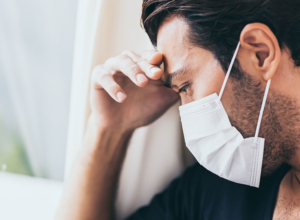
With the World Health Organization, and now the White House, declaring monkeypox a public health emergency, you may be feeling worried, especially after enduring the COVID-19 pandemic. Now what? Fortunately, monkeypox is no COVID-19 – not even close. So is a collective sigh of relief warranted? In many respects, yes. It can’t spread far through the air, so it’s less contagious in a public setting, and it’s rarely fatal. But it can be very painful, can last 2-4 weeks and can cause permanent scarring, so you should still try to avoid it. Here’s some information on how to navigate monkeypox.

What exactly is monkeypox?

Monkeypox is a virus. It is a disease that causes pox-like bumps on the skin (also referred to as a rash). Despite being named “monkeypox,” the source of the disease is likely rodents found in West and Central Africa. Before the current outbreak, cases were typically linked to international travel to Africa or humans coming in contact with an infected animal via bites, scratches or ingesting its meat. Cause for concern arose when several countries that do not normally report monkeypox (e.g., the U.S.) started to see an outbreak of the disease.  

How does it spread?

You can get monkeypox through direct contact with the rash, scabs, respiratory secretions or body fluids from a person with monkeypox. Direct contact can mean talking closely face-to-face for a prolonged time, kissing, snuggling, hugging, massaging and having sex. You can also contract it by touching objects and surfaces that someone with monkeypox used (like sheets and towels). Additionally, a pregnant person can spread the virus to the fetus.

Although the majority of monkeypox patients are men who have sex with men right now, anyone can contract it through close contact with someone who has the virus. And the window for infection is quite large: Monkeypox can be spread from the time symptoms start until the rash has completely healed, which can take up to four weeks. Symptoms usually start within 3 weeks of exposure to the virus.

What are the signs and symptoms?

At the very least, most people with monkeypox will get the telltale rash. The rash, which can look like pimples or blisters, may be painful or itchy. It can be located on or near the genitals, anus, hands, feet, chest, face or mouth. The rash will go through several stages (including scabs) before healing.

Other symptoms can include fever, headache, muscle aches and backache, swollen lymph nodes, chills, exhaustion, sore throat, nasal congestion and cough. The symptoms at the onset of the disease vary: Some report flu-like symptoms followed by a rash 1-4 days later. Others report getting a rash first, then other symptoms later. Some only experience a rash. So people with monkeypox can experience all or only a few symptoms.

What if I get it?

If you have symptoms of monkeypox, contact your healthcare provider. If they want to see you in person, to avoid infecting others, wear a mask and cover the rash with clothing. If you test positive, your provider will recommend next steps, such as any treatments, like creams, and how to avoid spreading the virus to others in your home (https://www.cdc.gov/poxvirus/monkeypox/specific-settings/home-disinfection.html).

Although your symptoms may be alarming, most people recover without the need for any drug treatments, such as investigational antivirals (https://www.cdc.gov/poxvirus/monkeypox/treatment.html) or vaccines (https://www.cdc.gov/poxvirus/monkeypox/vaccines.html ).

How do I protect myself and others?

If there’s any similarity between monkeypox and COVID-19, it’s in the steps we can take to prevent getting the virus. Handwashing and avoiding close physical contact with an infected person are the most important prevention measures. Monkeypox can be occasionally transmitted from infected surfaces, especially linens and towels. Remember, like COVID, anyone can get monkeypox, so stay informed.

Although the U.S. has not reported any deaths from monkeypox, it’s still important to follow the latest guidelines to protect yourself. Go to https://www.cdc.gov/poxvirus/monkeypox/index.html for more information.

For additional information about monkeypox from Huntington Health, go to: Monkeypox Information | Huntington Health

Infectious Diseases and Stigma

Infectious Diseases and Stigma

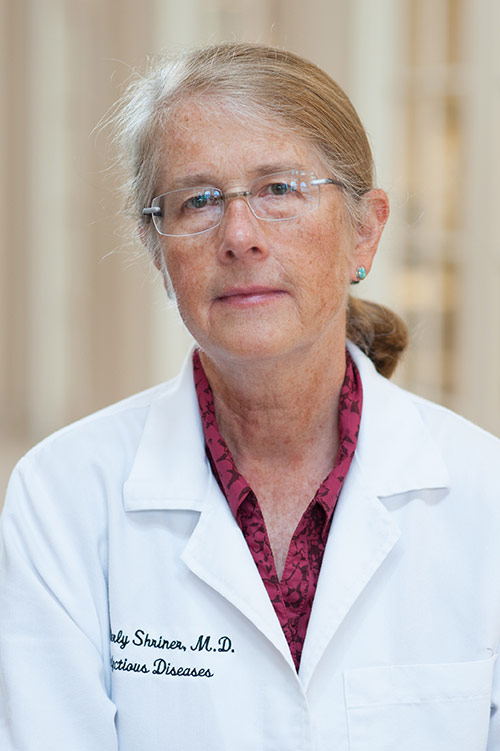
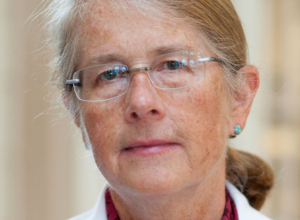
By Kimberly Shriner, MD, FACP

Medical Director, Infection Prevention and Control, Huntington Health

As if our past two and a half years of dealing with COVID was not enough, the director of W.H.O. has declared monkeypox a global health emergency.  In the last few weeks, this viral disease has spread around the world and is yet another example of the smallness of our planet and our vulnerability as a species. Monkeypox, which, like so many infectious diseases, is a zoonotic infection, harbored mostly in rodents (the name comes from a large outbreak in laboratory monkeys years ago) and in the same family as smallpox (variola). It has been endemic (and largely ignored by the rest of the world) in central and western Africa for many years. The familiar effects of globalization, international travel, environmental destruction, and climate change causing migration of wild animals to more hospitable ecosystems have contributed to the spread. 

Throughout history, infectious diseases create pandemics and prejudice.  When syphilis first emerged in Europe during the 15th century it was called “the French disease” by England, Germany and Italy.  The French called it the “Neapolitan disease,” the Russians named it the “Polish disease,” the Polish, “the German Disease” and everyone else in the world blamed the “Europeans”.¹  In the end, like all infectious diseases, syphilis is a microbial pathogen that doesn’t care about the culture, gender, ethnicity, socioeconomic status, race, or sexual orientation of its host. It just wants to infect a nonimmune organism.

Unfortunately, like so many infectious diseases, monkeypox may also create stigma and isolation. As an infectious disease specialist whose career began in the late 1980’s, I have witnessed the consequences of ignorance, judgment, politicization and just plain meanness during the early days of the HIV pandemic. Infectious pathogens pose ongoing dangers to all of us, but it is not uncommon for them to be particularly damaging in marginalized and underserved communities.  This has nothing to do with the host and everything to do with limited access to care, cultural barriers, stigma, fear, and ignorance. If it were not for the grit, courage, and determination of “HIV activist groups” such as ACTUP and Shanti, the US government and the pharmaceutical industries may never have undertaken the research and policy development that has led to the virtual control, but not cure of AIDS around the world.  Tolerance and truth are not just important for societal growth, but they help control the spread of disease. Stigmatization and isolation can drive populations underground, not seek diagnosis and treatment and lead to further spread of the pathogen.

Although it can’t be said for all healthcare workers during those early and dark days of HIV, I never once saw hesitation among the Huntington Hospital staff to provide excellent and compassionate care for my patients. We all carry are own perceptions and opinions about the world around us.  So, let’s get this right from the beginning and going forward for all the future pandemics we face. We must stand up and show the importance of truth, equity, science, tolerance, and compassion in the face of emerging infectious diseases.

  1. Tampa M et al. Brief History of Syphilis. J Med Life 2014 . March 15 . 7(1):4-10.

About Dr. Kimberly Shriner

Born and raised in Pasadena, Kimberly Shriner, MD, FACP, has been working to care for her community as an infectious disease specialist at ground zero in this pandemic. Dr. Shriner is also a tropical medicine specialist as well as the medical director if infection prevention and control at Huntington Health. She is Huntington’s leading physician regarding COVID-19 and has been an actively educating and informing the community throughout the pandemic.

Dr. Shriner efforts extend throughout the world. She was a pioneering specialist during the HIV/AIDs epidemic, and is the founder and director of Huntington’s Phil Simon Clinic providing complete HIV and infectious disease care for the underserved in the San Gabriel Valley. In 2001, she founded The Phil Simon Clinic Tanzania Project, a nonprofit, global outreach program in East Africa. The Project continues to be a platform for scholarship, post graduate training for Huntington’s staff and an amazing philanthropic experience for professionals in healthcare and supportive services.

COVID-19 Update: Omicron variants and increase in cases

COVID-19 Update: Omicron variants and increase in cases
Kimberly Shriner, MD

By Kimberly A. Shriner, MD, Medical Director of Infection Prevention and Control, Huntington Health

As we all know, we are seeing yet another highly contagious variant of COVID-19 in our community, Omicron BA.4 and BA.5. You likely know at least one person who has been infected over the past month or so, and our hospital is seeing the impact of the increase in cases as well, with the rise of COVID-19 hospitalized patients. Current statistics of community disease are misleading as so many are testing at home, but we can see the continued rise of hospital visits, if not admissions, that are testament to this surge.

Although hospitalizations are much less than the numbers we saw last year, they are on the rise.  Yes, many of those hospitalized are due to non-COVID reasons, but they still test positive, are still infected and require additional strains on isolation and staffing.  We know by now that vaccinations and up-to-date boosting diminish disease severity and risk of death, but they don’t protect against infection. Although these current variants escape much of the immunity of vaccination and previous infection, unvaccinated individuals remain at high risk of more severe disease.  In addition, recent large, well-done studies have shown the significant short and long-term risks of re-infection with COVID, so it behooves all of us to continue to avoid this still very dangerous and challenging virus.  The threat of Long COVID, a common debilitating chronic disease also should encourage ongoing individual and community protection

With that, we continue to urge individuals to get vaccinated and boosted to protect themselves, their family, their friends and their community.  At this time, a second COVID-19 booster is not yet authorized for the general population. We do know that people 50 and over and immunosuppressed individuals (solid organ transplant, cancer, uncontrolled HIV, use of immunosuppressive drugs and hematologic malignancies) would benefit from a fourth dose to produce a protective response. The CDC has authorized an additional dose of vaccine for this group. Masks are an easy, safe and well-established protection, especially high-performance masks such as N95s.  Social distancing and outdoor activities are safer and careful risk considerations about activities help create a safer and more pleasant summer.

We all want this pandemic to end and thankfully we have improved resources for that to happen, but COVID is not done with us and so we must carry on. It’s critically important that we all remember the tools we have – masking, testing, staying home if you are experiencing signs/symptoms – so we can prevent not only the spread but serious illnesses and death from this disease, now and in the future.

Huntington Health is nationally recognized for its commitment to providing high quality stroke care

Huntington Health is nationally recognized for its commitment to providing high quality stroke care
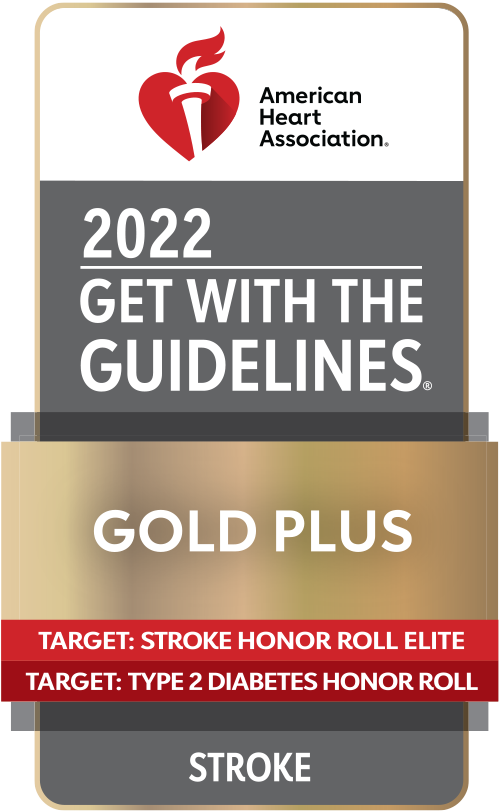
American Heart Association Award: 2022 Get with the Guidelines - Gold Plus - Stroke

Huntington Health has received the American Heart Association’s GoldPlus Get With The Guidelines® – Stroke quality achievement award for its commitment to ensuring stroke patients receive the most appropriate treatment according to nationally recognized, research-based guidelines, ultimately leading to more lives saved and reduced disability.

Stroke is the No. 5 cause of death and a leading cause of disability in the U.S. A stroke occurs when a blood vessel that carries oxygen and nutrients to the brain is either blocked by a clot or bursts. When that happens, part of the brain cannot get the blood and oxygen it needs, so brain cells die. Early stroke detection and treatment are key to improving survival, minimizing disability and accelerating recovery times.

Get With The Guidelines puts the expertise of the American Heart Association and American Stroke Association to work for hospitals nationwide, helping ensure patient care is aligned with the latest research- and evidence-based guidelines. Get With The Guidelines – Stroke is an in-hospital program for improving stroke care by promoting consistent adherence to these guidelines, which can minimize the long-term effects of a stroke and even prevent death.

“Huntington Health is committed to improving patient care by adhering to the latest treatment guidelines,” said Arbi Ohanian, MD, medical director of the comprehensive stroke program at Huntington Health. “We know that as soon as a stroke starts, the cells in the brain start to die immediately. Every minute, the brain loses about 1.9 million neurons. So, what we mean when we say ‘time is brain’ is, the earlier we can treat a patient, the better.”

“Get With The Guidelines makes it easier for our teams to put proven knowledge and guidelines to work on a daily basis, which studies show can help patients recover better,” Dr. Ohanian adds. “The end goal is to ensure more people can experience longer, healthier lives.”

Each year, program participants qualify for the award by demonstrating how their organization has committed to providing quality care for stroke patients. In addition to following treatment guidelines, Get With The Guidelines participants also educate patients to help them manage their health and recovery at home.

“We are incredibly pleased to recognize Huntington Health for its commitment to caring for patients with stroke,” said Steven Messe, M.D., chairperson of the Stroke System of Care Advisory Group. “Participation in Get With The Guidelines is associated with improved patient outcomes, fewer readmissions and lower mortality rates – a win for health care systems, families and communities.”

Huntington Health also received the American Heart Association’s Target: StrokeSM Honor Roll Elite award. To qualify for this recognition, hospitals must meet specific criteria that reduce the time between an eligible patient’s arrival at the hospital and treatment with the clot-buster alteplase.  In addition, Huntington received the American Heart Association’s Target: Type 2 Diabetes Honor Roll. Target: Type 2 Diabetes aims to ensure patients with Type 2 diabetes, who might be at higher risk for complications, receive the most up-to-date, evidence-based care when hospitalized due to stroke.

       For more information about Huntington Health’s Comprehensive Stroke Center, go to www.huntingtonhealth.org/stroke.

Huntington Health provides over $135.4 million in community benefits in 2021

Huntington Health provides over $135.4 million in community benefits in 2021

As part of its non-profit mission, Huntington Health provides significant benefits to the communities it serves, often in the form of health education, outreach, and low or no-cost hospital care for the uninsured and those with limited means. Each May, Huntington Health submits the Annual Report and Plan for Community Benefit to the Department of Health Care Assessment and Information (HCAI). According to the 2021 report, last year the organization provided an estimated total of $135,422,899 worth of health care services and support to residents of the San Gabriel Valley and beyond.

 “Huntington Health is committed to the well-being of our community,” says Lori J. Morgan, MD, MBA, president and CEO, Huntington Health. “Although some of our annual programs and events were postponed last year due to the pandemic, we found new and innovative ways to provide support and care for our community members. Not only does the report show how we helped our friends and neighbors during an extraordinary time; it shows the great lengths we take – no matter the circumstances – to make our community strong and healthy.”        

These community benefits include charity care for those patients unable to pay, as well as care expenses underwritten by the hospital that reflect the differences between the actual cost of the care and the amount of money received for patients covered by Medicare and/or Medi-Cal.

Community benefits also support research, education and training, including clinical research, graduate medical education programs, scholarships, and continuing education in nursing and many other disciplines. Benefits are also directed to the community-at-large, such as seniors, breastfeeding mothers, vulnerable populations or the underserved, and those suffering from specific diseases (such as cancer and Type II diabetes).

In 2021, Huntington Health provided:

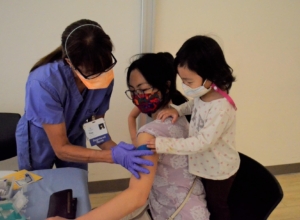
  • 32,000 COVID-19 vaccines to over 16,000 people
  • 2,440 free flu shots
  • 148 people experiencing Type II diabetes with a six-week diabetes empowerment and education program and support group
  • Over 840 community members with various support groups for cancer, mental health, weight management, stroke and more
  • 560 health screenings
  • 78 clients experiencing homelessness with RN support through the Pasadena Outreach Response Team (PORT)
  • 1,096 patients identified as vulnerable with additional assistance, including post-discharge follow-up and as-needed assistance with care transitions
  • 176 patients with discounted or free prescription medications upon discharge
  • 663 Senior Care Network (SCN) community members with home-living safety support
  • 2,884 callers with support through SCN
  • 614 community members with education on senior health-care topics through SCN
  • 16,322 callers with information through Ask a Nurse
  • 1,517 people with transportation assistance through bus tokens and cab fare
  • 5,748 blood products from 2,924 units of blood collected from community donors

Huntington Health also supported our current and future caregivers by providing health education and training programs for our internal medicine and general surgery residents, nurses, nursing students, and other health professionals, such as clinical lab, occupational therapy, outpatient rehab, pharmacy, physical therapy, radiology, respiratory services, social work, speech-language pathology and emergency services.

To review the complete 2021 community benefit report, please visit: https://bit.ly/3y6Dtcg

COVID-19 Update: What we are learning about long Covid

COVID-19 Update: What we are learning about long Covid

A year ago, Huntington Health, in partnership with Huntington Medical Research Institute (HMRI) and San Diego Biomedical Research Institute, launched its Long COVID-19 Recovery Clinic for patients experiencing disruptive post-COVID conditions. Led by Kimberly Shriner, MD, medical director of infection prevention and control at Huntington Health, the clinic leverages multidisciplinary teams to provide comprehensive treatment and study the symptoms of long COVID-19. Dr. Shriner recently shared some of the clinic’s findings.

The Centers for Disease Control and Prevention (CDC) defines post-COVID conditions as “a wide range of new, returning or ongoing health problems people can experience four or more weeks after first being infected with the virus” and includes a long list of possible symptoms: difficulty breathing or shortness of breath, fatigue, brain fog, cough, chest or stomach pain, headache, heart palpitations, joint or muscle pain, diarrhea, insomnia, fever, lightheadedness, rash, mood changes, depression, change in smell or taste, changes in menstrual cycle, and multiorgan effects, including heart, lung, kidney, skin, and brain functions. Symptoms can present themselves post-COVID-19 even if the initial illness was mild or asymptomatic. Because these symptoms can be greatly debilitating, long COVID can be considered a disability under the Americans with Disabilities Act.

Understanding the causes and effects of long COVID is essential to developing effective therapies. Potential causes and risks for long COVID, include immune disorders (e.g., the body cannot control or restrain an immune response), chronic inflammation, COVID-19’s interaction with pre-existing viruses (e.g., HIV or HSV), genetic factors and comorbidities.

Also, the effect long COVID has on the brain, such as acute and chronic inflammation, myelin loss, neuronal deterioration, white and gray matter changes and hippocampal volume loss. Additionally, there’s evidence that the circulatory system of long COVID patients can exhibit blood clotting disorders, such as clotting too much or too little, or micro-blood clotting in blood vessels.

This research is important because it points to possible treatments for long COVID. Dr. Shriner states that several therapies that could play a role in treating long COVID, such as anti-inflammatory medications, vaccines, antiviral medications, prophylactic medications, blood thinners and monoclonal antibody therapy. 

But there is still much to learn about long COVID, which can occur in up to 30-40% of COVID-19 survivors. Recognizing the global health impacts of long COVID, the National Institutes of Health (NIH) has designated 1.5 billion to research.

As research continues to uncover the causes behind long COVID, Huntington Hospital’s Long COVID-19 Recovery Clinic will continue to provide the latest, comprehensive, specialized care to manage the spectrum of long COVID symptoms. A team of specialists—cardiologists, neurologists, behavioral health experts, rheumatologists and more—is dedicated to helping patients restore their mental, emotional and physical well-being. With a doctor’s referral, patients can make an appointment at the Long COVID Recovery Clinic at (626) 397-8410.

Currently, the best way to avoid long COVID is prevention. COVID-19 vaccines and boosters reduce the risk of long COVID by lowering the chances of contracting COVID-19 in the first place. To learn more about long COVID, go to: https://www.cdc.gov/coronavirus/2019-ncov/long-term-effects/index.html

Huntington Health Presents Heart of Huntington Award

Huntington Health Presents Heart of Huntington Award

Last month, Huntington Health held a ceremony to honor clinical and non-clinical team members with the hospital’s Heart of Huntington Award. Finalists were also recognized during the ceremony. Developed as a peer-to-peer recognition program for employees, this quarterly award honors individuals for providing compassionate care to patients and families and supporting their colleagues.

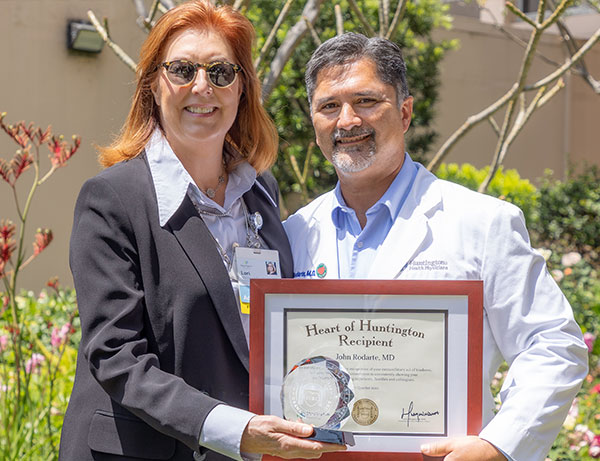
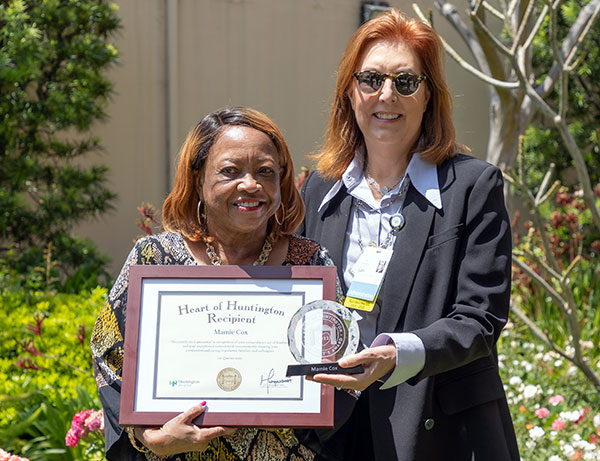
During the ceremony, Lori J. Morgan, MD, MBA, president and CEO, Huntington Health, presented Heart of Huntington Awards to pediatrician John Rodarte, MD, pediatrician, Huntington Health and Information Desk Greeter, Mamie Cox.

John Rodarte, MD receives the Heart of Huntington award

Dr. Rodarte received the clinical Heart of Huntington Award for his work inside and outside Huntington Health. In March 2022, he went on a mission to Ukraine. Working with nonprofits Exitus and Third Wave Volunteers, Dr. Rodarte joined volunteers from around the world to relocate a group of orphans with special needs. While his mission shifted to a humanitarian effort, he made a deep impact on the border, caring for families fleeing their country for safety.  

In addition to providing compassionate care as a pediatrician in our community, Dr. Rodarte participates in search and rescue missions with the Los Angeles County Sheriff’s department to save those who’ve been injured and/or stranded in remote areas of the San Gabriel Mountains.

“Dr. Rodarte embodies the spirit of excellence and the ‘whatever it takes’ approach that our caregivers are known for. We thank him for his bravery and dedicated stewardship, ensuring those in need of care receive it – no matter where they are,” said Dr. Morgan.

Mamie Cox receives the Heart of Huntington award

Mamie Cox received the non-clinical Heart of Huntington Award. One of the hospital’s most public-facing team members, Cox greets patients, families and visitors at Huntington’s information desk. But during the COVID-19 pandemic, her role took on a different level of difficulty due to visitor restrictions and the extreme emotions people were experiencing. Cox was tasked with delivering the devastating news that friends and family would not be allowed to visit their loved ones. Despite these challenges, day-in and day-out, Cox carried out her job with compassion and a friendly demeanor.

“She showed extreme empathy when she listened to and acknowledged the frustration of those unable to visit their parents, significant others, children and friends, while respectfully enforcing public safety restrictions,” Dr. Morgan explained. “Mamie’s ability to provide a comforting first impression is an asset to our hospital.” 

The ceremony also recognized finalists, Lizz Zakis, RN, MSN, and volunteer Sandy Harris.

Lizz Zakis, manager, critical care unit, was nominated by multiple team members who agreed that “there is virtually no task she won’t take on when the situation calls for it.” Zakis was honored for “leading by doing” with a positive attitude, collaborative approach and tireless dedication to serving patients.

Sandy Harris is known for the unique and thoughtful ways she supports caregivers and comforts patients. She was honored for putting “her whole heart” into her volunteer work at the hospital, from assisting with triage in the emergency department to welcoming visitors at the information desk.  She also crocheted hundreds of ear-savers for staff and blankets for patients in addition to supplying the Emergency Department with wheelchairs when she saw the need.

For more information about the Heart of Huntington Award, go to: www.huntingtonhealth.org/hoh

Andrew and Peggy Cherng make $25 million gift to Huntington Hospital

Andrew and Peggy Cherng make $25 million gift to Huntington Hospital

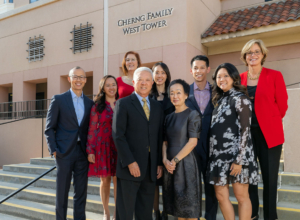
On Tuesday, Huntington Hospital hosted a reception in honor of the longtime support and generosity of Panda Charitable Family Foundation, the philanthropic arm of the Cherng family, the founding family of the beloved and largest Asian dining concept in the U.S. Panda Express. The gathering was held to recognize their recent $25 million gift to Huntington Hospital, supporting the enhancement of the hospital’s surgical program. In addition, the building on Huntington’s campus known as the “West Tower” has now been named the Cherng Family West Tower.

“I’m incredibly grateful for the Cherng family’s investment in our hospital and healthcare for the community,” said Lori J. Morgan, MD, MBA, president and CEO, Huntington Health. “Their generous gift helps secure Huntington’s future as a leader in surgical care as one of the top hospitals in our region, touching the lives of hundreds of thousands of patients in the years to come.”

The Cherngs have a long history of supporting Huntington Hospital. From the smallest newborns to the most complex trauma patients, their gifts over the years have helped save the lives of countless individuals in the region. In addition, the Cherngs coordinated a donation of personal protective equipment (PPE) through the Panda Cares Foundation, and its COVID-19 Community Care Fund, supporting the health of Huntington’s caregivers.

“For many years, Andrew and Peggy Cherng and their family have greatly supported our community personally, as well as through the work they do through the Panda Cares Foundation,” said Jane Haderlein, senior vice president of philanthropy and public relations, Huntington Health. “We are proud to display their family name on our campus as a symbol of their commitment to our local community and the lifesaving care they are supporting through their generosity. We feel fortunate to consider them lifelong friends and advocates of our hospital.”

To learn more about Andrew and Peggy Cherng and the impact they have made through the Panda Cares Foundation, please visit: pandacares.org

For details on how to support Huntington Hospital, please visit: https://giving.huntingtonhospital.com/

Huntington Hospital launches new name and logo: Huntington Health, A Cedars-Sinai Affiliate

Huntington Hospital launches new name and logo: Huntington Health, A Cedars-Sinai Affiliate

To more accurately reflect the broad scope of the health care services it provides to the community, and to represent its new affiliation with Cedars-Sinai, Huntington Hospital is introducing a new logo and name. The hospital, its physician group, and all of its outpatient programs and locations will now be under the umbrella of Huntington Health, a Cedars-Sinai affiliate.

“We are excited to share our new name and logo with our community,” says Lori J. Morgan, MD, MBA, president and CEO of Huntington Health. “As our services have grown over the years, our care has expanded far beyond our hospital walls. From primary care to emergency care – all delivered with excellence and compassion – Huntington Health offers a full spectrum of care options to help keep our community healthy. And with our affiliation with Cedars-Sinai, Huntington Health is well-positioned to ensure world-class care for years to come.”

The recent affiliation with Cedars-Sinai Health System further strengthens Huntington’s ability to provide the San Gabriel Valley with accessible, coordinated, high-quality care, close to home.  The affiliation enables many different types of collaborations between Cedars-Sinai and Huntington on clinical services, research, clinical trials and education.  

For details on Huntington Health, a Cedars-Sinai affiliate, visit their website’s new url: www.huntingtonhealth.org

About Huntington Health

Huntington Health, www.huntingtonhealth.org, an affiliate of Cedars-Sinai, offers the full spectrum of care for every need: Whether at our hospital, urgent care, ambulatory surgery center, cancer center or doctor’s office, we’re here to care for the physical, mental and social well-being of every person. Huntington Health is home to the largest emergency department and only level-II trauma center in the San Gabriel Valley. And our Family Birth Center and level-III neonatal intensive care unit (NICU) give babies the safest start to life.  Learn more about us on social media: Facebook, Twitter and Instagram

# # #

Huntington Hospital Presents Dr. Jane Goodall with Honorary Heart of Huntington Award

Huntington Hospital Presents Dr. Jane Goodall with Honorary Heart of Huntington Award

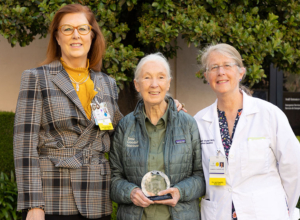
This week, Huntington Hospital presented Dr. Jane Goodall with an honorary Heart of Huntington Award, an honor which recognizes individuals for their compassionate care.  

“When I think back on these past few years, there are some bright lights and silver linings that broke through the fog of COVID-19,” said Lori J. Morgan, MD, MBA, president and CEO of Huntington Hospital. “Dr. Goodall immediately comes to mind. Her thoughtful, ongoing outreach to the Huntington family in times of great challenge and struggle made a real difference to our caregivers. She continues to be a bright light to us all. It’s a privilege to present her with our Heart of Huntington award.”

Dr. Goodall is not only a scientist, conservationist, and activist; she’s a close friend of Huntington. Throughout the pandemic, she sent heartfelt videos, speaking words of encouragement and support to staff. Dr. Shriner notes, “She is incredibly intelligent, sensitive, warm, funny, passionate about making a difference for animal lives and underserved communities. She’s an inspiration for all of us to protect our precious planet.”

Dr. Goodall has not only been a supporter of Huntington’s caregivers, but actively involved with The Phil Simon Clinic Tanzania Project for several years, whose mission is to provide medical, surgical, social work, veterinary and specialty care to communities in East Africa.

Huntington Hospital’s Heart of Huntington Award, originally developed as a peer-to-peer recognition program for employees, was inspired by an extraordinary act of kindness experienced by Dr. Morgan. To learn more about the Heart of Huntington Award, please go to https://www.huntingtonhospital.org/about-us/heart-of-huntington/

About Jane Goodall, Ph.D., DBE Founder, the Jane Goodall Institute & UN Messenger of Peace

Dr. Jane Goodall was born on April 3, 1934, in London England. At the young age of 26, she followed her passion for animals and Africa to Gombe, Tanzania, where she began her landmark study of chimpanzees in the wild­ immersing herself in their habitat as a neighbor rather than a distant observer. Her discovery in 1960 that chimpanzees make and use tools rocked the scientific world and redefined the relationship between humans and animals. In 1977, she established the Jane Goodall Institute (JGI) to advance her work around the world and for generations to come. JGI continues the field research at Gombe and builds on Dr. Goodall’s innovative approach to conservation, which recognizes the central role that people play in the well-being of animals and the environment. In 1991, she founded Roots & Shoots, a global program that empowers young people in nearly 60 countries and since it’s inception in 1991 has greatly impacted youth in over 100 countries to act as the informed conservation leaders that the world so urgently needs. Today, Dr. Goodall travels the world, speaking about the threats facing chimpanzees, environmental crises and her reasons for hope. In her books and speeches, she emphasizes the interconnectedness of all living things and the collective power of individual action. Dr. Goodall is a UN Messenger of Peace and Dame Commander of the British Empire. For more information, please visit www.janegoodall.org