As part of its non-profit mission, Huntington Health provides significant benefits to the communities it serves, often in the form of health education, outreach, and low or no-cost hospital care for the uninsured and those with limited means. Every year, Huntington Health submits the Annual Report and Plan for Community Benefit to the Department of Health Care Assessment and Information. In 2023, Huntington Health provided an estimated total of $161,549,349 worth of health care services and support to residents of the San Gabriel Valley and beyond.
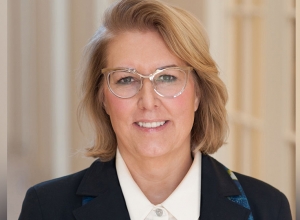
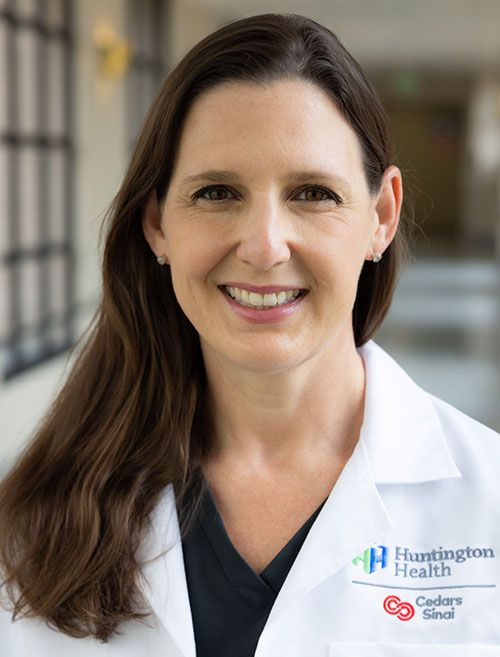
“As the largest non-profit, health care institution in the San Gabriel Valley, we have an abiding commitment to improve the health and well-being of our community,” says Lori J. Morgan, MD, MBA, president and CEO, Huntington Health.” This community benefit report details the many ways Huntington Health, with support from our trusted community partners, enhances access to care throughout Pasadena and surrounding areas. I’m incredibly proud of these efforts.”
These community benefits include charity care for those patients unable to pay, as well as care expenses underwritten by the hospital that reflect the differences between the actual cost of the care and the amount of money received for patients covered by Medicare and/or Medi-Cal.
Community benefits support research, education and training, including clinical research, graduate medical education programs, scholarships, and continuing education in nursing and many other disciplines. It also directs benefits to the community-at-large, such as seniors, other vulnerable populations or the underserved, and those suffering from specific diseases (such as lung cancer).
“We are highly appreciative of the support provided by Huntington Health to the Pasadena Public Health Department’s Pasadena Outreach Response Team (PORT) program and our joint Community Health Needs Assessment of Greater Pasadena, in addition to the important role Huntington staff play in supporting community vaccination,” said Director of Public Health and Health Officer, Dr. Ying-Ying Goh. “This partnership provides support for our community’s health outside of the hospital, focusing on prevention and social drivers of health.”
Some highlights from the 2023 community benefits include:
2,820 callers benefited from Senior Care Network (SCN) support and referrals
2,572 community members received free Fentanyl and Narcan education
1,681 free flu shots
1,232 health screenings and counseling
1,095 residents, interns and nursing students received education and training
802 people with transportation assistance in the form of bus tokens and cab fares
549 older community members participated in a virtual educational lecture series
507 seniors received help to continue living safely in their homes.
414 patients participated in cancer support groups
357 people with lactation support post-discharge
251 people with a six-week diabetes education series
78 patients with discounted or free prescription medications
To learn more about this report and how Huntington supports the community, click here.
Huntington Health, a Cedars-Sinai affiliate, is pleased to announce that Lori J. Morgan, MD, MBA, president and CEO, Huntington Health, was recognized in Becker’s Hospital Review’s 2024 “Women hospital presidents and CEOs to know” list. Dr. Morgan was honored for creating programs that best support patient care, fostering relationships with physicians and improving financial performance.
Becker’s Healthcare believes that when women are at the helm, health care organizations benefit from diverse perspectives, enhanced patient experiences and improved health equity. This year, Becker’s Healthcare honored over 196 women executives for their dedication to bettering their organizations for patients and providers. The presidents and CEOs featured on this list have achieved this through growing their organizations, promoting positive workforce cultures, expanding services and facilities, increasing provider and patient satisfaction levels, and more.
The Becker’s Hospital Review editorial team accepted nominations for this list and curated it to highlight the great work of women presidents and CEOs from hospitals across the nation. To read Dr. Morgan’s accomplishments and other featured leaders, visit the Becker’s Hospital Review webpage.
March is National Colorectal Cancer Awareness Month, and for good reason: Colorectal cancer (CRC) is the second deadliest cancer in the U.S. According to the Colorectal Cancer Alliance, every year, about 150,000 Americans are diagnosed with CRC and more than 50,000 die. Race also is a factor: CRC death rates are 35% higher for Black Americans. And a recent study from the American Cancer Society found that “the proportion of newly diagnosed individuals who were younger than 55 years has almost doubled, from 11% in 1995 to 20% in 2019.”[1]
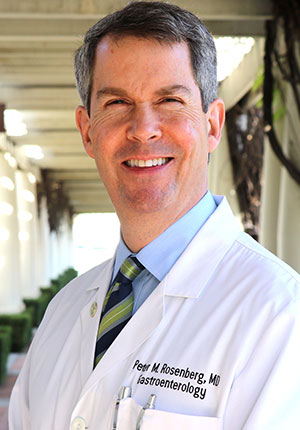
Luckily, we can stop this disease from taking lives through early detection and prevention. Peter M. Rosenberg, MD, FACP, chief of medical staff, agrees: “Colorectal cancer is one of the most preventable and treatable types of cancer. Screening is essential to catching this disease early and saving lives.” Here are some critical steps Dr. Rosenberg recommends:
Get screened at age 45: Screening – whether it’s an at-home, stool-based test or a colonoscopy – can detect warning signs of CRC, which can jumpstart preventative measures like removing polyps (a precursor to cancer). Screening can also detect CRC early, which increases treatment efficacy. Any positive result of a stool-based test must be followed up with a colonoscopy, which is the most sensitive test for CRC and precancerous polyps. Getting a high-quality colonoscopy is of the utmost importance. Only by meticulous examination of the colon can all precancerous lesions be detected and cancer be prevented. Patients should ask their gastroenterologist whether they track their polyp detection rate, and if so, what that rate is. If the rate is less than 25%, that may be a red flag that their colonoscopies are of lower quality.
Know your family history: A high-risk family history for CRC is defined as either one first-degree relative (parent, child, sibling) was diagnosed with CRC or an advanced precancerous polyp before the age of 60, or more than one first-degree relative was diagnosed at any age. About 1 in 4 CRC patients have a high-risk family history. People with a high-risk family history should get screened at age 40 or 10 years before the youngest case in their immediate family, whichever is earlier.
Eat well: A diet high in vegetables, fruits and other plant foods has been associated with decreased risk for CRC. Consumption of red meat (beef, pork, lamb) and processed meats (hot dogs, ham, bacon, sausages, cold cuts) has been associated with increased risk for CRC. Limit red meat to 18 ounces per week or less. Avoid processed meats (even low consumption increases cancer risk).
Exercise: Physical activity (i.e., 30-60 minutes of moderate to vigorous movement per day) can reduce CRC risk by 30-40%.
Maintain a healthy body weight: People who are overweight or obese are more likely to develop colon polyps.
Avoid alcohol and cigarettes: According to the National Cancer Institute, people who regularly drink 3.5 drinks per day have 1.5 times the risk of developing CRC compared to nondrinkers/occasional drinkers. Long-term cigarette smoking also increases risk of CRC.
Know the symptoms of CRC: People experiencing CRC symptoms like rectal bleeding, abdominal discomfort, unexplained weight loss, weakness/fatigue, or a change in stool or bowel habits should contact their doctor immediately.
The takeaway: CRC is preventable and easily treatable if caught early. That’s why screening is at the top of the list: It’s the No. 1 way to prevent CRC. If you are 45 years or older or have a high-risk family history, ask your doctor what screening options are best for you. Go to www.ccalliance.org for more information about CRC.
Having received a lupus and rheumatoid arthritis diagnosis at the young age of 16, Michelle Usher was no stranger to doctor visits and medical tests. When she started to feel increasingly fatigued and exhausted towards the end of 2022, she did not think anything of it, until a routine blood test indicated she was anemic. Michelle’s primary care doctor recommended she undergo testing to figure out why and referred her to a gastroenterologist.
When a diagnostic colonoscopy revealed Michelle had stage 2 colon cancer, she was understandably discouraged. “I’ve been through so much health wise,” she says, “so finding out I had cancer on top of everything else was very difficult.”
Michelle was immediately referred by the doctor who performed the colonoscopy to Huntington Health, a Cedars-Sinai affiliate, colorectal surgeon Juliane Golan, MD, for cancer care. Dr. Golan performed a procedure here to remove the cancerous section of her colon. The surgery was successful and confirmed that the cancer had not spread. Michelle was able to go home the next day to start the recovery process.
“Patients like Michelle benefit from Huntington Cancer Center’s renowned and trusted physicians who deliver excellent care to help them fight cancer — from diagnosis to treatment and recovery,” says Howard Kaufman, MD, regional medical director, Huntington Cancer Center and medical director, surgical services, Huntington Health. “Our high-quality cancer and colorectal surgery program offer comprehensive and compassionate care focused on saving lives and improving quality of life.”
While resting at home, Michelle read books about other people’s journeys with cancer as a source of comfort and inspiration. When it was determined that she would not need chemotherapy or radiation, she was relieved. “I had started to look for headscarves online in case I was going to lose my hair,” says Michelle. “I was very happy that I didn’t have to go through that and that surgery was all I needed.” Today, Michelle is cancer free and back to her regular routine and diet. “I can paint, draw, read and go to church again because I have my energy back.”
Michelle is grateful to her care team for helping shift her perspective and attitude. “Dr. Golan encouraged me to be positive,” she says. “She explained things to me in a way I could understand. She has a kind spirit and a good bedside manner. If she wasn’t my doctor, I would want her to be my friend.” Michelle also felt immense support from Huntington Cancer Center, an affiliate of Cedars-Sinai Cancer, nurse navigator Saskia Koomen, RN. Michelle notes that Saskia was very responsive to all her questions about what to expect during recovery, like what foods to eat. “Saskia checked in on me a lot to make sure I was OK and had everything I needed to recover,” says Michelle.
When reflecting on her time as a patient at Huntington Hospital, Michelle feels like the care she received was top notch. “It didn’t feel like a hospital and I’m so thankful for receiving such great and gentle care.” Her treatment experience here has given her a different outlook on life. “Now, I live more in the moment and let the small stuff go more easily than I used to,” she says. Gaining this new outlook on life has also brought hope and excitement to her life: Michelle recently got engaged and is getting married next month.
“I didn’t give up and now have this amazing next chapter in my life to look forward to and celebrate,” says Michelle. “My care team at Huntington gave me that. It is the best wedding gift, and I will cherish it always.”
Did you know March is Colon Cancer Awareness Month? Schedule your screening colonoscopy because early cancer detection saves lives.
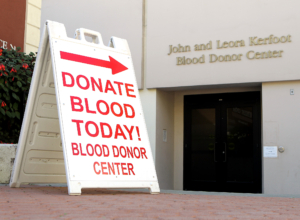
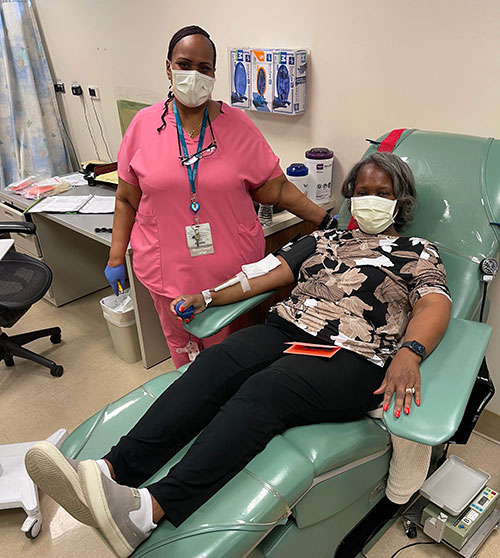
In celebration of Black History Month in February, Huntington Health recognized the contributions of Black Americans with a monthlong blood drive in honor of Charles Drew, MD, a Black American scientist, and surgeon who was instrumental in developing modern-day blood banks. The blood drive also shed light on the importance of Black blood donors. According to the American Red Cross, 51% of Black Americans have type O blood, which is in high demand, so Black Americans play a critical role in meeting this need.
On February 24, the blood drive culminated in a special community event at the Huntington Blood Donor Center. Our diversity, equity and inclusion (DEI) department partnered with local community organizations, including the Pasadena-Altadena Chapter of The Links, Incorporated; Jack and Jill of America, Inc., Pasadena Chapter; Eta Pi Lambda Chapter of Alpha Phi Alpha; and the Altadena Chamber of Commerce, to bring in first-time donors and deepen our connection to the community.
“We are so grateful to our community partners and many other volunteers for making our first annual Black History Month Charles Drew blood drive a great success, and more importantly, impactful. Being the only level-II trauma center in the San Gabriel Valley, we rely on donors to replenish blood supplies to meet the needs of the community,” said Pamela Weatherspoon, vice president, enterprise, diversity, equity, inclusion, engagement & wellness. “During the month of February, we collected 485 pints of blood. This is over 100 pints more than what we collected in both February 2022 and February 2023 and 200 pints more than in February 2021. We couldn’t have done it without DEI, the Blood Donor Center and our staff who participated in the monthlong drive. We are excited to make this an annual event.”
Cheryl Purvis, MSN, RN, interim vice president, clinical operations, Huntington Health, shared why blood donations are so vital: “I’ve been a nurse for many years, and I’ve worked in level-I trauma centers, surgery departments and high-risk obstetrics units. I’ve seen patients come in unexpectedly with horrible traumas. Immediate access to blood literally makes a life-and-death difference in that moment.”
Each blood donation can help save more than one life—the lives of newborn babies and their mothers, the lives of those battling cancer, or those suffering unexpected traumas.
It’s never been easier to become a lifesaver. Consider giving the gift of life by calling (626) 397-5422 to schedule a blood donation appointment at our Huntington Health Blood Donor Center in Pasadena.
For more information and to see a list of our upcoming blood drives in the community. visit: huntingtonhealth.org/blood
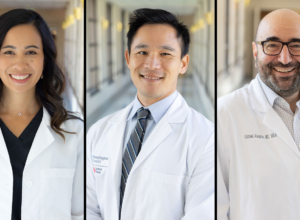
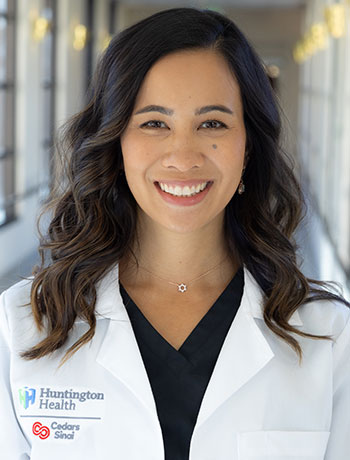
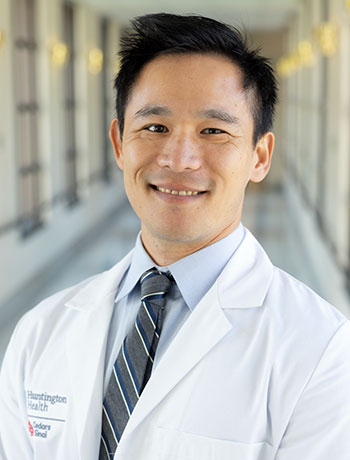
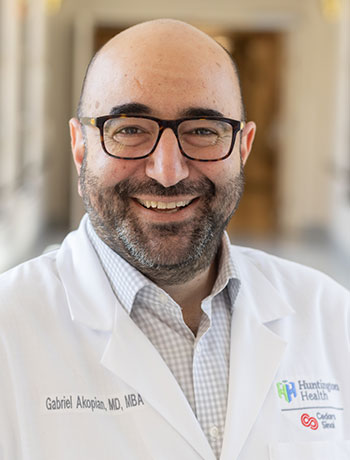
Huntington Health, a Cedars-Sinai affiliate, recently launched a Colorectal Surgery Program, offering surgical treatment of colorectal cancer, diverticulitis, hemorrhoids, and other conditions affecting the lower digestive tract. Expert surgeons Juliane Y. Golan, MD, Adam Truong, MD, and Gabriel Akopian, MD, have joined the program, expanding access to care to patients in the San Gabriel Valley.
“One of the many benefits of our affiliation with Cedars-Sinai is the ability to create dedicated programs and services for patients within the San Gabriel Valley,” said Lori J. Morgan, president and CEO, Huntington Health. “I am thrilled to announce the growth of our Colorectal Surgery Program, which will continue to expand treatment options available locally and will greatly advance the health and well-being of our community.”
The director of Cedars-Sinai Cancer, Dan Theodorescu, MD, PhD, said it is gratifying to see the growth of the surgical and oncology programs at Huntington Health.
“We welcome the addition of Drs. Golan, Truong and Akopian,” said Theodorescu, the PHASE ONE Distinguished Chair at Cedars-Sinai. “Working more closely with our colleagues at Huntington Health will provide more clinical care and clinical trial options—closer to home—to our patients with colorectal cancer.”
The specialists who have recently joined the Huntington Health Colorectal Surgery Program are:
Juliane Y. Golan, MD, FACS, is board certified in general surgery and colon and rectal surgery. She has been providing care at Huntington Health since 2020 and mentors Huntington’s general surgery residents. Golan earned her medical degree at Ross University School of Medicine, in 2013. She completed her general surgery residency at Huntington Hospital in 2019, followed by a Colon and Rectal Surgery Fellowship at Saint Francis Hospital and Medical Center, Hartford, Conn., in 2020. Dr. Golan is a fellow of the American College of Surgeons and member of the American Society of Colon and Rectal Surgeons.
Adam Truong, MD, MS, is a board-certified general surgeon who specializes in colorectal surgery and has extensive training in laparoscopic, endoscopic and advanced robotic surgery. He is a member of several medical societies, including the Society of Asian Academic Surgeons and American Society of Colon and Rectal Surgeons. Dr. Truong earned his medical degree at the University of California, Irvine School of Medicine in 2016 and completed his general surgery residency at Cedars-Sinai in 2022. Dr. Truong recently completed his Colorectal Surgery Fellowship at Cleveland Clinic, Ohio.
Gabriel Akopian, MD, is a board-certified general surgeon who specializes in colorectal surgery and has extensive experience in colon cancer, diverticulitis, hemorrhoids, anal fissures, anal fistulas, pilonidal cysts, inguinal hernias, umbilical hernias and gallbladder disease. Dr. Akopian earned his medical degree from Boston University School of Medicine in 2000 and completed general surgery residency at Huntington Hospital and a fellowship in Minimally Invasive Surgery at USC. He is the program director for the Huntington Hospital Surgery Residency Program.
“Huntington Health has been steadily growing its surgical and oncology programs over the past year,” said Howard Kaufman, MD, medical director, surgery services growth, Huntington Health and regional medical director of Huntington Cancer Center, an affiliate of Cedars-Sinai Cancer. “We are truly fortunate that Drs. Golan, Truong and Akopian have chosen Huntington as their home to provide their expert colorectal surgical care to our community.”
Two of the San Gabriel Valley’s most respected and well-established orthopedic practices have joined Cedars-Sinai to better serve the community.
Building on decades of local experience, Congress Orthopaedic Associates Inc. and Risser Orthopaedic Group will continue to offer high-quality, personalized and coordinated care to patients.
The two groups have formed one comprehensive practice that will strengthen a shared commitment by Cedars-Sinai and Huntington Health, a Cedars-Sinai affiliate, to enhance the wellbeing of patients across the region. The practices’ combined 29 specialists and support staff serve patients at locations in Pasadena and Arcadia.
“We are proud to welcome two of the most trusted orthopaedic practices in the San Gabriel Valley to Cedars-Sinai, expanding our ability to provide comprehensive orthopedic services to the local community through Huntington Health,” said Jill Martin, executive vice president of Cedars-Sinai Medical Network.
Huntington Health will continue as the primary hospital to admit and provide high-quality orthopedic services—including total joint replacements and spine surgery—to Congress and Risser patients, as it has done for years.
“By working even more closely with these two outstanding practices, we can offer members of the community an even better, more coordinated experience throughout their care journey,” said Lori J. Morgan, MD, MBA, president and CEO, Huntington Health. “We look forward to continuing to support these groups in providing high-quality orthopedic care in the San Gabriel Valley.”
The specialists at Congress and Risser offer expert care in general orthopedics and specialty areas, including knee, ankle, foot and hip, hand and wrist, shoulder and elbow, and neck and spine, as well as joint replacement, sports medicine, occupational medicine and orthopedic oncology. Physicians and staff provide a wide range of innovative treatment options, including noninvasive approaches and minimally invasive surgery. They also offer advanced diagnostic imaging and rehabilitation services such as physical therapy.
Congress is a well-known medical name in the area, where it has served patients for more than 60 years. It now has offices in Pasadena and Arcadia.
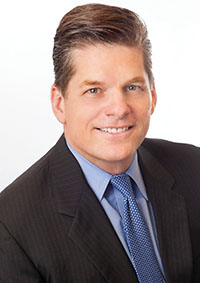
William M. Costigan, MD
“For more than six decades, Congress Orthopaedic Associates has been dedicated to offering high-quality patient care, leading-edge research and comprehensive patient education,” said William M. Costigan, MD, director of the Congress Associates Center for Spinal Surgery and Study. “We look forward to furthering that commitment through our new relationship with Cedars-Sinai and Huntington Health.”
Risser’s history in Pasadena dates to the 1930s, when its founder, Joseph C. Risser, MD, began providing orthopedic care in the community. Risser’s current leaders said they look forward to enhancing services for communities that have long come to rely on the group for high-quality orthopedic care.
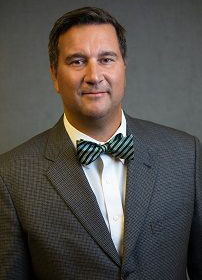
Daniel Laster, MD
“Providing expert care close to where patients work and live in the San Gabriel Valley helps support the best outcomes for our patients,” said Daniel Laster, MD, medical director of Risser Orthopaedic Group. “Our patients have been at the center of all that we do, and we look forward to caring for them for many years to come.”
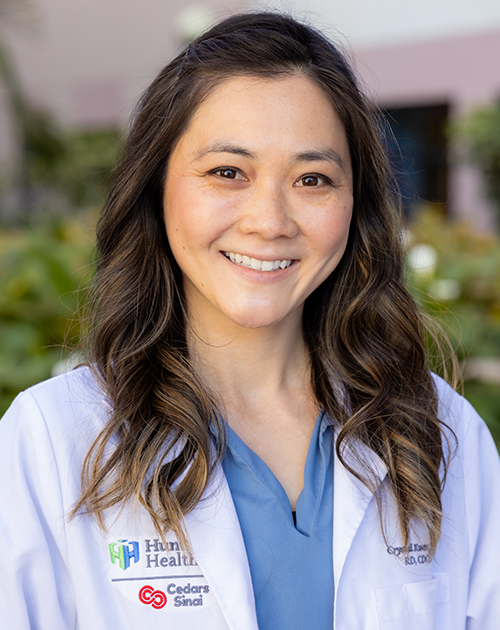
Did you know that heart disease is the leading cause of death in the U.S.? This February, in honor of American Heart Month, we spoke with Azhil “Alex” Durairaj, MD, medical director of cardiovascular services at Huntington Health, and registered dietitian Crystal Kwan, MPH, RDN, CDCES, about cardiovascular disease, prevention and treatment. Read on for helpful information, including tips on lifestyle modifications and nutritional strategies to stay heart healthy.
What should people know when it comes to the importance of preventative heart care?
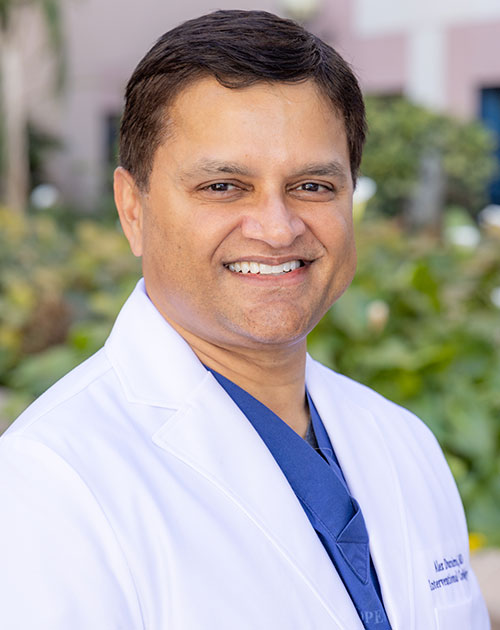
Azhil “Alex” Durairaj, MD
Dr. Durairaj: The biggest risk factors for heart disease are diabetes; obesity; high blood pressure and high cholesterol. It’s important to regularly monitor your blood pressure and cholesterol levels to maintain a healthy heart. Simple lifestyle tweaks also go a long way in helping to reduce your risk factors. Be sure to manage your weight, stay active, get enough sleep and try to avoid stress.
How does diet affect cardiovascular health?
Crystal Kwan, MPH, RDN, CDCES
Crystal: A healthy diet is key to preventing and managing cardiovascular disease. Good nutrition can help lower your total cholesterol, blood sugar and triglyceride levels — while also improving your blood pressure. Making good food choices can also help reduce your risk for developing heart disease in the first place.
What is the most important thing you want people to know about heart health?
Dr. Durairaj: Heart disease is preventable and 100% modifiable. Just because your parents or your uncle had a heart problem, doesn’t mean you have to. Your doctor plays an important role, but you must make some effort, too, by making lifestyle modifications. This includes daily physical activity and eating a heart-healthy diet. According to the CDC, walking 150 minutes a week (or just over 20 minutes a day) can put you at a lower risk of heart disease.
How can people change their diet to make it more heart-healthy?
Crystal: Aim to eat a variety of whole foods like fruits and vegetables versus highly processed ones. Prepare more meals at home and eat out less. Most restaurant meals include more salt, sugar and fat than home cooked meals. When cooking, season foods with herbs, spices, vinegars, lemon/lime to boost flavor and utilize less salt. Replace sugar-sweetened beverages with low or no calorie beverages such as water, and drink alcohol in moderation. These changes will help:
Increase your fiber intake, which is good for your heart.
Reduce saturated fat and added sugars in your diet.
Lower salt levels to control hypertension.
Assist with weight loss, which may potentially help with other conditions such as diabetes.
Can the Mediterranean diet really improve cardiovascular health?
Crystal: Research supports practicing the Mediterranean diet for the prevention of cardiovascular disease, increasing lifespan and healthy aging. In fact, it’s been shown to reduce your risk of heart disease; metabolic syndrome; diabetes; certain cancers and depression. It prioritizes eating plants, including fruits, vegetables, nuts and legumes. The Mediterranean diet champions cooking with plant-based oils like olive oil, eating moderate amounts of animal proteins and dairy and limiting highly processed foods and alcohol.
What is a sign that something may be wrong with your heart?
Dr. Durairaj: With heart disease, there aren’t always signs, which is why monitoring your blood pressure and cholesterol levels is critical. Often, by the time something feels noticeably off in the body, cardiovascular disease has progressed. With that said, overt warning signs for men and women can differ. Chest pain/discomfort, shortness of breath or arm tingling, should always be a concern. Women can also present with less “classic” signs including abdominal pain, nausea, vomiting, jaw pain or back pain. If these symptoms are recurrent or persist, it’s important that you seek medical care immediately.
What is something about the connection between heart health and diet that may surprise most people?
Crystal: Small, incremental changes over time can have a positive impact on your overall health. This can be something as simple as adding a piece of fruit to your afternoon snack or drinking one less soda per week. Doing something consistently is often more important than trying to change your entire diet at once, since you’re more likely to stick with it for the long run. Changing the “good” food/ “bad” food mindset will also help create a healthier pattern of eating. All foods can be enjoyed. Learning how to balance your food choices while enjoying foods from your culture or during the holidays is an important skill so that we don’t take the joy away from eating.
Is there a screening test for heart disease?
Dr. Durairaj: A coronary artery calcium (CAC) test is a special computerized tomography (CT) scan of the heart. It looks for calcium deposits in your arteries. A buildup of calcium can narrow the arteries and reduce blood flow to the heart. A CAC may show coronary artery disease before you have symptoms. Your cardiologist or primary care physician can order it. Talk to your doctor about whether the CAC test is right for you.
What are some new medical advancements when it comes to heart health?
Dr. Durairaj: We have multiple therapies to control cholesterol now — not just statin. These alternative medications have minimal side effects, as well. There are also some exciting new treatments to control blood pressure and diabetes that are showing benefits to the heart. Additionally, there are new drugs that can permanently lower blood pressure and cholesterol. Overall, this means we’re getting really good at keeping the heart healthy. We’re also learning that a healthy heart can benefit your brain — and that’s critical because as we live longer, we want quality of life, not just quantity of life.
What are a heart patient’s treatment options?
Dr. Durairaj: Modern medicine allows us to offer patients multiple options to treat cardiovascular disease. Depending on your condition, we may recommend stents, bypass surgery, a pacemaker or heart valve repair. In fact, at Huntington Health’s state-of-the-art Helen and Will Webster Heart & Vascular Center, we offer a full spectrum of cardiac services, including advanced medical and surgical treatments, using the latest medical technologies. With that said, treatment doesn’t stop at cardiac surgical options. Lifestyle changes are equally important for combating heart problems.
Visit huntingtonhealth.org/heart to learn more about our Helen and Will Webster Heart & Vascular Center. We have also recently expanded our dedicated cardiac, vascular and thoracic surgery program. Check out huntingtonhealth.org/cardiovascularteam to meet our expert surgeons.
You may also visit huntingtonhealth.org/nutritioncounseling to learn more about how a registered dietitian can help you create an individualized nutrition plan to support your heart health goals this year.
Huntington Health Physician, Pharmacist Teach Community How to Identify an Overdose and What to Do
Like the rest of the country, Los Angeles County has experienced a dramatic upswing in overdoses from fentanyl, an opiate that is 100 times stronger than heroin.
According to the L.A. County Department of Health, accidental fentanyl deaths increased 1,652% between 2016 and 2022.
The numbers are shocking, and so is the patient population. No longer is the epidemic of overdoses limited to regular drug users. Today, emergency medicine experts say it’s common to treat overdosing patients who had no idea they had ingested fentanyl.
At Huntington Health, an affiliate of Cedars-Sinai, healthcare workers are trying to change that. A team of doctors, pharmacists and nurses is traveling to schools, libraries and community centers to educate people about the opioid crisis and the importance of knowing what to do when witnessing an overdose.
Cedars-Sinai’s Newsroom spoke with Huntington Health Emergency Department Pharmacist Evan Adintori, PharmD, and Emergency Physician Sam Beckerman, MD, PhD, about their work to curb the fentanyl epidemic.
Why is fentanyl so dangerous?
SamBeckerman, MD, PhD: Fentanyl is an extremely powerful and very effective drug that we use every day in the hospital, but it has made its way into the illicit drug supply in our country. It is an extremely powerful and potent drug, an opiate like heroin, but you need like 1/100th the amount of fentanyl compared to heroin to make you overdose and stop breathing.
Evan Adintori, PharmD: People are buying medication that they don’t have a prescription for, such as anxiety medications, and they are buying it online or in the street, and in many cases, these pills are laced with fentanyl, which can lead to potentially fatal overdoses by unsuspecting customers.
Who is at risk for a fentanyl overdose?
Beckerman: It’s not just people who use drugs regularly. It’s anybody who experiments with drugs, anybody who takes pills, anybody who might have gotten a pill from a friend for a headache, or being told that this is like a study drug. We’re seeing it creep into our high schools and middle schools. What we’re seeing—and the language that I like to use is that we’re basically seeing fentanyl poisonings. These are people who oftentimes had no intention of taking fentanyl, or no intention of taking an opiate, but they end up ingesting a potentially lethal dose, without knowing it, and can die as a result of it.
What does a fentanyl overdose look like?
Adintori: There are several major signs to look for. If their pupils are what we call pinpoint pupils, they become very, very small, like the size of a point of a pin. In addition, they might be breathing very slowly or very irregularly. If you try to wake them up, they may not respond very well. They might seem very drowsy, and no matter how hard you shake them, they’re not waking up. Those are some of the major signs of a fentanyl overdose.
What action should you take if you suspect someone has overdosed on fentanyl?
Beckerman: If somebody has a fentanyl overdose or a suspected fentanyl overdose, there’s now an over-the-counter medication called Narcan or naloxone that can be given to people who are suffering from an opiate overdose. It can help them start breathing again and give people enough time to call 911 and get paramedics and have patients be brought to the emergency room while they’re still breathing, as opposed to having the paramedics bring us somebody who’s already died because they stopped breathing.
How do you use naloxone?
Adintori: Naloxone is very easy to use. It’s designed so that anybody can use it while waiting for help to arrive. There is one dose per device and there are usually two devices in every box. If you believe someone is experiencing an overdose, you want to lay them down on their right side in case they have any adverse effects, or if they vomit, it won’t go in their airway. You insert the device into the patient’s nose, and you push the button. You only have to push it once. It will administer a single dose. And then if the person does not respond, you can administer another dose using the second device. It does not matter which nostril it goes in. You do not have to divide it between nostrils. The most important thing is that you just insert the device, push the button, and the dose is administered. This medication reverses the effects on someone’s breathing. It only works for opioid medications; it will not work for other types of overdoses. However, if someone is experiencing an overdose from an opioid, it’ll help them to start breathing again, and it will give you time for help to arrive.
What do you want the public to know about naloxone?
Beckerman: It’s something we feel really strongly about. It’s a very safe medication. It has a long shelf life. It doesn’t require special handling. It’s very similar to the nasal sprays that people use for their everyday allergy medications. And we recommend that people keep this medicine next to their fire extinguisher in their house, and that they have it available. We try to provide it to people in a judgment-free way, especially in light of the fact that the people who are at risk of having a fentanyl overdose these days are any human beings who might encounter a pill. One of our goals is to remove the stigma for having this in your first-aid kit in your house, just like you would a fire extinguisher or gauze or Band-Aids, because you just don’t know these days.
What are you and your team doing to educate the public on the dangers of fentanyl and the benefits of naloxone?
Adintori: We’ve gone to a fair number of schools within the area as well as libraries and community centers, and we’ve been able to educate as many people as we can on the opioid crisis and using naloxone. We’ve had extremely positive feedback. We’ve had schools invite us for the next years, so we can continue to educate some of their students and parents, especially some of the freshman classes at the high schools.
Beckerman: One of our main messages is that we know that people will likely still continue to experiment with potentially dangerous drugs, so our goal is to inform them of what those risks are if they choose to do so. Our main goal is to save as many lives as possible because it’s now the case where if someone—maybe they decided to try something new just this once—we don’t want that to be the last mistake someone makes. We want to empower them and the people around them to know what to do in that situation and potentially save a life.
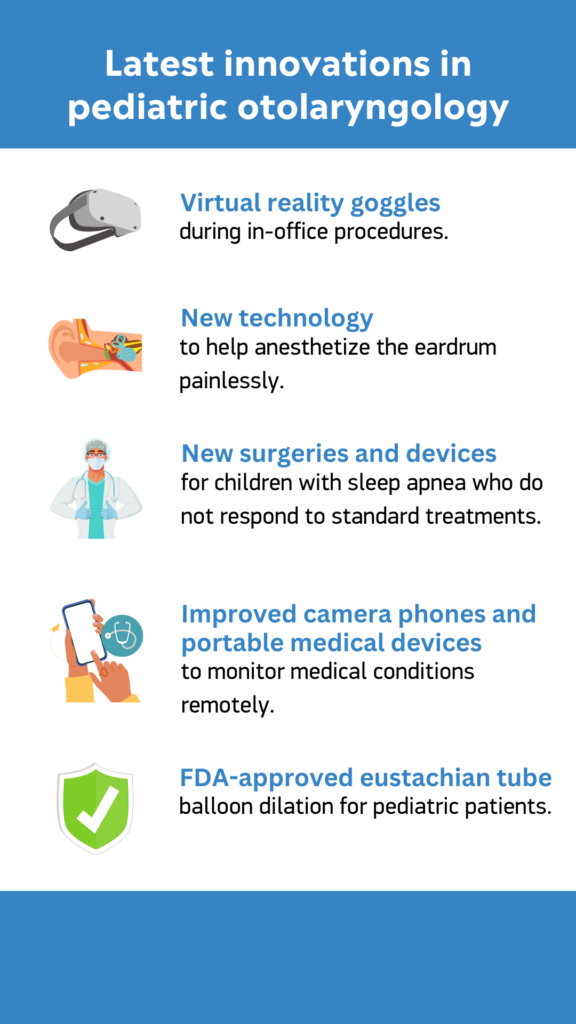
February is Kids ENT (ears, nose and throat) Health Month. ENT specialists, or otolaryngologists, treat and manage conditions of the head and neck. To shine a light on ENT conditions that children experience, ENT specialist Alexis Rieber, MD, with Huntington Health, a Cedars-Sinai affiliate, answered our top five questions.
Alexis Rieber, MD, pediatric ENT specialist, Huntington Health, an Affiliate of Cedars-Sinai
1. What is the most common reason a patient needs to see a pediatric ENT specialist?
Many patients are referred to a pediatric ENT when the usual childhood illnesses and congestion become more frequent or severe than average. One of the unexpected silver linings of the COVID-19 quarantine was that kids in isolation did not get sick very often. Now we are experiencing a huge surge in upper respiratory illnesses. Research has shown a big increase in ear infections and tonsillitis over the past few years. We can offer surgical treatments for these recurrent problems.
Because there is a rise overall in pediatric allergies, I also see a lot of kids for congestion. When they become more than just stuffy during a cold, and symptoms last a few months, it is a good idea to see if there is an anatomic problem preventing your child from breathing well. This is especially important when the congestion is affecting their sleep, and they are showing signs of obstructive sleep apnea. We can do an evaluation of the adenoids and tonsils and consider corrective surgeries to help reduce congestion and sleep symptoms.
2. What other conditions do you treat?
One of the conditions I find most interesting is tongue-tie and/or tethered oral tissues, which can affect eating, speaking and breastfeeding, but it often resolves itself. This is a controversial topic with recent articles about the massive surge of popularity in treating it with surgery. This is partly because evidence has shown the important health benefits of breastfeeding, but also because of the marketing of this procedure as a cure for many problems like snoring, weight gain, reflux and orthodontic conditions. I obtained a Certified Lactation Counselor degree to help assess the latch and ensure we are only performing this procedure on patients who truly need it.
Another specialty of mine is pediatric hearing loss. Many children fail their newborn or pediatrician hearing screen, and it can be a very stressful or frightening experience for the family. Many times, we can address hearing loss if it is due to wax or middle-ear fluid. Other types of hearing loss need amplification with hearing aids or surgical correction. Treatment of these conditions requires close collaboration with otolaryngology, pediatric audiology, genetics and radiology.
3. How will I (or my child’s pediatrician) know if my child needs to see an ENT doctor –especially if my child is an infant?
Consider a pediatric ENT consultation when there is a concern for an anatomic abnormality that can be corrected. Breastfeeding that is painful or unsuccessful should be evaluated for tethered oral tissues. Babies with stridor, or noisy breathing, may benefit from an airway evaluation. Poor quality sleep that may be sleep apnea is best addressed and not ignored. There are some problems that are natural for kids to experience, but if infections are too frequent or severe, maybe there is something an ENT can do to help.
4. What innovations have made surgery unnecessary or less invasive?
Vaccinations have made some infections less common in pediatric patients. For example, the human papillomavirus (HPV) vaccine has significantly reduced recurrent respiratory papillomas (non-cancerous tumors) in children. Babies born with HPV infection transmitted during delivery are prone to tumors in their airway that can lead to serious breathing difficulties, frequent surgeries, hospitalizations and even cancer. It is wonderful we have found a way to prevent this from affecting the next generation of children.
Also, some medication treatments are available for sleep apnea that may help children avoid a tonsillectomy and adenoidectomy.
5. In what scenarios would you need to collaborate with other specialists to manage a patient’s condition?
Pediatric care is best delivered as a multidisciplinary team; it’s one of the reasons I love pediatric ENT so much. For children with sleep apnea, I rely on a pulmonologist to help perform sleep studies. For children with recurrent cough, croup or wheezing, I often work with a pulmonologist and allergist to diagnose and treat the proper condition. For babies with laryngomalacia and reflux, I often work with a gastroenterologist to optimize their eating, breathing and growth. For babies with breastfeeding difficulty, I often work with lactation consultants, occupational therapists and pediatricians to find the best care and treatment plan.
 English
 Espanol
 简体中文
简体中文 Tagalog
 հայերեն
 한국인
한국인 Tiếng Việt
 فارسی
فارسی русский
 日本
日本 عربي
عربي