Here for a Healthier Community

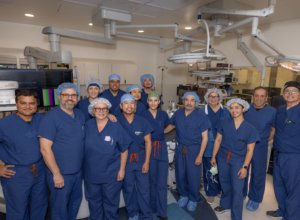
Huntington Hospital’s cardiovascular services team completes 500th WATCHMAN procedure

Huntington Hospital’s cardiovascular services team completes 500th WATCHMAN procedure

An estimated six million Americans are affected by atrial fibrillation (AFib), an irregular heartbeat that can cause blood clots to form in the heart, leading to a stroke. Typically, patients take blood thinners (also called anticoagulants) to lower the risk of stroke; however, this treatment isn’t sustainable and safe for patients who have a risk of bleeding or are prone to falls. Enter the WATCHMAN™ Left Atrial Appendage Closure (LAAC) device, an alternative to blood thinners that stops stroke-causing blood clots from forming in the heart.

In 2018, a patient with AFib received the first WATCHMAN implant in the San Gabriel Valley at Huntington Hospital. Since then, Huntington’s cardiovascular services team has reached an incredible milestone: 500 WATCHMAN procedures performed!

“Only 10 years ago, we had to rely on solely on powerful blood thinners to reduce the risk of stroke with atrial fibrillation,” said Alex Durairaj, MD, medical director, cardiovascular services, Huntington Health. “Now, thanks to the hard work and dedication of our caregivers and staff at the Helen and Will Webster Heart and Vascular Center, we are able to provide another option for lifesaving care to help lower the risk of stroke.”

How it works

90% of blood clots that form due to AFib, occur in the left atrial appendage (LAA), a blind pouch in the left upper chamber of the heart.  The device closes off the heart’s left atrial appendage (LAA), preventing blood clots from forming, reducing the risk of a stroke. As specified, the device also gives most patients the greenlight to stop taking blood thinners in as little as six weeks after the procedure.

The procedure

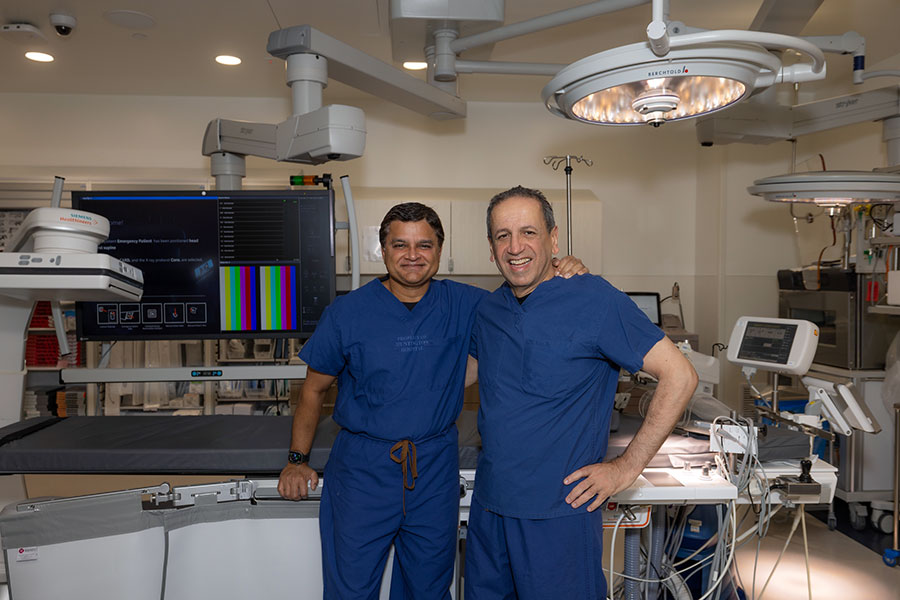
 Alex Durairaj, MD, medical director, cardiovascular services, and Mayer Rashtian, MD, cardiologist.
 Alex Durairaj, MD, medical director, cardiovascular services, and Mayer Rashtian, MD, cardiologist.

Placement of the WATCHMAN is a one-time procedure performed under general anesthesia and takes about an hour.  It comes compressed within a small tube.  This allows it to be inserted via a large IV in the upper leg.   It is then advanced following the blood vessel into the heart.  Once the WATCHMAN arrives at the LAA, it opens like an umbrella and is permanently implanted to block blood clots. Patients commonly leave the hospital the same evening or sometimes the next day.

To date, more than 400,000 patients have received a WATCHMAN implant. Talk to your cardiologist if you would like to learn more about this procedure.

Team Tanzania’s latest journey to Africa

Team Tanzania’s latest journey to Africa

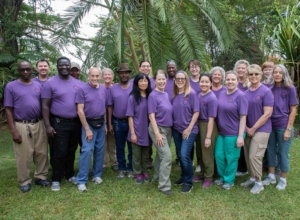
In February 2024, Huntington Health volunteers from Team Tanzania returned to Africa on their 12th mission to support the efforts of the Phil Simon Clinic Tanzania Project (PSCTP). Since 2002, the nonprofit has provided clinical and specialty care, veterinary care, education and social work in East Africa.

During the trip, the team accomplished many goals, including hosting a two-day scholarship conference, setting up new, safer venues for surgical teams, creating new collaborations for future medical teams, and establishing relationships with veterinary organizations/leadership. They also set the wheels in motion for an international project that focuses on One Health initiatives, which aim to improve the lives of all species by integrating human medicine, veterinary medicine and environmental science. PSCTP Founder and Project Leader Kimberly Shriner, MD, FACP, medical director of infection prevention and control, Huntington Health, gave us a glimpse into some of their important work this time around.

Scholarship Conference

PSCTP offers a health care scholarship program to ease the shortage of physicians and nurses in Tanzania. At the 2024 conference, outstanding and committed scholars were showcased. “Our scholars are curious, compassionate, motivated and inspirational. They are interested in diverse opportunities, including clinical work, leadership and research,” said Dr. Shriner. “Our scholarship program is one of the most impactful and lasting investments in PSCTP’s presence in Tanzania.”

Safer Venues for Surgical Teams

The team met with staff and leadership at Kilimanjaro Christian Medical Centre (KCMC), which is a tertiary referral medical center for Northern Tanzania, medical school and teaching hospital with multidisciplinary residencies. As a tertiary care center, KCMC provides services in trauma and emergency medicine, critical care, advanced surgical specialties and cancer therapies. The team also met with staff and leadership at the newly renovated Mount Meru Medical Center (MMMC) in Arusha. Of note, PSCTP awarded a scholarship to one of the gastroenterologists who works there, Ezekiel  Moirana, MD, who later established MMMC’s endoscopy suite. “Our meetings were successful and will open up new opportunities for clinical and academic collaboration with dedicated specialists on the PSCTP teams,” said Dr. Shriner.

Outpatient Clinical Venues

PSCTP has forged a new partnership outside of Arusha, Tanzania, to potentially provide infrastructure and support for much needed clinical services in an underserved area in the Ngorongoro Highlands. “Proving that scholastic inspiration can produce real effects in health care accessibility, PSCTP graduate, Dr. Rebeka Gurti, and her husband, Amani, have established a small, but impactful, outpatient clinic in their local village,” Dr. Shriner explained.  

Veterinary Relationships

The team met with Mbwa wa Africa Animal Rescue, which was originally a dog shelter and is now an animal welfare organization/hospital in the Arusha Region. They spay and neuter, vaccinate, shelter and rehabilitate dogs and cats. The relationship is an effort to form an alliance with academic, clinical and research colleagues/leadership in veterinary organizations in the region. “PSCTP will soon be sponsoring a veterinary student as part of its One Health mission,” Dr. Shriner noted.

One Health Project

According to a 2019 report from the Institute for Health Metrics and Evaluation, antibiotic-resistant infections are responsible for more deaths than HIV/AIDS and malaria in Africa. To better understand this resistance, scientists must study the microbes (normal and abnormal) that live in the intestines (i.e., gut) of humans and animals because the gut is the most significant reservoir of antibiotic-resistant bacteria. “This understanding of the composition, dynamics, impact and overlap of intestinal microbes between humans and animals (wild and domestic) is not only important for antibiotic resistance; it’s an important monitor of global health, finding zoonotic infections and discovering pathogens that nobody has seen before that could become pandemics,” Dr. Shriner explained.

PSCTP is initiating a pilot study to assess the feasibility and implementation of a collaborative, multidisciplinary global health project on this topic using One Health initiatives. The project will entail the following:

  • Assessing the health of individual organisms, communities and ecosystems.
  • Understanding interactions and overlap of organisms, communities and ecosystems.
  • Identifying zoonotic spillovers (i.e., infectious diseases transmitted between species).
  • Assessing the extent, diversity, impact and species crossover of bacterial pathogens and/or gut inhabitants exhibiting antibiotic resistance.​
  • Measuring ecosystem interdependencies, influences, dynamics, diversity and reflection of species health and interfaces​.
  • Creating a global database.

Dr. Shriner has proposed assessing the microbial characteristics of inhabitants of several diverse ecosystems in East Africa. She is also interested in conducting this research in Southern California in the near future.​

She closed with praise for the program: “The generosity and dedication of so many members of the Huntington Hospital community have made an enormous difference in the health of people in Tanzania. It speaks to the quality of care that we provide for communities – even outside our walls.”

To learn more about the PSCTP, visit philsimontanzania.org.

Menopause & Perimenopause 101: Everything you need to know (and were afraid to ask)

Menopause & Perimenopause 101: Everything you need to know (and were afraid to ask)

Although menopause brings menstruation to a welcomed close for many, the transition before, during and after menopause can cause troubling symptoms – from dreaded hot flashes and night sweats to unwanted belly weight and painful intercourse. Bryan Jick, MD, OB-GYN, and Jennifer Park, OB-GYN, at Fair Oaks Women’s Health, recently shared more about the stages of menopause and how to relieve symptoms (and how not to!).

Defining menopause and perimenopause  

Menopause marks the end of menstruation, ovulation, the production of the hormone estrogen, and fertility. It is technically defined as occurring 12 months after the final menstrual period, with women considered “post-menopausal” at this point. However, women can experience symptoms consistent with loss of estrogen for years prior to the onset of menopause.

Gynecologists and other physicians call this time leading up to menopause perimenopause, or the menopausal transition, when estrogen levels decrease but also fluctuate. This phase can begin on average four years before complete cessation of menses and is marked by irregular periods and other symptoms such as hot flashes and night sweats that can disappear and reappear, and which continue into the post-menopausal time.

Periods skipped during perimenopause don’t count toward the overall 12-month transition to menopause. “We often see women going a few months without menses and then find themselves unexpectedly having a period,” Dr. Jick explained. “This is because estrogen is still being produced, so it’s not real menopause yet. We then start the clock all over again to reach that full 12-month transition.”  

Dr. Jick refers to this phase as the “hormonal roller coaster.” Both perimenopause and menopause can have the same disruptive symptoms.

Symptoms of menopause and perimenopause

  • Hot flashes/night sweats
  • Poor sleep
  • Tiredness, fatigue
  • Weight gain, redistribution of body fat
  • Hair loss
  • Joint pains
  • Headaches
  • Less interest in sex (low libido)
  • Feeling anxious, irritable
  • Brain fog
  • Mood swings
  • Memory and concentration problems
  • Depression
  • Lack of motivation
  • Vaginal dryness/painful sex
  • Urinary urgency      

Hot flashes and night sweats (i.e., hot flashes when you’re sleeping) are a sudden, intense sensation of heat in the upper body that can cause sweating, flushing, chills and rapid heartbeat, and occur due to hormonal changes. Night sweats often interfere with sleep. “Sleep disturbances are a very common symptom of menopause and can lead to a lot of the other symptoms – tiredness, fatigue, brain fog, mood swings, memory and concentration issues and depression – which are not directly due to loss of estrogen (i.e., menopause).” Dr. Park explained.

Weight gain also isn’t directly related to menopause. With age, we burn less calories, which can cause weight gain – but studies show that weight distribution is hormone-related: With the loss of estrogen, particularly a few years after menopause occurs, weight can shift from the thighs and hips to the stomach. “That’s because estrogen affects where body fat tends to be located,” said Dr. Jick.      

Lastly, vaginal dryness, painful intercourse and urinary issues are often the result of the vaginal wall thinning and losing elasticity, also caused by the loss of estrogen. These symptoms don’t always show up right away with menopause. Dr. Jick explained that a lot of his patients – even those who had pretty minor perimenopausal or menopausal symptoms – two or three years later might complain of vaginal dryness, painful intercourse and urinary urgency.

Symptom relief

According to the North American Menopause Society, patients found the following recommendations for hot flashes/night sweats (and the resulting symptoms associated with sleep disturbances) to be beneficial: weight loss, mindfulness, hypnotherapy and avoiding triggers, like alcohol, stress, heat and spicy foods.

For vaginal dryness, Dr. Jick recommended moisturizers or lubricants to improve intercourse issues. For symptoms associated with the thinning of the vaginal wall, like urinary issues and painful intercourse, he has found vaginal hormone therapy (e.g., vaginal estrogen creams or suppositories) to be very effective. This therapy can be considered in many women after discussion with their physician about risks and benefits.

Use of hormonal therapy for perimenopausal and menopausal symptoms dropped significantly after the publication of the Women’s Health Initiative study in 2002 because of concerns about their impact on breast cancer and cardiac risks. However, those risks can be very low in women just entering menopause or perimenopause and the benefits associated with taking hormones often outweigh the risks.

“Women should speak to their physician about hormone therapy,” said Dr. Park. “For many years, people moved away from hormones during menopause, and we are now seeing a more balanced approach to using hormone therapy. Many women do not need it, but for those suffering severe symptoms, hormones are safe, and the benefits can be profound including relief of hot flashes, night sweats, sleep deprivation and improvement of the brain fog, mood and memory problems often caused by lack of sleep.”

Park added that many women in this stage of menopause are prescribed sleeping pills or other medications that are often not effective, when they could benefit from low dose hormone therapy.

“Everyone is different,” Park said. “We encourage women to speak to their doctors about their symptoms to identify the best treatment through this stage.”

For more information about Fair Oaks Women’s Health, visit: www.fowh.com.

Huntington Health to welcome Jinhee Jeannie Nguyen, DNP, MBA, RN, NEA-BC as Chief Nurse Officer

Huntington Health to welcome Jinhee Jeannie Nguyen, DNP, MBA, RN, NEA-BC as Chief Nurse Officer

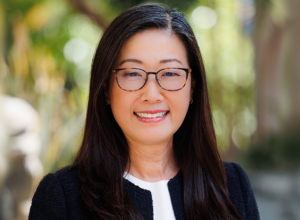
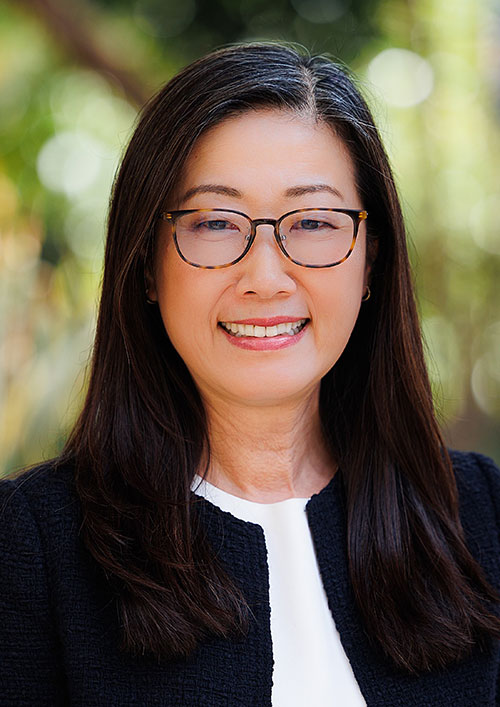
Jinhee Jeannie Nguyen, DNP, MBA, RN, NEA-BC

Huntington Health, an affiliate of Cedars-Sinai, has announced Jinhee Jeannie Nguyen, DNP, MBA, RN, NEA-BC, will be joining its executive management team in the role of Chief Nurse Officer (CNO), as of July 29, 2024.

“Jinhee’s passion for educational and leadership development has made her an ideal fit for this crucial role,” said Lori J. Morgan, MD, MBA, president and CEO, Huntington Health. “We are excited to welcome Jinhee to our executive leadership team and look forward to her playing a key role in driving excellence in nursing practice and patient care.”

Jinhee began her career in health care 32 years ago as a staff nurse in the emergency and trauma center of Los Angeles General Medical Center, and from there went on to work as a clinical nurse specialist in the emergency department at The University of California, San Francisco (UCSF) Medical Center. Jinhee joins Huntington with extensive experience in a non-profit health system from Adventist Health Glendale Medical Center, where she advanced professionally over the last twenty years across roles in nursing and quality leadership. She began as a nurse manager staff nurse in their emergency room, has served as Associate CNO and, most recently, Vice President and Patient Care Executive.

“As I was getting to know Dr. Morgan, members of the executive management team and the search committee, I felt deeply connected with Huntington’s mission, vision and values,” said Jinhee. “I look forward to meeting the nurses, physicians and employees who make Huntington a special place to work and receive care; and, as a Pasadena resident myself, it’s a true privilege to serve the community I also call home.”

Jinhee is especially drawn to Huntington’s Magnet Designation, and the significance it marks for excellence in nursing. “With a passion for developing nurse leaders, I’m looking forward to leveraging Magnet’s foundational framework of transformational leadership to grow emerging nurse leaders, who serve as the lynchpin for clinical excellence,” says Jinhee.

This spring, Jinhee received her Doctor of Nursing Practice (DNP) from Johns Hopkins University, alongside her Master of Business Administration (MBA), with a specialization in health care management, innovation, and technology. Jinhee previously earned her Master of Science in Nursing (MSN) from UCSF, specializing in critical care and trauma, and her Bachelor of Science in Nursing (BSN) from California State University, Los Angeles. Jinhee has also taught nursing at the UCSF School of Nursing and West Coast University.

Jinhee lives in Pasadena with her husband and two children.

# # #

Cedars-Sinai physician works locally at Huntington Health, acts globally to provide care

Cedars-Sinai physician works locally at Huntington Health, acts globally to provide care

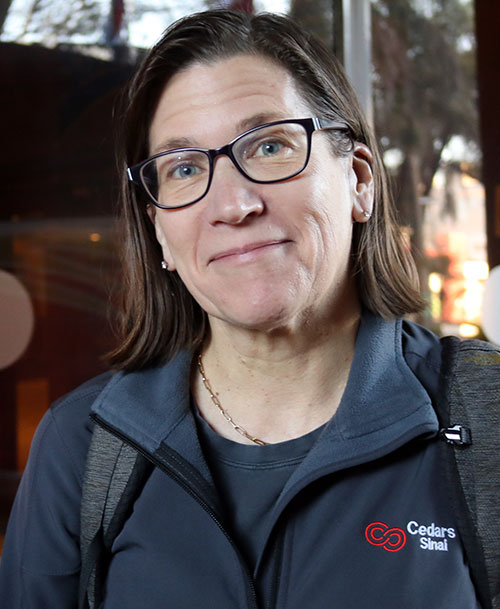
Pasadena otolaryngologist, Karen Linnea Peterson, MD, FACS, with Huntington Health, a Cedars-Sinai affiliate, recently traveled to Guatemala with the non-profit organization, Hospital de la Familia, to donate supplies and provide care for patients suffering from nasal, sinus, voice/throat and ear issues. Dr. Peterson specializes in thyroid/parathyroid surgery and voice/swallowing disorders. Together, with a team of caregivers, Dr. Peterson treated over 100 patients and performed 15 surgeries.

Headshot: Karen Linnea Peterson, MD, FACS,
Karen Linnea Peterson, MD, FACS

The trip was originally scheduled for October 2023, but was rescheduled to February 2024 due to civil unrest in the country related to elections. Two otolaryngologists (including Dr. Peterson), eight audiologists, two ophthalmologists and two ophthalmology residents with Hospital de la Familia made the journey to donate their time and expertise.

After flying into Guatemala City, the team traveled to the small mountain village of Nuevo Progreso, where Hospital de la Familia is located. Here, visiting medical specialists from the U.S. collaborate with local health care providers to render care to those in need. People travel from across the region for this expert care when specialists are in town.

Dr. Peterson and the team also brought much-needed supplies to the clinic. “Thanks to the support of Huntington Health, I was able to bring five duffels of donated equipment and supplies! These were much appreciated and quickly absorbed into the operating room,” said Dr. Peterson.

In Nuevo Progreso, Dr. Peterson and her colleague alternated between the clinic and operating room (OR) for several days, where they worked with Guatemalan physicians to care for patients. “The local physicians joined us in the clinic and rounded with us on post-operative patients. They triaged patients before the trip and then while we were there helped interface with the anesthesiologists to make sure patients were optimized for surgery or deferred for further workup,” she explained. The pair worked with local anesthesiologists and operating room staff. The audiology team worked alongside the otolaryngology team and also independently supported hearing needs.

Not only did the trip help numerous Guatemalans; it was a united front of care. “It was an amazing experience to be part of a collaborative, dedicated team working to provide optimal care with limited resources,” said Dr. Peterson.

Dr. Peterson has become part of a large group of Cedars-Sinai physicians who provide expert care to children and adults through non-profit organizations around the world. Here in Pasadena, Dr. Peterson cares for adult and pediatric patients who require thyroid, parathyroid, laryngology/voice surgery. To learn more about otolaryngology care at Huntington Health, a Cedars-Sinai affiliate, click here.

Huntington Health celebrates Pride Month and its designation as a High Performer in the Healthcare Equality Index 2024

Huntington Health celebrates Pride Month and its designation as a High Performer in the Healthcare Equality Index 2024

Huntington Health, a Cedars-Sinai affiliate, was recently designated as a High Performer in the Human Rights Campaign (HRC) Foundation’s 2024 Healthcare Equality Index (HEI). The HEI is the leading national benchmarking tool for LGBTQ+ inclusive policies and best practices in health care facilities.

“Huntington’s latest designation is a testament to our commitment to deliver equitable and inclusive high-quality care. It also shows our community that Huntington is committed to creating a safe place to receive care for everyone,” said Pamela Weatherspoon, vice president, enterprise, diversity, equity, inclusion, wellness & engagement.  

This recognition is welcomed news because according to a recent Center for American Progress survey, 30% of lesbian, gay, bisexual, and queer (LGBQ) respondents and 51% of transgender or non-binary respondents had negative experiences with health care clinicians, and more than 1 in 5 LGBTQ+ adults postponed health care treatment because of disrespect or discrimination by health care health care clinician.  

“The Healthcare Equality Index is helping people find facilities where welcoming policies and practices are the standard. We know that LGBTQ+ people – especially our trans family – continue to face discrimination in the doctor’s office. No one should have to put their health on the backburner for fear of mistreatment in a health care facility or by their doctor,” said Kelley Robinson, president of the Human Rights Campaign.

Fortunately, health care is stepping up to provide this need. This year, 1,065 health care facilities nationwide participated in the assessment. The designation “LGBTQ+ Healthcare Equality Leader” was awarded to 384 facilities, and alongside Huntington, 462 others earned the designation “LGBTQ+ High Performer.”

Since 2007, the HRC Foundation has continually raised the bar to align with best practices for inclusive LGBTQ+ health care. In 2024, these rigorous criteria were assessed and scored:  

1. Non-Discrimination and Staff Training

2. Patient Services and Support

3. Employee Benefits and Policies

4. Patient and Community Engagement

5. Responsible Citizenship

To see Huntington’s assessment, visit its score card. To read the full 2024 report, visit the HEI website.

Senior Care Network: Celebrating 40 years of service to our community

Senior Care Network: Celebrating 40 years of service to our community


Senior Care Network (SCN), founded in 1984, is celebrating 40 years of service to the San Gabriel Valley! Located on the Huntington Hospital campus, SCN is one of the few hospital-based programs in the country meeting the diverse needs of older adults, adults with disabilities and their families. SCN’s team includes social workers and public health nurses, as well as volunteers and students. To address social determinants of health, SCN also partners with physicians, mental health and community-based providers, and health plans. Together, the organization serves more than 15,000 community members annually with the ultimate goal of helping people age well and live safely in their homes. 

SCN assists in many ways, including supporting family caregivers, locating and arranging needed services, and giving advice about aging concerns. The organization has established itself locally and nationally to positively impact the health and well-being of adults in our community throughout the care continuum.

Senior Care Network is funded by a combination of public programs, community donations, and proceeds from Huntington Collection resale shop, enabling them to offer these free programs and support services:

  • 50+ Health Connection newsletter.
  • Assisted Living Waiver Program (ALW).
  • Caregiver support.
  • Multipurpose Senior Services Program (MSSP).
  • A call-in community resource center with expert staff.
  • The Senior CareLine, a free telephone service to help seniors stay socially connected.
  • Support for all socioeconomic levels: Medicare, Medi-Cal, dual-eligible, homeless, middle-income and wealthy.
  • Support for language needs.

“We are so proud to celebrate 40 years of serving our community,” said Eileen Koons, MSW, ACSW, director, Senior Care Network. “Our dedicated team works closely with individuals and families every day, personally answering questions to help them navigate through the health-related challenges of aging. This personalized approach has supported thousands of older adults and people with disabilities to live safely and continue to thrive in the community.”


For more information about Senior Care Network, call  (800) 664-4664  or visit the Senior Care Network webpage.

At risk for stroke? Here’s what you need to know.

At risk for stroke? Here’s what you need to know.

May is Stroke Awareness Month, a time to learn about or brush up on symptoms, prevention and treatment of this life-threatening condition. In light of this, we’re sharing highlights from an informative talk neurologist Arbi Ohanian, MD, medical director of comprehensive stroke program at Huntington Health, gave on Senior Care Network’s Noon Hour about stroke, innovations in stroke care and its risk factors/prevention.

Stroke Stats

Dr. Ohanian shared some alarming stroke statistics*:

  • Every 40 seconds, someone in the U.S. suffers from a stroke.
  • Annually, almost 800,000 strokes occur in the U.S. (i.e., 1 in 6 Americans).
  • It’s the leading cause of disability.
  • It’s the fifth leading cause of death.
  • About 90% of strokes are due to modifiable risk factors.
  • The risk of stroke increases after the age of 65.
  • Due to an aging population and obesity rates, stoke cases will double every decade, making stroke a public health crisis.

What Is a Stroke?

Dr. Ohanian described a stroke as “the plumbing of the brain going wrong,” and explained the two types of strokes that can occur: an ischemic stroke, where the “pipe” gets clogged, and a hemorrhagic stroke, where the “pipe” bursts. In medical terms, ischemic stroke, which is the most common type of stroke, occurs when a blood clot blocks blood flow in an artery (in the neck or skull) that has been narrowed by cholesterol and plaque buildup. This prevents the brain from getting oxygen and nutrients. A hemorrhagic stroke occurs when a blood vessel bursts, causing bleeding inside or around the brain, which damages brain cells.

He also mentioned another type of stroke condition called a transient ischemic attack (TIA), which he referred to as “one of the most underappreciated conditions in medicine.” With TIA, a blood clot temporarily blocks a blood vessel, depriving the brain of oxygen and blood flow and briefly causing symptoms, like difficulty speaking. But then the blood clot breaks up, blood flow is reinstated, and the symptoms go away. “A lot of times, people will just ignore it. Unfortunately, that’s a very important finding,” he said. Telling a doctor about these symptoms can uncover conditions that could lead to a major stroke, like a narrowed carotid artery or atrial fibrillation (i.e., abnormal heartbeat). With this information, doctors can manage the condition and prevent a major stroke.

Time is Brain

What happens during a stroke? Each minute during a stroke, a patient loses about 2 million neurons,14 billion connections between nerve cells and about 7.5 miles of nerve cell fibers (the “wiring”). That is why doctor’s say, “Time is brain.” So immediate intervention is vital. 

The Symptoms of Stroke: BE FAST

The well-known acronym, BE FAST, spells out the abrupt onset of stroke symptoms and reminds us to seek medical help immediately. Dr. Ohanian broke them down:

Balance: Sudden loss of balance.
Eyes: Sudden vision loss.
Face: When asked to smile, one side of the face droops.
Arm: When asked to lift both arms, one arm drifts downward after lifting it or doesn’t raise at all.
Speech and language:  Slurred speech; difficulty speaking (can’t speak or sounds like gibberish); difficulty repeating a simple sentence (e.g., The sky is blue.); difficulty understanding communication.
Time:  Call 911 if someone has any of these symptoms.

What Treatments Are Available?

Up until 1990, hospitals had little to offer stroke patients other than aspirin, which was minimally effective. Today, hospitals have many treatments, and Huntington Health, which provides a Joint Commission certified comprehensive stroke center, can quickly treat patients with quality, higher-level interventions in an organized process. Here are possible treatments for stroke after a patient has undergone imaging:

  • Tissue plasminogen activator (TPA): A drug that dissolves blood clots; reopens 40% of arteries.
  • Retrievers: Devices that pull clots out of a blocked artery; reopens 85% of arteries.
  • Aspiration devices: Instruments that vacuum a clot out of a blocked artery; reopens 85% of arteries.      

Risk Factors and Prevention for Stroke

Strokes are highly preventable if the following risk-factors are mitigated or managed:

  • High blood pressure.
  • High cholesterol.
  • Smoking.
  • Atrial fibrillation.
  • Heavy alcohol use.

Along with eating a healthy diet, reducing alcohol and avoiding smoking, Dr. Ohanian shared one last important tip for stroke prevention: “Exercise is more effective than all the medications we give – just 30 minutes a day of brisk walking – if you do that, it goes a long way.”  

To learn more about stroke, click here.

*American Heart Association

Measles: What to do if you’re exposed

Measles: What to do if you’re exposed

With the recently confirmed case of measles in Los Angeles County in early April, you may be wondering what you should do if you or a loved one is exposed. Measles is a highly infectious disease that appears as a rash and can become life-threatening for at-risk groups, including children younger than 5 years old and people who are pregnant or immunocompromised, so it’s important to know your measles facts. Not to mention, in the U.S. measles cases are on the rise: already 121 measles cases have been reported in 2024, which is higher than double the number of cases reported in 2023.

“The nationwide increase in measles cases is disturbing but we now have collective knowledge of how to respond to dangerous viruses,” says Kimberly Shriner, MD, FACP, medical director of infection prevention and control, Huntington Health. “Staying informed, using common sense techniques like handwashing and avoiding sick contacts, following vaccine guidelines for children and at-risk individuals and protecting our most vulnerable community members will help address this health threat.”

Measles symptoms

The County of Los Angeles Public Health (LAPH) lists the following as measles symptoms, which can appear 1-3 weeks after exposure:

  • High fever (higher than 101° F).
  • Cough.
  • Runny nose.
  • Red and watery eyes.
  • Tiny white spots that may appear inside the mouth 2-3 days after symptoms begin.
  • Rash 3-5 days after other signs of illness, typically starting on the face then spreading to the rest of the body.

Measles exposure

Measles spreads through the air through breath, talking, coughing or sneezing and can stay in the air and on surfaces for many hours. A person may become infected from inhaling the contaminated air or touching an infected surface, then touching their eyes, nose or mouth. A person can spread the disease up to four days before or after a measles rash appears.

If you think you or a loved one has been exposed to measles, the first step is to contact your physician. This step is especially important for at-risk groups, those who’ve never had measles and/or those who’ve never received the measles vaccine because they are at risk for contracting measles after exposure. Your physician will review your medical records to determine if you are protected against measles.

Here are other important steps:

  • Monitor symptoms: look for a fever and/or an unexplained rash from 7-21 days after exposure.
  • If symptoms develop, quarantine and contact a doctor immediately for next steps. Do not enter a facility before alerting the office of measles exposure and symptoms.

Measles prevention

Measles can be prevented with a vaccine called the MMR or MMRV – both protecting against three diseases, measles, mumps and rubella, and the latter protecting against varicella, the disease commonly known as chickenpox. The vaccine is administered in two doses. According to the LAPH, two doses are 97% effective against measles and one dose is 93% effective. The LAPH also points out the spread of measles can be prevented if 95% of the community receives 2 doses of the vaccine.

If you suspect you have measles, please contact your physician immediately. To learn more about measles visit https://www.cdc.gov/measles/symptoms/signs-symptoms.html or ph.lacounty.gov/measles

Huntington Health provides more than $161 million in community benefits

Huntington Health provides more than $161 million in community benefits

As part of its non-profit mission, Huntington Health provides significant benefits to the communities it serves, often in the form of health education, outreach, and low or no-cost hospital care for the uninsured and those with limited means. Every year, Huntington Health submits the Annual Report and Plan for Community Benefit to the Department of Health Care Assessment and Information. In 2023, Huntington Health provided an estimated total of $161,549,349 worth of health care services and support to residents of the San Gabriel Valley and beyond.

“As the largest non-profit, health care institution in the San Gabriel Valley, we have an abiding commitment to improve the health and well-being of our community,” says Lori J. Morgan, MD, MBA, president and CEO, Huntington Health.” This community benefit report details the many ways Huntington Health, with support from our trusted community partners, enhances access to care throughout Pasadena and surrounding areas. I’m incredibly proud of these efforts.”

These community benefits include charity care for those patients unable to pay, as well as care expenses underwritten by the hospital that reflect the differences between the actual cost of the care and the amount of money received for patients covered by Medicare and/or Medi-Cal.

Community benefits support research, education and training, including clinical research, graduate medical education programs, scholarships, and continuing education in nursing and many other disciplines. It also directs benefits to the community-at-large, such as seniors, other vulnerable populations or the underserved, and those suffering from specific diseases (such as lung cancer).

“We are highly appreciative of the support provided by Huntington Health to the Pasadena Public Health Department’s Pasadena Outreach Response Team (PORT) program and our joint Community Health Needs Assessment of Greater Pasadena, in addition to the important role Huntington staff play in supporting community vaccination,” said Director of Public Health and Health Officer, Dr. Ying-Ying Goh. “This partnership provides support for our community’s health outside of the hospital, focusing on prevention and social drivers of health.”

Some highlights from the 2023 community benefits include:

  • 2,820 callers benefited from Senior Care Network (SCN) support and referrals
  • 2,572 community members received free Fentanyl and Narcan education
  • 1,681 free flu shots
  • 1,232 health screenings and counseling
  • 1,095 residents, interns and nursing students received education and training
  • 802 people with transportation assistance in the form of bus tokens and cab fares
  • 549 older community members participated in a virtual educational lecture series
  • 507 seniors received help to continue living safely in their homes.
  • 414 patients participated in cancer support groups
  • 357 people with lactation support post-discharge
  • 251 people with a six-week diabetes education series
  • 78 patients with discounted or free prescription medications

To learn more about this report and how Huntington supports the community, click here.