Here for a Healthier Community

Huntington Health Affiliation Celebrates Third Year

Huntington Health Affiliation Celebrates Third Year

Recently passing its third year of affiliation with Cedars-Sinai Health System, Huntington Health continues to improve patient care through an expanded network of specialists and resources that leverage leading-edge technology, while also creating new opportunities for collaboration throughout the health system.

Technology

A new electronic health record, CS-Link, was introduced and has enhanced clinical connectedness and allowed patients to engage with their health journey. With CS-Link, Huntington now has a unified revenue cycle function, integrating Huntington Health, Cedars-Sinai Medical Center and Cedars-Sinai Medical Network into one revenue cycle process.  

Additionally, to streamline support for patients, employees, and physicians, Huntington began sharing Cedars-Sinai’s Enterprise Information Services (EIS) department. EIS provides systems, applications and device support around the clock.

Clinical Growth

Through affiliation, Huntington Health and Cedars-Sinai have built a network of specialists based in the San Gabriel Valley.

These specialty care programs have been established or have seen exceptional growth in the past three years:

New Epilepsy Monitoring Unit—Patients with uncontrolled epilepsy can now be evaluated at Huntington’s unit, which is equipped with cameras and bedside electroencephalogram (EEG) monitoring to track seizure activity. Patients can also receive MRI, PET and other imaging studies and neurocognitive, memory and language testing at the unit.

Huntington Cancer Center, an affiliate of Cedars-Sinai Cancer—Enhanced to include new oncology specialists and services that benefit local patients, such as an onsite infusion center and direct access to the Cedars-Sinai Cancer clinical trial network.

The Cardiac, Vascular and Thoracic Surgery Program—Developed to give patients access to surgical teams for complex cardiac, thoracic and vascular surgeries.

Fair Oaks Women’s HealthOne of the largest, longstanding obstetrical and gynecological practices in the San Gabriel Valley, officially joined the health system in the spring of 2023. The specialists offer obstetric expertise ranging from routine prenatal care to high-risk pregnancy.

Colorectal Surgery—A new program launched in March 2024 and offers surgical treatment of colorectal cancer, diverticulitis, hemorrhoids, colorectal cancer and other conditions affecting the lower digestive tract.

EndocrinologyNow available at Huntington Health Physicians (HHP) specialty offices, several endocrinologists have joined the team to deliver exceptional care for hormone disorders, including diabetes and adrenal.

Otolaryngology (ENT)Cedars-Sinai’s nationally recognized otolaryngology program has opened an office in Pasadena to provide a full spectrum of care for patients with conditions affecting the ears, nose and throat. This team offers treatment in rhinology and sinus disease, otolaryngology, laryngology and endocrine surgery, and pediatric otolaryngology services.

Rheumatology—Another addition to the HHP specialty offices includes rheumatologists who diagnose and treat autoimmune and inflammatory disorders.

Huntington Health’s affiliation with Cedars-Sinai helps deliver our promise to provide expert care, close to home. We celebrate three years, and the progress made to meet the evolving needs of our community today and for generations to come.   
New study shows promising drug for HIV prevention

New study shows promising drug for HIV prevention

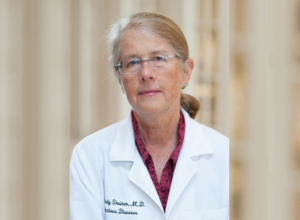
Kimberly Shriner, MD, FACP, medical director of infection prevention and control, Huntington Health, recently spoke on AirTalk about a breakthrough in HIV prevention. Lenacapavir, an antiretroviral medication used to treat HIV/AIDS, has been shown to prevent HIV in young women and girls. (Drug trials are also underway for men and gender-diverse individuals.) Because the drug is highly potent, it can be injected just twice a year.

That’s great news, especially for countries in sub-Saharan Africa, where girls and women accounted for 62% of all new HIV infections in 2023.[1] Lenacapavir might just be the way to harness the disease there and globally. “When you control HIV, you also prevent individuals from being infectious and transmitting disease to other people,” Dr. Shriner explained.

One challenge, however, is giving these countries access to the drug. Because of the high cost of pharmaceuticals, these countries are dependent on global AIDS outreach (e.g., the World Health Organization) to provide the medication. “We all have to join forces to try to overcome some of the economic obstacles that stand in the way of care for everyone,” Dr. Shriner said.

Also on the show, Moupali Das, MD, executive director, HIV Clinical Development at Gilead Sciences, research-based pharmaceutical company and maker of Lenacapavir, explained how Gilead is addressing these high costs (Lenacapavir can cost up to $42,000 per patient per year for HIV treatment). She said that Gilead offers tiered pricing for non-commercial markets like sub-Saharan Africa where people receive drugs through government programs, helping make the drug accessible to people in these regions.

Another challenge is getting people to test for HIV. “The most important thing is for people to be tested,” Dr. Shriner emphasized. “Sometimes people don’t know that they’re infected, so they haven’t had access to medications to control their disease and prevent transmission.”

Despite the challenges, Dr. Shriner is optimistic: “I’m hopeful that we’re going to make some significant advances in antiviral therapy for all kinds of diseases in large part due to the commitment of pharmaceutical companies, patients, clinicians and countries to the HIV pandemic.”    

To listen to the full discussion, go to AirTalk: A new study offers a breakthrough in HIV prevention.

[1] Global HIV & AIDS statistics — Fact sheet, UNAIDS website.


[1] Global HIV & AIDS statistics — Fact sheet, UNAIDS website.

Huntington Health launches Patient Family Advisory Council to amplify patient voices 

Huntington Health launches Patient Family Advisory Council to amplify patient voices 

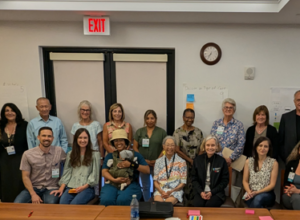
In July, Huntington Health proudly launched its Patient Family Advisory Council (PFAC). The inaugural event brought together a diverse group of patients, family members, caregivers and health care providers who are committed to collaborating and improving patient care. This initiative marks a significant step forward in Huntington’s mission to prioritize patient-centered care by providing a platform to actively listen to our patients and their families. Recognizing their experiences is vital to continuously enhancing the quality of care we provide. 
 
“We are thrilled to launch our new Patient Family Advisory Council,” said Debbie Jackson, associate director, patient experience, Huntington Health. “It will be instrumental in bringing the patient and family perspective to the forefront of our decision-making. Their insights will be invaluable as we work to improve the overall patient experience and create a health care environment centered around the needs of those we serve.” 

The council members are former patients and family members served by Huntington Health, Huntington leadership and members of the patient experience team. They will meet regularly to discuss various aspects of patient care. Through open dialogue and partnership with health care professionals, the PFAC will identify areas for improvement and implement patient-centric solutions. 

In keeping with Huntington’s dedication to continuous improvement and excellence in health care, the PFAC promises to elevate the standard of care and enhance the overall patient experience. 

For more information about the PFAC, go to: Patient and Family Advisory Council (PFAC) | Huntington Hospital (huntingtonhealth.org)

Especially for caregivers: Caregiving plan B.

Especially for caregivers: Caregiving plan B.

If you’re a caregiver, you may have wondered what would happen to your loved one if you became unable to provide care. What would you do if you suddenly got sick or if you had an accident? It’s unpleasant to think about, but creating a plan B can make your sudden absence, or need for additional support, a smoother transition. It can also bring you peace of mind. Read on to learn about what to consider when creating a contingency caregiving plan.

Rely on your team.

Build a support system before an emergency happens. Caregiving works best when friends or family members can pitch in, so the burden isn’t solely on your shoulders. Start by creating a list of tasks others you trust can assist you with, like buying groceries or picking up prescriptions. If they’re comfortable doing more, ask about what specific help they can offer if something were to happen to you.

Make your plan B official.

Review financial documents, insurance forms, living wills and other official documents. Make sure your loved one has a designated power of attorney, health care proxy or conservator. If you’re that person, work to update your loved one’s paperwork to list someone else who can take over your duties in an emergency. Also, make sure others on your trusted caregiving team have access to important online accounts and passwords.

Stay organized.

Important documents should be stored in a specific location. Create a folder or binder that also includes essential information like phone numbers of family members and doctors, medication lists, daily routines and preferences such as food likes/dislikes. Keep this information in your kitchen or other central location — and create a secure digital copy.

Take care of yourself.

It’s easy to neglect yourself when caring for others. But this can worsen existing health problems or lead to burnout (or both). To maintain good health, try your best to eat a healthy diet, get enough sleep and exercise regularly. Don’t have time for an hour workout? Take the stairs, go on a 20-minute brisk walk or take a free online yoga class. Practice wellness through a relaxing evening routine such as taking a warm bath, reading a book, meditating, listening to music, knitting — anything that quiets your mind. Finally, don’t put off preventive care and screenings, like your annual physical, colonoscopy, mammogram and flu shot. Your health is worth it — for both you and your loved one.

Sources: AARP and CDC.

—————————————————————————————————————————–

Are you a family caregiver? Senior Care Network (SCN) offers professional assistance; referrals to important resources; and support and educational groups specifically designed for family caregivers, including our Powerful Tools for Caregivers class. For more information, call SCN at (626) 397-3110 or (800) 664-4664 or email us at [email protected]. See also Calendar of Events for information about Powerful Tools for Caregivers.

On the younger side: reducing your risk of dementia.

On the younger side: reducing your risk of dementia.

Dementia is a topic that has been studied extensively, and new studies continue to shine a light on the condition. Scientists now believe there isn’t a single cause of Alzheimer’s disease and related dementias. It likely develops from multiple factors, such as age, family history and heredity. While these are risk factors we can’t change, we may be able to influence some through lifestyle modifications.

Some risk factors include:

• Smoking cigarettes.

• Not getting enough aerobic physical activity.

• Excessive alcohol use or binge drinking.

• Being significantly overweight.

• High blood pressure.

• Diabetes.

• Being clinically depressed.

• Hearing loss.

The good news is that these risk factors can be addressed through lifestyle changes. It’s well worth it: Exciting new research now shows that nearly 40% of all Alzheimer’s disease and related dementias may be able to be prevented or delayed. It’s never too late to break old habits and start new ones to help reduce your risk.

Here are some things you can do:

Get active. Aim for at least 20 minutes of aerobic exercise a day, seven days a week. Don’t worry, brisk walking counts! Adding light resistance or strength training can do even more to protect your health. Exercise can help you maintain or lose weight, which contributes to good health now and as you age.

Protect your heart. Some of the strongest evidence links brain health to heart health. Work with your doctor to monitor your heart health and treat any problems that arise.

Manage blood sugar. If you have diabetes, get your blood sugar under control. And even if you’re not diabetic, watch your sugar intake and avoid highly processed carbohydrate foods like white bread. Making small modifications can help — such as not adding sugar to meals; eating more whole-grain, high fiber foods; making fresh fruits and vegetables your go-to snack and drinking more water.

Prevent and correct hearing loss. If you’re repeatedly exposed to loud noises (like power tools) over time, it may cause hearing loss. Take steps to protect your hearing and talk to a hearing care professional if you think you may have hearing loss.

Find support. If you suffer from depression, contact your health care provider or therapist, and stay connected with your friends and family for support. Maintaining a healthy lifestyle and managing related chronic conditions is good for your overall physical health, facilitates and improves brain health, and may help decrease the risk of dementia or slow its progression.

Sources: CDC, American Heart Association and Alzheimer’s Association

This article first appeared in Huntington Senior Care Network’s 50+ Health Connection Newsletter. For more information about Senior Care Network resources, go to: Senior Care Network | Huntington Hospital (huntingtonhealth.org)

Windows outage update

Windows outage update

(This statement as been updated as of July 22, 2024, 10 a.m.)

Thanks to the outstanding work of our staff members, Huntington Health, a Cedars-Sinai affiliate, has addressed the issues we experienced after the CrowdStrike outage that affected computer systems worldwide. 

We remain open and continue to provide quality care to our patients.

Outdoor Safety Tips for Extreme Summer Heat Wave

Outdoor Safety Tips for Extreme Summer Heat Wave

Source: Getty Images.

Thorough Planning Is Key, Says Physician and Search-and-Rescue Expert

With much of the western U.S. tightly wrapped in what feels like a heated blanket, experts recommend advance preparation before heading outdoors.

John Rodarte, MD
John Rodarte, MD. Photo courtesy of John Rodarte, MD.

John Rodarte, MD, a pediatrician with Huntington Health, a Cedars-Sinai affiliate, said planning is key to avoiding heat exhaustion and heatstroke—serious conditions that can require emergency medical attention.

“Think of heat exhaustion and heatstroke as being on a continuum, with signs of heat exhaustion signaling the start of heatstroke unless the body is cooled quickly,” said Rodarte, also a volunteer with the Montrose Search and Rescue team, helping the Los Angeles County Sheriff’s Department respond to wilderness emergencies.

Since the current heat wave began at the beginning of July, Rodarte said, the rescue team has been busy responding to distress calls from overheated hikers.

Heat exhaustion occurs when the body loses excessive water and sodium, often because of overexertion, and can no longer regulate its temperature. Symptoms include a rapid heart rate, profuse sweating, muscle cramping, dizziness, headache, nausea and sometimes vomiting. If the body isn’t cooled and its temperature reaches 103 degrees, heatstroke—a medical emergency—can occur, causing confusion, seizures and loss of consciousness.

“People experiencing heat exhaustion should be cooled down quickly with ice packs, sips of cold water and rest in a shaded area,” Rodarte said. “With heatstroke, immediate first aid is needed. We use ice packs or ice baths, encourage drinking cold water and sometimes need to use intravenous fluids.”

The Cedars-Sinai Newsroom spoke with Rodarte about how people can minimize the risk of heat exhaustion and heatstroke during extreme summer temperatures.

When planning to be outside for an extended time, how should people prepare?

Plan activities for early morning or early evening if possible, avoiding midday, when the sun is strongest. If you’re exercising—hiking, for example—go around 7 a.m. or 8 a.m. That’s preferable to early evening because later in the day, it could get dark before you get back, and that presents another problem you may not be prepared for. Take plenty of water and a wide-brimmed hat or baseball cap to help keep the face shaded and head cool.

What are other good tips for outdoor exercise?

Don’t push your limits. If you’re going on a hike, have a good meal first so your body isn’t depleted. Drink water before you feel thirsty and take constant sips; don’t wait until you’re parched, because then you’re behind the eight ball. Electrolytes are also important for longer periods of exercise, and you can get those through sports drinks. Salty snacks are good, but make sure you’re drinking enough water along with them.

Also, be aware if you’re a person who overheats quickly. My face turns bright red when I’m exercising, so I take plenty of breaks. I pour water over my head and even into my hat. I also like to wet a bandana and tie it around my neck to help my body stay cool.

How much water should individuals drink?

It’s a little hard to say because everyone is different. It depends on exertion level, what the body is used to, and if the person is accustomed to exercising in the heat. It really comes down to everyone knowing their own body and how well they need to hydrate. And if a person doesn’t know, it’s best not to go out and overexert.

When someone becomes dehydrated when hiking, it’s easy to get disoriented and lost on the trail. It doesn’t take much for that to happen, especially in extreme heat.

What should people with chronic health conditions know about being outside in the heat?

If someone has an underlying condition that affects circulation—like heart disease or kidney disease—they are not going to be able to adjust as well to heat exposure. Medications for those conditions can also make hot weather dangerous. It’s best to avoid being outside in extreme heat as much as possible.

How can parents help kids stay cool?

Kids tend to overheat more quickly, and a telltale sign is when their faces turn beet red—that means they’re pushing too hard. Make sure kids are drinking plenty of water. I encourage parents to take breaks for their kids, to add rest time to the daily schedule. If the family is sightseeing on vacation, factor in midday breaks in an air-conditioned space. Our family toured Europe a few years ago during a heat wave. We purchased a few small, hand-held, battery-operated fans to use while walking around. Those little fans saved us.

Any other tips for helping Southern Californians beat the heat?

We’re lucky that we have many areas to enjoy that are typically cooler—our beaches, the mountains, local lakes. This is a mecca for outdoor adventure, and it’s great to take advantage of that, but be smart about it. Maybe walk through the streams on your hikes instead of around them. Find ways to be active that don’t place you in the middle of the extreme heat. In other words, this is probably not the best time to go rock climbing in Joshua Tree.

Anything else to mention about heat safety?

Don’t forget about your pets. If it’s hot for you, it’s hot—and maybe hotter—for your pet. If your pet is on a hike or a run with you, take water for them. I’ve seen dogs collapse on hiking trails and need to be rescued.

If your job requires you to work outside, take breaks in a shaded area, hydrate and wear moisture-wicking, breathable clothing that protects you from the sun.

Finally, a reminder that search-and-rescue operations in L.A. County don’t cost you anything. We’ve had hikers in distress not reach out to us because they’re afraid of being charged. Don’t wait too long to call us if you need help—that’s what we’re here for. That said, prepare for an outdoor activity in the ways I mentioned and save a rescue crew from hiking—sometimes hours at a stretch in triple-digit heat—to reach you.  

 U.S. News & World Report Names Huntington Health, A Cedars-Sinai Affiliate, Among the Top 10 Best Hospitals in California and Top Five Best Hospitals in Los Angeles for 2024-2025

 U.S. News & World Report Names Huntington Health, A Cedars-Sinai Affiliate, Among the Top 10 Best Hospitals in California and Top Five Best Hospitals in Los Angeles for 2024-2025

Huntington Health, an affiliate of Cedars-Sinai, has been named by U.S. News & World Report as a 2024-2025 Best Hospital, ranking number ten in California* and number five in Los Angeles*, and was recognized in 24 types of care.

“We are thrilled to be recognized for our outstanding patient care in our city and state,” said Lori J. Morgan, MD, MBA, president and CEO, Huntington Health. “As the healthcare leader in the San Gabriel Valley, Huntington Health is committed to providing excellent clinical care with the best possible outcomes to support our community. This award would not be possible without the skilled, compassionate patient care from each, and every one of our nurses, physicians, and employees.”

Huntington Health received national recognition in gastroenterology and GI surgery (#42). The facility was named ‘high performing’ in seven adult specialties, including cancer, diabetes & endocrinology, geriatrics, neurology & neurosurgery, orthopedics, pulmonology & lung surgery, and urology.

In addition, Huntington Health was named ‘high performing’ in sixteen procedures and conditions, including: spinal fusion, heart failure, colon cancer surgery, COPD, diabetes, gynecological cancer, heart attack, hip replacement, hip fracture, kidney failure, knee replacement, leukemia, lymphoma & myeloma, pneumonia, prostate cancer surgery, stroke and transcatheter aortic valve replacement (TAVR).

Huntington also acknowledges the outstanding performance of our health system in this year’s U.S. News & World Report Best Hospitals rankings. Cedars-Sinai Medical Center was named #1 (tie) in Los Angeles and #1 (tie) in California, and Torrance Memorial #4 in Los Angeles and #9 in California.

U.S. News evaluated nearly 5,000 hospitals across 15 specialties and 20 procedures and conditions; only 11% of evaluated hospitals earned a Best Hospitals ranking. Hospitals awarded a “Best” designation excelled at factors such as clinical outcomes, level of nursing care and patient experience.

“For 35 years, U.S. News has been a leading resource for patients navigating their health care decisions,” said Ben Harder, chief of health analysis and managing editor at U.S. News. “A ‘Best Hospital’ recognition empowers patients to seek out medical care from the best of the best to treat their illness or condition.”

To calculate the Best Hospitals rankings, U.S. News evaluated each hospital’s performance on objective measures such as risk-adjusted mortality rates, preventable complications and level of nursing care. The Best Hospitals Specialty rankings methodology and Procedures & Conditions ratings methodology measure patient outcomes using data from millions of records provided by the Centers for Medicare & Medicaid Services. This year, among other methodology refinements, U.S. News incorporated new data on care provided to patients with Medicare Advantage insurance and on care provided to outpatients, nearly doubling the number of patients included in its annual data analysis. The Procedures & Conditions ratings are based entirely on objective quality measures.

For more information, visit Best Hospitals and use #BestHospitals on Facebook, Instagram, TikTok and X (formerly Twitter).

About U.S. News & World Report

U.S. News & World Report is the global leader in quality rankings that empower consumers, business leaders and policy officials to make better, more informed decisions about important issues affecting their lives and communities. A multifaceted digital media company with Education, Health, Money, Travel, Cars, News, Real Estate, Careers and 360 Reviews platforms, U.S. News provides rankings, independent reporting, data journalism, consumer advice and U.S. News Live events.

“Two-way tie

Huntington Hospital’s cardiovascular services team completes 500th WATCHMAN procedure

Huntington Hospital’s cardiovascular services team completes 500th WATCHMAN procedure

An estimated six million Americans are affected by atrial fibrillation (AFib), an irregular heartbeat that can cause blood clots to form in the heart, leading to a stroke. Typically, patients take blood thinners (also called anticoagulants) to lower the risk of stroke; however, this treatment isn’t sustainable and safe for patients who have a risk of bleeding or are prone to falls. Enter the WATCHMAN™ Left Atrial Appendage Closure (LAAC) device, an alternative to blood thinners that stops stroke-causing blood clots from forming in the heart.

In 2018, a patient with AFib received the first WATCHMAN implant in the San Gabriel Valley at Huntington Hospital. Since then, Huntington’s cardiovascular services team has reached an incredible milestone: 500 WATCHMAN procedures performed!

“Only 10 years ago, we had to rely on solely on powerful blood thinners to reduce the risk of stroke with atrial fibrillation,” said Alex Durairaj, MD, medical director, cardiovascular services, Huntington Health. “Now, thanks to the hard work and dedication of our caregivers and staff at the Helen and Will Webster Heart and Vascular Center, we are able to provide another option for lifesaving care to help lower the risk of stroke.”

How it works

90% of blood clots that form due to AFib, occur in the left atrial appendage (LAA), a blind pouch in the left upper chamber of the heart.  The device closes off the heart’s left atrial appendage (LAA), preventing blood clots from forming, reducing the risk of a stroke. As specified, the device also gives most patients the greenlight to stop taking blood thinners in as little as six weeks after the procedure.

The procedure

 Alex Durairaj, MD, medical director, cardiovascular services, and Mayer Rashtian, MD, cardiologist.
 Alex Durairaj, MD, medical director, cardiovascular services, and Mayer Rashtian, MD, cardiologist.

Placement of the WATCHMAN is a one-time procedure performed under general anesthesia and takes about an hour.  It comes compressed within a small tube.  This allows it to be inserted via a large IV in the upper leg.   It is then advanced following the blood vessel into the heart.  Once the WATCHMAN arrives at the LAA, it opens like an umbrella and is permanently implanted to block blood clots. Patients commonly leave the hospital the same evening or sometimes the next day.

To date, more than 400,000 patients have received a WATCHMAN implant. Talk to your cardiologist if you would like to learn more about this procedure.

Team Tanzania’s latest journey to Africa

Team Tanzania’s latest journey to Africa

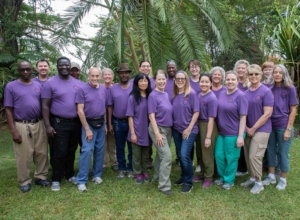
In February 2024, Huntington Health volunteers from Team Tanzania returned to Africa on their 12th mission to support the efforts of the Phil Simon Clinic Tanzania Project (PSCTP). Since 2002, the nonprofit has provided clinical and specialty care, veterinary care, education and social work in East Africa.

During the trip, the team accomplished many goals, including hosting a two-day scholarship conference, setting up new, safer venues for surgical teams, creating new collaborations for future medical teams, and establishing relationships with veterinary organizations/leadership. They also set the wheels in motion for an international project that focuses on One Health initiatives, which aim to improve the lives of all species by integrating human medicine, veterinary medicine and environmental science. PSCTP Founder and Project Leader Kimberly Shriner, MD, FACP, medical director of infection prevention and control, Huntington Health, gave us a glimpse into some of their important work this time around.

Scholarship Conference

PSCTP offers a health care scholarship program to ease the shortage of physicians and nurses in Tanzania. At the 2024 conference, outstanding and committed scholars were showcased. “Our scholars are curious, compassionate, motivated and inspirational. They are interested in diverse opportunities, including clinical work, leadership and research,” said Dr. Shriner. “Our scholarship program is one of the most impactful and lasting investments in PSCTP’s presence in Tanzania.”

Safer Venues for Surgical Teams

The team met with staff and leadership at Kilimanjaro Christian Medical Centre (KCMC), which is a tertiary referral medical center for Northern Tanzania, medical school and teaching hospital with multidisciplinary residencies. As a tertiary care center, KCMC provides services in trauma and emergency medicine, critical care, advanced surgical specialties and cancer therapies. The team also met with staff and leadership at the newly renovated Mount Meru Medical Center (MMMC) in Arusha. Of note, PSCTP awarded a scholarship to one of the gastroenterologists who works there, Ezekiel  Moirana, MD, who later established MMMC’s endoscopy suite. “Our meetings were successful and will open up new opportunities for clinical and academic collaboration with dedicated specialists on the PSCTP teams,” said Dr. Shriner.

Outpatient Clinical Venues

PSCTP has forged a new partnership outside of Arusha, Tanzania, to potentially provide infrastructure and support for much needed clinical services in an underserved area in the Ngorongoro Highlands. “Proving that scholastic inspiration can produce real effects in health care accessibility, PSCTP graduate, Dr. Rebeka Gurti, and her husband, Amani, have established a small, but impactful, outpatient clinic in their local village,” Dr. Shriner explained.  

Veterinary Relationships

The team met with Mbwa wa Africa Animal Rescue, which was originally a dog shelter and is now an animal welfare organization/hospital in the Arusha Region. They spay and neuter, vaccinate, shelter and rehabilitate dogs and cats. The relationship is an effort to form an alliance with academic, clinical and research colleagues/leadership in veterinary organizations in the region. “PSCTP will soon be sponsoring a veterinary student as part of its One Health mission,” Dr. Shriner noted.

One Health Project

According to a 2019 report from the Institute for Health Metrics and Evaluation, antibiotic-resistant infections are responsible for more deaths than HIV/AIDS and malaria in Africa. To better understand this resistance, scientists must study the microbes (normal and abnormal) that live in the intestines (i.e., gut) of humans and animals because the gut is the most significant reservoir of antibiotic-resistant bacteria. “This understanding of the composition, dynamics, impact and overlap of intestinal microbes between humans and animals (wild and domestic) is not only important for antibiotic resistance; it’s an important monitor of global health, finding zoonotic infections and discovering pathogens that nobody has seen before that could become pandemics,” Dr. Shriner explained.

PSCTP is initiating a pilot study to assess the feasibility and implementation of a collaborative, multidisciplinary global health project on this topic using One Health initiatives. The project will entail the following:

  • Assessing the health of individual organisms, communities and ecosystems.
  • Understanding interactions and overlap of organisms, communities and ecosystems.
  • Identifying zoonotic spillovers (i.e., infectious diseases transmitted between species).
  • Assessing the extent, diversity, impact and species crossover of bacterial pathogens and/or gut inhabitants exhibiting antibiotic resistance.​
  • Measuring ecosystem interdependencies, influences, dynamics, diversity and reflection of species health and interfaces​.
  • Creating a global database.

Dr. Shriner has proposed assessing the microbial characteristics of inhabitants of several diverse ecosystems in East Africa. She is also interested in conducting this research in Southern California in the near future.​

She closed with praise for the program: “The generosity and dedication of so many members of the Huntington Hospital community have made an enormous difference in the health of people in Tanzania. It speaks to the quality of care that we provide for communities – even outside our walls.”

To learn more about the PSCTP, visit philsimontanzania.org.