Here for a Healthier Community

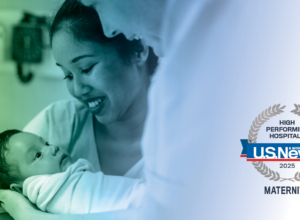
Huntington Health Named to U.S. News & World Report 2025 Best Hospitals for Maternity Care

Huntington Health Named to U.S. News & World Report 2025 Best Hospitals for Maternity Care

U.S. News & World Report, the global authority in hospital rankings and consumer advice, has named Huntington Health as a 2025 High Performing hospital for Maternity Care. This is the highest award a hospital can earn as part of U.S. News’ Best Hospitals for Maternity Care annual study.

“We are incredibly proud to be named one of the Best Hospitals for Maternity Care by U.S. News & World Report for 2025,” said Jinhee Nguyen, DNP, MBA, RN, NEA-BC, chief nursing officer, Huntington Health. “Huntington Hospital has been the preferred place for childbirth across generations of families in the San Gabriel Valley. This recognition is a true reflection of the deep commitment of our nurses, physicians, and staff to the safest and healthiest birth experiences for mothers and babies.”

U.S. News began evaluating maternity care hospitals in 2021, rating hospitals that provide labor and delivery services and submit detailed data to the publication for analysis. Best Hospitals for Maternity Care assist expectant parents, in consultation with their prenatal care team, in making informed decisions about where to receive maternity services that best meets their family’s needs.

Huntington Health earned a High Performing designation in recognition of maternity care as measured by factors such as severe unexpected newborn complication rates, birthing-friendly practices and transparency on racial/ethnic disparities, among other measures.

U.S. News evaluated 817 hospitals from across the United States. Only half of all hospitals evaluated for U.S. News’ 2025 ratings edition have been recognized as Best Hospitals for Maternity Care.

“The hospitals recognized by U.S. News as Best Hospitals for Maternity Care showcase exceptional care for expectant parents,” said Jennifer Winston, Ph.D., health data scientist at U.S. News. “These hospitals demonstrate significantly lower C-section rates and severe unexpected newborn complications compared to hospitals not recognized by U.S. News.”

The U.S. News Best Hospitals for Maternity Care methodology is based entirely on objective measures of quality, such as C-section rates in lower-risk pregnancies, severe unexpected newborn complication rates, exclusive breast milk feeding rates, birthing-friendly practices and reporting on racial/ethnic disparities, among other measures.

For more information, visit Best Hospitals for Maternity Care

About U.S. News & World Report

U.S. News & World Report is the global leader for journalism that empowers consumers, citizens, business leaders and policy officials to make confident decisions in all aspects of their lives and communities. A multifaceted media company, U.S. News provides unbiased rankings, independent reporting and analysis, and consumer advice to millions of people on USNews.com each month. A pillar in Washington for more than 90 years, U.S. News is the trusted home for in-depth and exclusive insights on education, health, politics, the economy, personal finance, travel, automobiles, real estate, careers and consumer products and services.
Measles: What you need to know

Measles: What you need to know

The latest measles outbreak in West Texas, and now New Mexico, is causing alarm due to the number of cases and how quickly it’s spreading. As a result, the Centers for Disease Control and Prevention (CDC) has issued a health alert.

Measles is a highly contagious virus that causes a high fever, rash, cough and red eyes. It can lead to life-threatening complications, like brain inflammation (encephalitis), pneumonia and in some cases, death. According to the CDC the outbreak has grown to 301 total confirmed cases within 15 states, including three in California (at the time of this writing). Two individuals have died – a child in Texas and an adult in New Mexico. This is especially alarming as Americans gear up for spring and summer break travel, giving more opportunities for the virus to spread.

“To get an outbreak of this size and so quickly, it makes us nervous for what could be coming up the rest of this year,” said pediatrician John Rodarte, MD, Huntington Health Physicians, on ABC7 Eyewitness News, Los Angeles. “The measles virus is so robust, an unvaccinated person can catch it two hours after an infected person leaves the room. It’s contagious and dangerous.”

Here’s a quick breakdown of what you need to know.

General information

  • Measles is one of the most contagious diseases in the world; individuals can spread it for about eight days, including four days before the rash appears and four days after the rash has been present.
  • It’s an airborne virus that hangs in the air for up to two hours and can land and live on surfaces for several hours; people can contract the virus from breathing in infectious droplets spread through coughing, sneezing or talking, or from exposing their mouth, nose or eyes to the virus after touching an infected surface.
  • The groups with the highest risk for measles complications are children younger than 5, adults older than 20, pregnant women and people with weakened immune systems.
  • Although infections in vaccinated people can occur where high levels of measles are circulating, one dose provides 93% protection; two doses provide 97%–98% protection.
  • If vaccination rates stay above 95% in a given area, cases typically remain low.

Prevention

  • Doctors recommend that children get two doses of the measles, mumps and rubella (MMR) vaccines – the first, at 12 months old, and the second, at 4–6 years old.
  • Individuals born after 1957 and vaccinated before 1968 may need a booster shot to protect against measles.
  • If you or someone you know are experiencing symptoms or were exposed, seek medical advice on diagnosis, treatment and preventing the spread to others.

For more information, watch the ABC7 Los Angeles news story that aired on March 11.

Doc Talk with Kimberly Shriner, MD, FACP, medical director of infection prevention and control: What we know about bird flu

Doc Talk with Kimberly Shriner, MD, FACP, medical director of infection prevention and control: What we know about bird flu

Bird flu (H5N1 virus) has been in the news lately, following the Louisiana Department of Health’s announcement that a patient hospitalized with the virus in January 2025 had died, which is the first U.S. death from H5N1. The Centers for Disease Control and Prevention (CDC) still considers bird flu a low risk to humans, but it’s monitoring it carefully. Huntington Health’s Medical Director of Infection Prevention and Control, Kimberly Shriner, MD, recently answered our top five questions about bird flu. 

  1. What is bird flu and what are the concerns?  

Bird flu (also called avian influenza or H5N1) is a form of influenza that has spread widely in wild birds over the past several years. It has now adapted to infect a wide variety of other animals including dairy cattle (and their milk), felines and marine mammals. The increase in cases in wild animals around the world may speak to infectious adaptations that the H5N1 virus has made. And it’s not surprising that we are seeing a rise in H5N1 in animals that are housed together as they are on farms. Although it is a concern that the H5N1 virus could develop a genetic adaptation that would enhance human-to-human transmission, we have not yet seen that form of transmission occur regularly.

  • How many human cases have been reported in the U.S.?

There have been 70* cases of H5N1 infections, with one death in the U.S. Many of these individuals had close contact with infected cows and chickens on dairy and poultry farms. Some veterinarians were infected. A few people were infected after having contact with home-raised chickens or wild birds that died in their yard. A few individuals tested positive for H5N1 after contact with infected cats. Most infections are mild in humans, but a few immuno-compromised individuals have required hospitalization.

  • What are the symptoms, and what should we do if we suspect we have it?

The infection is usually mild with flu-like symptoms of fever, muscle aches and congestion. Also, conjunctivitis (infection of the eyes) has been reported fairly frequently. Those who present with these symptoms and have an exposure history can go to the emergency department for an H5N1 nasal swab test. State public agencies will be notified, and they will perform a PCR test (i.e., a polymerase chain reaction lab test that diagnoses infections) for H5N1.

  • What is the treatment?

Treatment for humans is largely symptomatic as the disease usually is relatively mild or completely asymptomatic. Oseltamivir and other flu medications seem to show some efficacy with H5N1. A vaccine has been developed (though not deployed) for humans. Vaccines that may slow the spread of this virus are available for animals, including chickens.

  • How can humans avoid contracting bird flu?

Avoid contact: Prolonged exposure to infected animals on dairy and poultry farms; wild birds that are ill or have died; and other sick animals that may be carrying the virus. H5N1 can be passed into milk from dairy cattle (the virus concentrates heavily in the mammary glands of cows) and potentially from infected egg productions, but pasteurization and thorough cooking will kill the H5N1 virus (and other infectious diseases). Although there is much concern about eggs, most chickens with H5N1 are very quickly killed by the virus and do not lay eggs. Raw meat products, especially raw chicken, are causing concern, but the worry lies more in handling it than ingesting it. However, cooking eggs or meat thoroughly will also kill the virus (i.e., egg whites and yolks are firm, and internal temperature is 145°F for red meat and 165°F for poultry).

Whether a virus is low risk to humans (like H5N1 currently is) or high risk (like COVID during the pandemic), we can protect ourselves from viruses: Avoid sick contacts (animals and humans), practice good hand hygiene, clean and sterilize potentially contaminated surfaces, wear a mask in crowded situations, and alert your physician if you have been exposed or are becoming sick with a flu-like illness. Stay vaccinated for regular viral diseases, such as human flu and COVID (which can present just like H5N1), and follow reliable sources of information about this pathogen.

*As of March 10, 2025

Huntington Health Performs First Pulsed Field Ablation in the San Gabriel Valley

Huntington Health Performs First Pulsed Field Ablation in the San Gabriel Valley

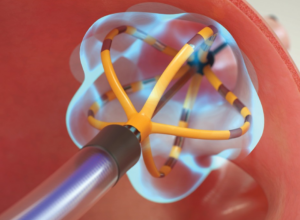
Recently, the cardiovascular team at Huntington Health, a Cedars-Sinai affiliate, successfully performed its first Pulsed Field Ablation (PFA), a new procedure that corrects the irregular heartbeat associated with atrial fibrillation (AFib) through electrical pulses. Led by Jesus Vazquez, MD, Huntington Health, this procedure created by Boston Scientific significantly expands Huntington’s electrophysiology offerings.   

“I am thrilled that our team has achieved this major milestone,” said Dr. Vazquez. “It is a great honor to be among the first to offer this highly advanced, new standard of care that will help countless patients with AFib in our community and across the globe.”

An estimated six million Americans are affected by AFib, which can cause blood clots to form, leading to stroke. FARAPULSE™ PFA System is increasingly being offered to patients with AFib who want to control their heartbeat but haven’t had success with medications. Although other methods that use cold or heat can be highly effective based on the type of AFib (e.g., Cryoablation, or freezing heart tissue, is effective for paroxysmal, or infrequent and sporadic, AFib), PFA offers patients an additional option which can minimize potential risks to surrounding tissues, depending on the patient’s unique clinical needs. The procedure uses electrical pulses to “zap” and stop the parts of the heart that cause the abnormal rhythm without damaging other tissues nearby. PFA is part of an expanded set of ablation tools, allowing physicians to choose the most appropriate method—whether cold, heat, or electrical pulses—based on each patient’s condition and treatment goals.

Mayer Rashtian, MD, medical director of the cardiac electrophysiology department at Huntington Hospital, has also started performing PFAs. “With this new technology, we are now utilizing PFA, Radiofrequency (RF) Ablation, Cryoablation and traditional RF Ablation,” said Dr. Rashtian. “I’m proud to be a part of the first and only hospital in the San Gabriel Valley to provide such a comprehensive range of ablation technologies.”

Over 40,000 patients have undergone the FARAPULSE™ PFA System worldwide. To learn more about the procedure, visit: https://www.bostonscientific.com/en-US/products/catheters–ablation/farapulse.html

Huntington Health Celebrates 1100th ‘TAVR’ Procedure

Huntington Health Celebrates 1100th ‘TAVR’ Procedure

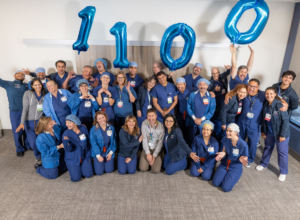
This month, Huntington Hospital’s cardiac team at the Helen and Will Webster Heart & Vascular Center will celebrate its 1,100th Transcatheter Aortic Valve Replacement (TAVR)!

“I’m proud to celebrate this achievement with our entire team at the Webster Heart & Vascular Center,” said Azhil ‘Alex’ Durairaj, MD, medical director, cardiovascular services, Huntington Health. “February is Heart Month, and I can’t think of a better time to celebrate the lives of all 1100 patients and their families, who have benefited from this innovative, non-invasive procedure.”

TAVR, a minimally invasive replacement of heart valves, is designed to treat aortic valve disease, a common condition that develops as people get older. The TAVR procedure is a revolutionary new way to replace an aortic valve without a chest incision or the use of a heart lung machine. Studies show patients who have received this new device not only live longer, but feel better, and significantly improve their quality of life. In 2015, Huntington became the first hospital in the San Gabriel Valley to perform this procedure.

Congratulations to our team! For more information about TAVR, go to: Cardiac Treatment Options | Huntington Hospital

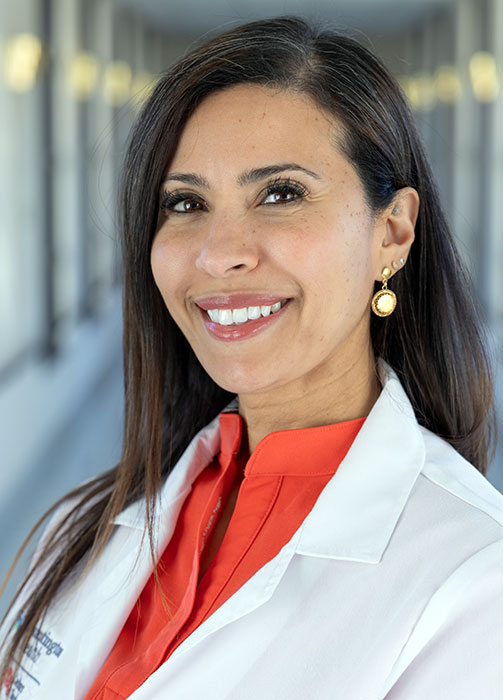
Wafaa Alrashid, MD, Elected Chief of Medical Staff at Huntington Hospital

Wafaa Alrashid, MD, Elected Chief of Medical Staff at Huntington Hospital

Wafaa Alrashid, MD
Wafaa Alrashid, MD

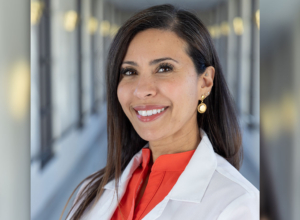
Wafaa Alrashid, MD, has been elected chief of medical staff for Huntington Hospital, effective January 1, 2025. Dr. Alrashid will lead a medical staff of more than 1,000 physicians who serve the San Gabriel Valley.

“I’m thrilled to congratulate Dr. Alrashid on her new position as chief of medical staff,” said Lori J. Morgan, MD, MBA, president and CEO, Huntington Health. “The Eaton Canyon wildfire broke out just seven days into her term. Dr. Alrashid immediately sprung to action – supporting Huntington physicians impacted by the wildfires and coordinating Huntington’s clinical efforts to provide much needed health care in the community. She is a compassionate physician with a keen eye for quality, patient safety, policy and process. Apart from her 20 years’ experience, she brings passion, vigilance, and excellent leadership and communication skills to her role. This not only helps our physicians and patients; it upholds our mission to provide outstanding, compassionate care to the community.”

Dr. Alrashid specializes in internal medicine. She received her Bachelor of Science in biology from Utah State University and graduated from Howard University College of Medicine in 2004. She completed her residency at Huntington Hospital in 2007, became chief resident, then joined the Academic Hospitalist Medical Group (now Huntington Aligned Medical Group). She was a hospitalist for over eight years. In 2015, she opened her practice at Huntington’s Pasadena-Congress office and has been there ever since. For over a decade, she has been on the faculty of Huntington’s Internal Medicine Residency Program, and in 2023, she became the program’s director. Dr. Alrashid has served on several committees, including the Medical Staff Executive Committee and Quality Improvement and Patient Safety Committee, which she chaired from 2020-2022.  

“I feel fortunate to have gained experience in so many areas of the hospital these past 20 years. It has provided me with a 360-degree view from the perspective of the patients, doctors, nurses, learners, leaders and teachers,” said Dr. Alrashid. “I am excited to take on the role of chief of medical staff. I plan to work on improving communication, quality of care and flow with medical staff leaders and the executive team.”

Dr. Alrashid was born in Logan, Utah, raised by her Iraqi father and Egyptian mother. She has always had a passion for science and people and knew at a young age that she wanted to be a doctor. She lives with her fiancé in Pasadena with their two dogs.

Cedars-Sinai, Huntington Health Pulmonologists Explain How to Avoid Breathing Unhealthy Particles in Smoke

Cedars-Sinai, Huntington Health Pulmonologists Explain How to Avoid Breathing Unhealthy Particles in Smoke

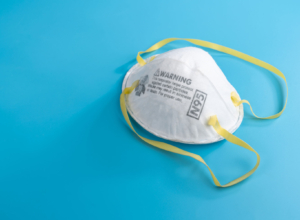
The best masks to protect the lungs from microscopic particles found in dust, smoke, smog and particulate matter are N95 masks that can filter out really small particles, according to Cedars-Sinai experts. Image by Getty.

As wildfires rage throughout Los Angeles County, the air quality is unhealthy—even if the Air Quality Index listed on smartphone weather reports indicates otherwise.

That’s because the weather data does not measure many dangerous pollutants circulating in the air from smoke and wind, said pulmonologist Jeremy Falk, MD, associate professor of Medicine at Cedars-Sinai.

“People may think, ‘Well, I don’t see or smell smoke anymore, and it looks sunny like it normally does in Southern California,’ and be lulled into thinking everything is fine,” Falk said. “But much of what can harm us in situations like this doesn’t have an odor. The Air Quality Index system was developed for everyday pollution, and not necessarily to warn us about particles that are not typically in the air because of wildfires.”

Falk, along with Irina Dralyuk, MD, a Cedars-Sinai Guerin Children’s pulmonologist, and Daryl Banta, MD, pulmonologist and medical director of Pulmonology and Critical Care at Huntington Health, a Cedars-Sinai affiliate, said it’s best to err on the side of caution and stay as safe as possible during periods of bad air quality—which will be around as long as the fires continue to burn.

About the Air Quality Index

An Air Quality Index level of 101-150 indicates that people in sensitive groups (such as those with lung disease, severe allergies or heart disease) could experience sore throats, wheezing or difficulty breathing. A level of 151-200 means even those without chronic breathing problems could experience health effects.

Still, the Air Quality Index can be deceiving, Falk said.

“Homes and buildings are full of all kinds of materials that are toxic when burned—plastics, oil products, metals—and the Air Quality Index does not pick up on that. Another limitation is in the unpredictable, shifting winds. You don’t know if the air quality data that you’re viewing is up to date. What may be an ‘acceptable’ level of air pollution one minute may be a very different level half an hour later. It’s the unknown that makes this situation so dangerous.”

The South Coast Air Quality Management District is a good resource to check updated air quality in your area.

Benefits of Wearing a Mask

“What makes the air pollution associated with fires so dangerous is that the particles that seem to do the most damage are much smaller than even the microscopic droplets we saw with COVID-19,” Falk said. “Because the particles are so tiny, they can fit between the fibers of a simple paper mask or cloth mask and get far down into our airways, causing damage.”

The best masks to protect the lungs from microscopic particles found in dust, smoke, smog and particulate matter are N95 masks that can filter out really small particles, down to the 2.5-micron level, Banta said.

He advised wearers to make sure that their N95 masks fit properly. 

“If there is any leak around the mask because of a beard or incorrect size, you may be exposing yourself to unhealthy air or smoke,” Banta said.

Safety Outside and Inside

“The longer you’re outside breathing air that we know is not safe, the more you’re putting yourself at high risk,” Falk said. “While the fires are still happening, any exercise that could be moved to an indoor space is preferable. If you really do need to be outside for any reason, wearing the N95 mask is the best approach.”

When inside, Banta said, close windows, make sure any cracks are sealed and that there’s a good air filtration system. Check that any air conditioner is recirculating air that is in the structure and not pulling in air from the outside.  

“If there is significant smoke, ash or dust inside, wear masks indoors,” he said. 

Most modern cars also have a recirculating option, although drivers should check to make sure the automobile’s air filters have been changed recently.  

Parents should keep an eye on children who have a cough, wheezing, noisy breathing, chest tightness or pain, increased rate of breathing or increased heart rate, shortness of breath, retractions, labored breathing, gasping for air, throat irritation, hoarse voice, confusion, dizziness, or mental changes.

“It’s advisable for children of all ages to wear an N95 mask when outside,” Dralyuk said. “Also, avoid outdoor sports or events, and evacuate the area if your child is having symptoms or the air quality is very poor, or if your child has risk factors for respiratory issues.”

If children have respiratory issues, make sure they take all scheduled medications as prescribed, and have rescue inhalers at home. Also, check expiration dates and number of puffs left, and get refills as necessary.

Watch for Symptoms

Direct, prolonged smoke inhalation or exposure is very dangerous.

“If you have severe symptoms, such as severe cough, shortness of breath, chest pain, dizziness or confusion after smoke exposure, seek immediate medical attention,” Banta said.

Milder symptoms can include irritated or watery eyes, runny nose, scratchy throat, wheezing, headache, dry eyes, phlegm or irritated sinuses. Older people and very young children can be more susceptible to these effects, as well as people who have preexisting lung or heart problems.

For people with chronic medical conditions, exposure to smoke and unhealthy air could potentially increase the risk for stroke, heart attacks and lung conditions. People exposed to prolonged amounts of particulate matter also may be at increased risk for lung cancer.

“If the air outside is bad to breathe, do what you can to not breathe it,” Falk said. “There’s nothing high tech about it. Just use common sense—that’s going to be our best way out of this.”

Huntington Health Resumes Community Health Services in Wake of Devasting Wildfires

Huntington Health Resumes Community Health Services in Wake of Devasting Wildfires

President and CEO, Lori J. Morgan, MD, MBA, shares message of gratitude to first responders and impacted employees

Huntington Hospital remained open for safe emergency and inpatient care throughout this terrible disaster. Now, thanks to the swift and expert work of our teams, nearly all Huntington community physician offices, as well as partner locations for urgent care and imaging, are reopened. Most surgeries and procedures have resumed, both at the hospital and in Huntington’s outpatient surgery center.

“My heart is with our beloved community, and I know many of you are still reeling from these devastating fires,” said Lori J. Morgan, MD, MBA, president and CEO, Huntington Health.  “First, I would like to take this opportunity to express appreciation for the tireless work of firefighters, police, and emergency responders working day and night to protect our community. Our incredibly devoted employees and physicians at Huntington Health continue their work caring for the community, 24/7, despite the loss of their own homes, evacuations and extreme stress caused by this disaster. Over 2500 Huntington employees have been impacted by the fires – that’s almost 50% of our workforce. We are doing everything we can to help support our Huntington Family and help them navigate through this crisis.”

Huntington’s priority has always been the health and wellness of our community, and the hospital is dedicated to helping those who need immediate care, particularly due to the air quality.

Daryl Banta, MD, pulmonologist and medical director of pulmonology and critical care, Huntington Health, shared important information about air quality issues caused by wind and smoke throughout Pasadena and Los Angeles, including:

  1. Follow evacuations orders.  Evacuation orders indicate an immediate threat to life.  If emergency management representatives tell you to evacuate, gather important items and travel to a safe location away from the affected area.
  2. Organize a fire safety plan.   Gather everyone in your household and walk them through your plan for safety.
  3. Check local air quality.  Use your weather application to determine the Air Quality Index (AQI).  An AQI more than 101 indicates dangerous levels in sensitive groups.
  4. Stay indoors.  If you can shelter at home, make sure to close all your windows and doors. You do not want to let any outside smoke enter your home.  You should turn on your air conditioner if you have one.  Make sure you keep the fresh air intake closed and allow air to re-circulate in your home.  Make sure to change your air filter if it has not been changed recently.
  5. Avoid any strenuous activities if you have medical conditions including chronic heart or lung disease.Exposure to smoke and unhealthy air could potentially increase risk for stroke and heart attacks.   
  6. Wear a mask. If outdoor activities are essential during particularly smoky or poor air conditions, an N95 mask with proper fitting is recommended.
  7. Get early medical attention.  Exposure to unhealthy air and smoke is harmful.  If you experience severe cough, shortness of breath, fatigue, chest pain, dizziness or confusion after smoke exposure, seek immediate medical attention. Symptoms may worsen over time depending on the amount of exposure.

As the wildfires continue to burn, Huntington Health will be providing additional health-related information to our community. For a list of up-to-date resources, please go to: Wildfire Community Resources | Huntington Hospital. To find Huntington Health care locations, visit: https://www.huntingtonhealth.org/locations/                         

    A message from Huntington Health regarding the wildfires

    A message from Huntington Health regarding the wildfires

    Updated: January 9, 2025, 8 a.m.

    Our hearts are with our employees, patients, families, and friends in the San Gabriel Valley and throughout LA County as we see the impact of these devasting fires and winds.

    Huntington Hospital continues to provide safe emergency and inpatient care to our community. Our patient offices impacted by evacuation notices or heavy fire smoke, such as some community physician offices, imaging, and urgent care locations are closed. In addition, non-urgent, elective surgeries and procedures have been temporarily deferred.

    We are thinking about our community, patients and workforce who have been so tragically impacted by this terrible disaster. For a list of Eaton Fire resources and up-to-date information, please visit: Eaton Fire Community Resources | Huntington Hospital

    We are grateful for the tireless work of the firefighters who are working day and night to protect our community. We will provide additional updates as the situation evolves.

    Panda Cares Foundation Donates $400,000 to Support Neonatal Intensive Care Unit (NICU) and Pediatric Care at Huntington Hospital

    Panda Cares Foundation Donates $400,000 to Support Neonatal Intensive Care Unit (NICU) and Pediatric Care at Huntington Hospital

    Huntington Health recently received a generous donation of $400,000 from Andrew and Peggy Cherng of Panda Restaurant Group, through their philanthropic arm, Panda Cares Foundation. Funds from the donation will be used towards NICU and pediatric care at Huntington Hospital.

    “We are grateful Huntington Hospital has once again been selected as a recipient of fundraising efforts from the Panda Cares Foundation,” said Jane Haderlein, senior vice president, philanthropy and public relations, Huntington Health. “Over the past 25 years, Andrew and Peggy Cherng have supported compassionate and innovative care for our youngest patients. San Gabriel Valley children are stronger and healthier thanks to their commitment to our patients and families.”

    To learn more about NICU care at Huntington Hospital, go to: www.huntingtonhealth.org/NICU

    About Panda Restaurant Group

    Panda Restaurant Group, Inc. (“PRG”), the global leader in Asian dining experiences and parent company of Panda Express, Panda Inn and Hibachi-San, is dedicated to becoming a world leader in people development. Panda Restaurant Group’s humble beginnings started in 1973 with one restaurant, Panda Inn, in Pasadena, California, opened by Andrew Cherng and his father, Master Chef Ming-Tsai Cherng. With hopes of growing the business and creating more opportunities for their family, Andrew and his wife Peggy Cherng created the first Panda Express in 1983 to offer a faster and more convenient experience for guests to enjoy American Chinese favorites. 

    Panda Restaurant Group is more than a trailblazer of American Chinese food. Led by co-founders and co-CEO’s Andrew and Peggy, the company’s people-first vision, values-driven culture. and associates’ inspiring growth stories have garnered industry-wide recognition and been key to the company’s extraordinary success. Awarded with more than 30 honors as top employer and best place to work to-date, Panda is nationally recognized as a top employer by Fortune’s 100 Best Companies to Work For, Great Place to Work Certification and PEOPLE’s Companies That Care list. From developing its presence all over the world to developing more than 50,000 associates, each store built brings PRG closer to its mission to inspire better lives.  

    About PANDA CARES®

    Powered by 50,000 associates of Panda Restaurant Group, Inc./Panda Express®, the organization’s philanthropic arm Panda Cares® is committed to bettering the health and education of youth as well as supporting communities in need. In 1999, Panda Restaurant Group, Inc. created Panda Cares to live into its mission of inspiring better lives by giving back to its local communities and shaping a brighter future for generations to come. Through volunteer services, funding, and meal donations, Panda Cares has raised more than $375 million since its establishment, impacting over 15 million youth and counting. Areas of focus include leadership and academic programs for students, and whole person healing for patients. For more information, visit www.pandacares.org

    PHOTO CAPTION: Huntington Health representatives, Brandon Lew, DO, medical director, emergency department, Jamie Powers, MD, neonatologist, Lori J. Morgan, MD, MBA, president and CEO and Jane Haderlein, senior vice president, philanthropy and public relations recently received a $400,000 donation from Panda Cares Foundation.