Here for a Healthier Community

Lymphedema: What you need to know

Lymphedema: What you need to know

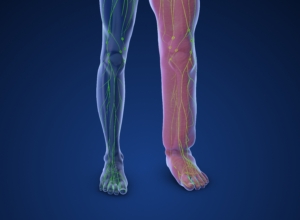
You may know that the immune system defends the body against disease. But did you know that it has a special circulatory structure called the lymphatic system that helps it do its job? When that special system gets impaired, a condition called lymphedema can occur, causing uncomfortable swelling in the arm or leg, which needs to be treated by a health care provider before an infection occurs.

Huntington Health Lymphedema Therapist, Lyle Hanf, PT, DPT, recently presented at Senior Care Network’s Noon Hour about some of the causes of lymphedema, symptoms, management and what you can do to reduce your risk.

What does the lymphatic system do?

The lymphatic system defends against disease, maintains blood pressure and transports hormones, nutrients and waste products. To perform these functions, it involves tonsils, spleen, thymus, lymph nodes, lymph vessels and white blood cells. When the lymphatic system is working properly, its system of lymph vessels circulates lymph (i.e., a fluid containing protein, water, cells, waste products and fat) through blood and tissues, while absorbing protein, fat and vitamins, and recognizing/removing waste products (e.g., germs, foreign substances and cancer cells). Hanf said the lymphatic system is a lot like a sewage treatment plant.

What causes lymphedema?

Lymphedema develops when the lymphatic system becomes damaged from chronic infections, scar tissue or cancer/cancer therapy, and causes an abnormal accumulation of protein-rich lymph in the tissues just beneath the skin that results in swelling. Hanf likens it to a bucket with a clogged spigot that cannot release the water it’s collecting. Although this accumulation typically occurs in the arm or leg, it can also occur in the breast, chest, head, neck, abdomen and genitals.

Signs of lymphedema

Along with swelling in their arm or leg, patients with lymphedema often report feeling heaviness or tingling sensations in a limb. Other symptoms include tingling starting in the fingers and toes, decreased range of motion, limb tightness, reoccurring infections and limb hardening or “pitting,” where pressing the skin leaves an indentation. (Although swelling is a main feature of lymphedema, Hanf pointed out that many other conditions can cause swelling, such as water/salt retention, excessive heat, exercising and bacterial infections, and acute injury.)   

Lymphedema happens in four stages: Stage 0 is characterized by no visible swelling; Stage I features minimal swelling that’s reversable with elevation (but comes back); Stage II presents as hardened tissue with frequent infections, but it’s reversible with medical intervention; and Stage III is marked by extreme swelling with skin changes that need emergency medical attention. At Stage III, complications can occur, including life-threatening infection (the skin looks swollen and red and feels painful and warm), wounds, worsening of the condition and disability.         

Lymphedema treatment and management

If you’ve been diagnosed with lymphedema, you will be referred to a therapist who will alleviate and manage your symptoms using a treatment called Complete Decongestive Therapy (CDT). This therapy combines multiple techniques aimed at reducing swelling and improving lymph circulation: skin/wound care, manual lymph drainage (i.e., massaging the area), using compression bandages and garments, and exercising.

Reducing lymphedema risk

Hanf listed several ways to promote a healthy lymphatic system and keep lymphedema at bay: taking care of your skin (protecting the skin from burns, cuts, insect bites, sunburn and dryness); maintaining an active lifestyle (exercising); avoiding limb constriction (wearing properly fitting watches, jewelry, shoes and hosiery, and avoiding crossing legs); wearing compression garments if prescribed (especially during exercise unless told not to); and avoiding extreme temperatures.          

Hanf was adamant that early intervention is key to treating lymphedema, so if you are experiencing symptoms, contact your health care provider as soon as possible.

For more on this topic, watch the Noon Hour recording, using the following passcode: Jr1uJ&be
Huntington Health Hosts Free Health Counseling and Screenings in Community

Huntington Health Hosts Free Health Counseling and Screenings in Community

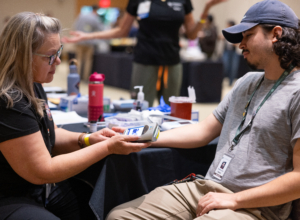
Community members are invited to take advantage of free health counseling and screenings provided by Huntington Health registered nurses throughout 2025. No appointment is necessary, and services are offered on a walk-in basis.

This initiative is part of an ongoing commitment to promote wellness and early detection of common health conditions. Services include:

  • Personal health guidance
  • Hypertension (high blood pressure) screening
  • Diabetes (high blood sugar) risk assessment and screening
  • Medical and social services referrals
  • Health promotion literature and resources

Participants seeking high blood sugar screening are advised to fast for a minimum of two hours prior to testing.

“We believe that access to preventive care should be simple and barrier-free,” said Ruth Pichaj, RN, manager community outreach and community benefits, Huntington Health. “These screenings empower individuals to take charge of their health and connect with resources that can make a real difference.”

Health counseling and screening are held at: Altadena Library, Altadena Senior Center at Loma Alta Park, Crowell Library, Friends InDeed, Hastings Branch Library, Jackie Robinson Center, La Pintoresca Branch Library, Lamanda Branch Library, Pasadena Senior Center, Santa Catalina Branch Library, Pasadena Senior Center, Victory Park Farmer’s Market and Villa Parke Farmers Market.

For a listing of dates, times, and locations, click here.

Huntington Hospital is nationally recognized for its commitment to providing high-quality stroke care

Huntington Hospital is nationally recognized for its commitment to providing high-quality stroke care

Huntington Health, an affiliate of Cedars-Sinai, has recently received the Get With The Guidelines®-Stroke Gold Plus with Target: Stroke Honor Roll Elite for its commitment to ensuring stroke patients receive the most appropriate treatment according to nationally recognized, research-based guidelines. Adhering to these protocols leads to more lives saved and reduced disability.

“I’m incredibly proud of our stroke team for earning this well-deserved recognition,” said Arbi Ohanian, MD, medical director of Huntington Hospital’s Comprehensive Stroke Program. “Huntington is truly leading the way in stroke care. With advanced imaging technology and a team of stroke-trained neurologists and neuroradiologists—resources that are rare in most hospitals—we’re equipped to make the best clinical decisions and manage even the most complex stroke cases with confidence and expertise.”

Stroke is the No. 5 cause of death and a leading cause of disability in the U.S. Early stroke detection and treatment are key to improving survival, minimizing disability and accelerating recovery times.

Each year, program participants qualify for the award by demonstrating their commitment to providing quality care for stroke patients. Along with following treatment guidelines, Get With The Guidelines participants also educate patients on how to manage their health and recovery at home.

Huntington also received the Association’s Target: Stroke Honor Roll Elite award. To qualify for this recognition, the team must meet specific criteria that reduce the time between an eligible patient’s arrival at the hospital and treatment with thrombolytic therapy.

Additionally, Huntington received the Association’s Target: Type 2 Diabetes Honor Roll award, which recognizes the team for ensuring patients with Type 2 diabetes, who might be at higher risk for complications, receive the most up-to-date, evidence-based care when hospitalized due to stroke.

“We are incredibly pleased to recognize Huntingtin Hospital for its commitment to caring for patients with stroke,” said Steven Messe, MD, volunteer chair of the AHA Stroke System of Care Advisory Group. “Participation in Get With The Guidelines is associated with improved patient outcomes, fewer readmissions and lower mortality rates – a win for health care systems, families and communities.”

For more information about Get With The Guidelines, visit the American Heart Association’s webpage.

Fire preparedness and safety: What you need to know

Fire preparedness and safety: What you need to know

By Jennifer Waldron, Disaster Program Manager, Huntington Health

As temperatures soar and we continue to see the impact of wildfires in many areas, it’s more important than ever to stay alert and prepared. This month also marks six months since the Eaton Fire—a powerful reminder that in California, fire season is year-round and doesn’t follow a traditional timeline. With dry conditions and high winds becoming more common throughout the year, fire safety and preparedness must remain top of mind for all of us.

Please take a moment to review a few preparation considerations, checklists and safety tips from fire experts. 


Wildfire Preparedness 
Checklist

  1. Maintain an adequate defensible space: Reduce flammable materials (grass, trees, shrubs) near your home. See the National Fire Protection Association page for tips.  
  2. Create a family evacuation plan.
  3. Gather emergency supplies in advance:
  4. Make a Go Bag: three days of supplies to take with you if you are evacuated.
    1. Make a Stay Bag: two weeks of supplies if you need to stay at home.
    2. Prepare a 1-month supply of medication in a childproof container.
    3. Keep personal, financial and medical records together in a safe and accessible location.
  5. Learn emergency skills: first aid and CPR.
  6. Stay connected:
    1. Sign up for free emergency alerts from your local government. Here are a few to get started:
      1. Wireless Emergency Alerts (WEA): National Weather Service automatically sends severe weather alerts to compatible phones. Learn how to manage these alerts:
        1. iPhone: Manage WEA settings in Settings > Notifications > Government Alerts > Emergency Alerts
        2. Android: Find WEA settings under Settings > Safety & Emergency >    Wireless Emergency Alerts.
      2. Use the weather app on your phone: Enable notifications for severe weather
      3. Download the FEMA app to receive real time weather and emergency alerts, info about local shelters, and more
    2. Monitor weather conditions and fires near your location.
    3. Have a backup battery or alternative means to charge your cell phone.
    4. Have a battery-powered emergency radio.

Evacuation Checklist: The Six “Ps” (from Los Angeles City Fire)

  1. People and Pets
  2. Paper: phone numbers and important documents
  3. Prescriptions: medications, vitamins, eyeglasses, hearing aids
  4. Pictures: photos, albums, irreplaceable memorabilia
  5. Phone/Personal Computer: laptops, tablets, chargers
  6. Plastic: credit/debit cards, cash

Final Considerations

If you see smoke or fire in your area, call 911 immediately. If you need to evacuate, be ready to go: review your checklists, grab your Go Bag, evacuate early and protect against heat and flying embers (cover legs, arms, face and eyes). Lastly, make sure to take care of your health during fire season.  

For additional resources, go to:

Huntington Health Announces Strategic Relationship to Enhance Breast Cancer Services

Huntington Health Announces Strategic Relationship to Enhance Breast Cancer Services

For 133 years, Huntington Health has proudly served the San Gabriel Valley with compassionate, high-quality care. Our legacy is rooted in a deep commitment to excellence and a continuous effort to enhance the services we provide to our patients and their families.  

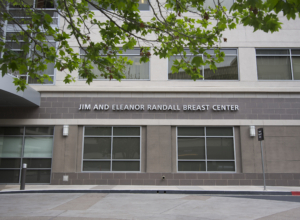
As part of this commitment, beginning August 1, 2025, professional radiology services at the Jim & Eleanor Randall Breast Center will transition to Beverly Radiology Medical Group and management of the center will transition to RadNet, a leading regional provider of outpatient diagnostic imaging services.  

“This relationship with RadNet represents a significant step forward in our mission to deliver world-class cancer care close to home,” said Howard Kaufman, MD, MBA, Regional Medical Director of Huntington Cancer Center, an affiliate of Cedars-Sinai Cancer. “By providing access to advanced imaging, accelerating diagnoses, and expanding preventive services, we are strengthening our ability to detect breast cancer earlier and support patients through every stage of their journey. Our community deserves nothing less than excellence—and we are committed to delivering on that promise.”

In addition to simple and convenient appointment bookings, the Jim and Eleanor Randall Breast Center offers:  

  • Expert imaging and advanced technology to provide fast results and turnaround times. 
  • RadNet’s approach to innovative screening and prevention, including: 
    • A Comprehensive Risk Assessment program with personalized screenings and early detection of potential cancer risks. 
    • An Enhanced Breast Cancer Detection program, which has enabled the early detection of over 500 breast cancers through state-of-the-art diagnostics.  
  • Trusted medical directors, Heather Moreno, MD, and Gita Varaprasathan, MD, who have long served our community, understand the unique needs of our patients and are dedicated to delivering compassionate, expert care. 

For more information about the Randall Breast Center and to make an appointment, go to: Breast Cancer Screening Guidelines & Diagnosis | Huntington Hospital

U.S. News & World Report Names Huntington Health Among the Top 10* Best Hospitals in California and Top 5* Best Hospitals in Los Angeles

U.S. News & World Report Names Huntington Health Among the Top 10* Best Hospitals in California and Top 5* Best Hospitals in Los Angeles

U.S. News & World Report has named Huntington Health, an affiliate of Cedars-Sinai, a 2025-2026 Best Hospital, ranking #10 in California (tie) and #5 in Los Angeles (tie).  Huntington is the highest ranked hospital in the San Gabriel Valley.

Huntington Health earned ‘high performing’ designations in eight adult specialties: cancer, diabetes & endocrinology, gastroenterology & GI surgery, geriatrics, neurology & neurosurgery, orthopedics, pulmonology & lung surgery, and urology.

In addition, Huntington was named ‘high performing’ in seventeen procedures and conditions: back surgery (spinal fusion), chronic obstructive pulmonary disease, colon cancer surgery, diabetes, heart arrhythmia, heart attack, heart failure, hip fracture, hip replacement, kidney failure, knee replacement, leukemia, lymphoma & myeloma, pacemaker implantation, pneumonia, prostate cancer surgery, stroke, and transcatheter aortic valve replacement.

U.S. News evaluated more than 4,400 hospitals across 15 adult specialties and 22 procedures and conditions; only 13% of evaluated hospitals earned a Best Hospitals designation.

“For more than three decades, U.S. News has been an invaluable guide for patients,” said Managing Editor and Chief of Health Analysis Ben Harder at U.S. News. “With a ‘Best Hospital’ recognition, Americans, in consultation with their medical providers, can confidently choose a regional hospital known for providing superior care for their specific illness or condition.”

To determine the Best Hospitals, U.S. News analyzed each hospital’s performance based on objective measures such as risk-adjusted mortality rates, preventable complications and level of nursing care. The Best Hospitals Specialty rankings methodology and Procedures & Conditions ratings methodology measure patient outcomes using data from over 800 million records of patient care.

For more about Huntington Health, go to: www.huntingtonhealth.org

About U.S. News & World Report

U.S. News & World Report is the global leader in quality rankings that empower consumers, business leaders and policy officials to make better, more informed decisions about important issues affecting their lives and communities. A multifaceted digital media company with Education, Health, Money, Travel, Cars, News, Real Estate, Careers and 360 Reviews platforms, U.S. News provides rankings, independent reporting, data journalism, consumer advice and U.S. News Live events.

*Two-way tie

Huntington Health Offers New, Less Invasive Lung Biopsy Procedure

Huntington Health Offers New, Less Invasive Lung Biopsy Procedure

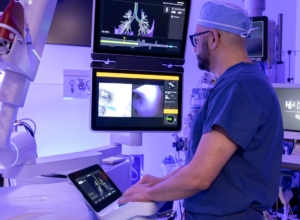
When patients are informed that they need a lung biopsy – a sample of their lung tissue – to rule out cancer, time can seem to slow down. Where they go from there – scheduling a biopsy, undergoing surgery, waiting for results, then arranging medical interventions if need be – can seem like a long, scary road ahead. Fortunately, there’s a quicker, less invasive way for patients to get answers and treatment after a lung scan, and Huntington Health is now offering it to their patients. Through a robotic-assisted system called Ion, Huntington patients can now receive a minimally invasive, targeted lung biopsy, diagnosis and treatment all in one day.

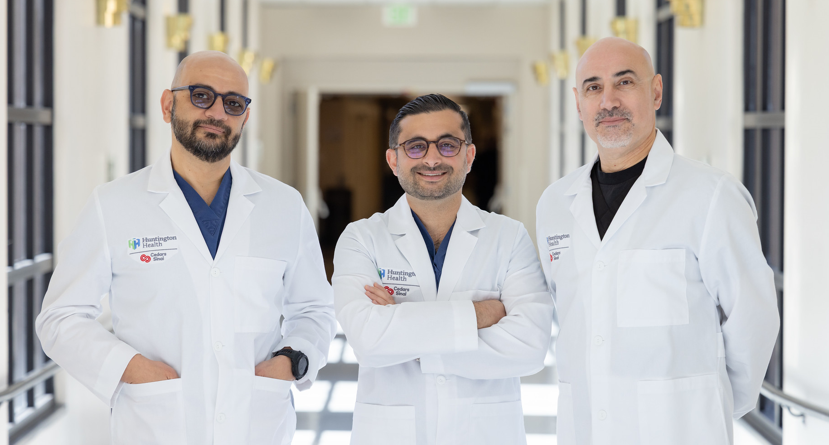
The procedure is now part of the Lung Nodule Program at Huntington Cancer Center, led by Amirhossein Mahfoozi, MD, medical director of thoracic surgery and Huntington Health-affiliated pulmonologists Ayman Saad, MD and Hooman Sazegar, DO.

Ayman Saad, MD, Hooman Sazegar, DO and Amirhossein Mahfoozi, MD

“A significant aspect of providing compassionate care involves anticipating the challenges that patients can face when presented with a new diagnosis.  In the past, if a CT scan showed a suspicious nodule on the lung, the patient would have to be referred for a biopsy.  This can involve a long wait time, meeting a new team of doctors, not to mention the inherent risks of an invasive procedure.  There is also the wait-time from getting the biopsy to getting the results.  Whether benign or otherwise, this can be agonizing.  With Ion, the patient can be seen by one physician who performs the procedure and gives the results without having to navigate so many different aspects of the healthcare process,” said Dr. Saad.   

Ion can precisely obtain a biopsy and resection (i.e., tumor extraction), reaching all 18 segments of the lungs through a patient’s airway using an ultra-thin, maneuverable catheter and integrated vision probe. The technology provides exact location and shape information, holding the catheter in place for precise placement for tools like a flexible biopsy needle.

“Another important benefit – the technology is less invasive than traditional bronchoscopy, which makes the procedure gentler on patients, so they experience less discomfort and shorter recovery,” Dr. Sazegar explained.

Ion’s benefit of reducing diagnostic time should also be stressed. According to the American Lung Association, finding lung cancer at a late stage puts a five-year survival rate at only 8%; finding it at an early stage increases the five-year survival rate to 63%. Follow-up CT scans to see if a nodule has grown and multiple biopsies prior to a lung cancer diagnosis can add months to a patient’s care journey, which can give the disease more time to advance (depending on the type of lung cancer, a tumor can grow twice its size in mere months). So, diagnosing cancer as soon as possible can lead to an improved survival rate for patients.

“Use of leading-edge technology to improve patient experience and outcomes is one way Cedars-Sinai Cancer and its affiliates are bringing the best possible health care to the people we serve throughout the region,” said Karen Reckamp, MD, director of the Division of Medical Oncology and professor of Medicine at Cedars-Sinai. “The Lung Nodule Program is an example of that care in action.”

By using Ion technology, doctors can diagnose lung cancer at an early stage and, in some cases, begin treatment during the same procedure.

“Ion allows us to biopsy multiple spots in the lungs-even on both sides-at the same time,” says Dr. Mahfoozi. “It also helps us reach areas that are difficult or impossible to access with traditional CT-guided biopsy, all with a strong safety record.”

Early detection is one of the most important factors in improving survival rates. The earlier lung cancer is found and treated, the better the outcome for patients.  “The Ion robotic bronchoscopy truly elevates lung care for our patients at Huntington Hospital,” said Dr. Mahfoozi.”

If you are interested in this procedure, please email Huntington Health’s Lung Nodule Program at [email protected] or call the Huntington Cancer Center at (626) 397-2524. To learn more, go to: Lung Cancer Screening & Diagnosis | Huntington Hospital

Cancer diagnoses are rising in young adults: When should you start regular cancer screenings?

Cancer diagnoses are rising in young adults: When should you start regular cancer screenings?

With the recent uptick in cancer rates among younger adults (between 20-39), the American Cancer Society (ACS) has changed its one-size-fits-all approach to screening guidelines, which can be confusing for those who have risk factors or symptoms. Now the ACS advises patients to recognize their cancer risk factors, such as family history and lifestyle, and discuss symptoms to determine if screening or evaluation of symptoms is needed earlier than standard guidelines.

“It’s very important to follow the guidelines for regular cancer screening. However, if you have risk factors or any symptoms, like a breast or testicular lump, blood in your stool, a new mole on your skin or abnormal vaginal bleeding, don’t wait for screening guidelines; discuss a proper evaluation with your doctor immediately,” said Howard Kaufman, MD, regional medical director of Huntington Cancer Center, an affiliate of Cedars-Sinai Cancer. “No matter your age, advocating for your health is always right; it can detect cancer early, which increases treatment efficacy.”

Here is the ACS’s breakdown of some common cancers occurring in younger adults and current screening guidelines:

Skin Cancer  

Ages 18 and up: Experts recommend doing a skin self-exam once a month – especially for those with increased risk factors for skin cancer, such as family history, previous skin cancer diagnosis, fair skin, reduced immunity and having many moles/skin spots. Consult with your doctor about skin exams and report any changes immediately.

Breast Cancer

Ages 21-39: Find out if you have an increased risk for breast cancer. Some of these risks could include family history, genes, having dense breast tissue, taking hormones, being overweight/obese, being sedentary, smoking, moderate/high alcohol use and other factors. If you are at higher risk, and/or you notice changes to your breast(s), talk to your doctor about screening immediately.

Those with an average risk should get a mammogram every year starting at age 45.

Colorectal Cancer

Ages 21-39: Determine if you have an increased risk for colon cancer due to family history, genetic disorders, inflammatory bowel disease, being overweight/obese, smoking, a diet high in red or processed meat, moderate/high alcohol use and other risk factors. If you are at higher risk, talk to your doctor about screening right away If you have symptoms, request an evaluation by a specialist such as a gastroenterologist or colorectal surgeon.

Everyone with an average risk should start screening for colon cancer at age 45.

Cervical Cancer

Ages 25-65: Starting at age 25 people with a cervix should be tested every five years for human papillomavirus (HPV), the virus linked to cervical cancer. Most cervical cancers can be detected early or prevented with screening. HPV vaccines can also prevent cervical cancer, especially if given at a young age and before sexual debut. If you are experiencing abnormal vaginal bleeding (a common symptom of cervical cancer) consult your doctor immediately.

Lung Cancer

Ages 50-80: Annual screening is recommended for this age group, specifically for those who smoke or used to smoke and have at least a 20-pack-year history of smoking (i.e., a pack a day for 20 years, two packs a day for 10 years). Screening is vital because symptoms tend to not appear unless the disease is advanced; however, screening is not an alternative to quitting smoking, which lowers your risk.

To learn more about preventive screenings, schedule an appointment with a Huntington Health primary care physician, go to: Find a Doctor | Huntington Hospital

Huntington Health and Pasadena Fire Department Train Over 180 People in Hands-Only CPR

Huntington Health and Pasadena Fire Department Train Over 180 People in Hands-Only CPR

On June 6, Huntington Health, an affiliate of Cedars-Sinai, and Pasadena Fire Department hosted a free, Hands-Only Cardiopulmonary Resuscitation (CPR) training at the Paseo Colorado in Pasadena. In less than five minutes per demonstration, the team taught the basic and proper techniques of Hands-Only CPR to over 180 people.

According to the American Heart Association, cardiac arrest – an electrical malfunction in the heart that causes irregular heartbeat (arrhythmia) and disrupts the flow of blood to the brain, lungs and other organs – is a leading cause of death. Each year, more than 350,000 EMS-assessed out-of-hospital cardiac arrests occur in the United States.  

“A cardiac event most often happens in the home, so it’s important to be prepared to help our family members or friends when they need us the most,” said Jennifer Van Slyke, manager, prehospital program, Huntington Health. “Hands-Only CPR is a simple, life-saving skill. If you are with someone experiencing a cardiac medical emergency, be sure to first call 9-1-1 and then immediately begin chest compressions until help arrives.”

The dedicated Huntington Health team and firefighters demonstrated the proper chest compression techniques – done to the beat of the famous Bee Gee’s song “Stayin’ Alive,” allowing participants to feel the quick rhythm required to effectively treat a victim of cardiac arrest for a minimum of sixty seconds at best. When performing CPR, the AHA recommends pushing on the chest as a rate of 100-120 compressions per minute.

Thank you, once again, to Pasadena Fire Department and the City of Pasadena for supporting this important community training.

To learn more about Hands-Only CPR, please visit: heart.org/CPR

Mental Health Awareness: Grief and loss

Mental Health Awareness: Grief and loss

Huntington Health recently offered a special presentation about grief as part of its Senior Care Network Noon Hour Series. Grief can surface through many different experiences and in many different ways – from grieving a loved one to experiencing loss of your home or treasured possessions. Los Angeles County Department of Mental Health’s Idalia Oquendo recently shared some valuable information about grief and some do’s and don’ts to keep in mind.

Grief can be a result of many different types of loss, here’s just a few:

  1. Loved Ones: including partners, friends, and other important members of your community/inner circle
  2. Health: Dealing with serious illness and loss or decline of physical ability
  3. Existential: losing your sense of identity

In addition to types of loss, Idalia also included several common reactions to loss, which can be shown through physical, mental, and behavioral changes. Some examples include:

  1. Physical: Fatigue, Insomnia, and Loss of Appetite
  2. Mental: Tearfulness, Mood Swings, and Guilt
  3. Behavioral: Social Isolation, Irritability, and Low Energy

While it is crucial to recognize these changes in yourself and those around you, it is equally vital to learn how to respond to these changes. When you or someone you love is dealing with grief, it is important to not only provide comfort during this trying time but also additional support.

Below is a list of “unhelpful” comforting phrases, in addition to a number of phrases that can provide both comfort and support to the individual.

Unhelpful Phrases/Responses:

  1. “Time heals all wounds.”
  2. “Cheer up!”
  3. “They are better off.”
  4. “Everything happens for a reason.”

Helpful Phrases/Responses:          

  1. “I’m sorry you are going through this.”
  2. “I’m here and I want to listen.”
  3. “I can’t imagine how much this hurts”

Even with these tools in hand, grief is an unpredictable process that can vary from person to person. Idalia states, “There are people who don’t get emotional. There are people who cry in the moment. So, every human being differs in their reactions [to grief].”

Regardless of how you or your loved one is reacting to grief, it is important to reach out to a mental health professional if extra support is needed.

To watch Idalia’s entire presentation, and for more information about Senior Care Network, go to: Noon Hour | Huntington Hospital