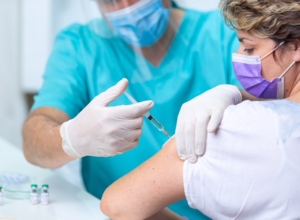
As we move into flu season, it is important that Pasadena residents and our neighbors throughout the San Gabriel Valley and surrounding communities take steps to guard against the flu, especially as we continue to battle COVID-19. As the community’s leading hospital for over 125 years, Huntington Hospital is pleased to offer free flu shots at various locations throughout Altadena, Pasadena and South Pasadena, starting September 21 through October 21, 2020.
Flu vaccine requirements:
• At least 18-years-old, or giving consent for your child, ages 9-17 years
• No allergy to eggs or the influenza vaccine
• No history of Guillain-Barré syndrome
• Do not have suspected or confirmed COVID-19 infection
• Do not have any of the following symptoms: fever or chills, cough, congestion or runny nose, shortness of breath or have difficulty breathing, fatigue, muscle or body aches, headache, new loss of taste or smell, sore throat, nausea, vomiting or diarrhea.
There is a limited supply of vaccines for each clinic. All sites listed are open to the public. No reservations or appointments are required.
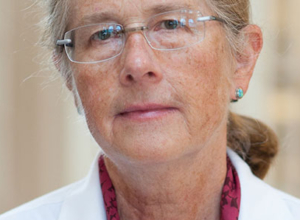
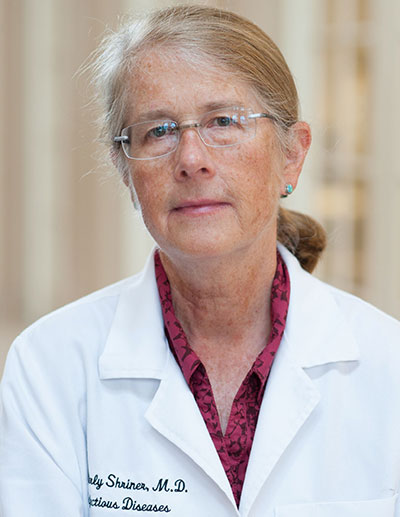
Congratulations to Huntington Hospital’s infectious disease specialist, Kimberly Shriner, MD, for being named a Healthcare Hero in the most recent issue of Business Life Magazine! Dr. Shriner has been recognized for her invaluable contributions during the COVID-19 pandemic. From weekly interviews on KPCC’s AirTalk to community forums, she has offered sound, science-based advice and information during this uncertain time.
In the article, she shares: “I’m honored to be included in the list of exceptional healthcare providers, especially during this challenging time as we battle COVID-19. I’m also incredibly proud of the tireless work of the physicians, nurses and employees I work alongside at Huntington Hospital. In these unimaginable times, I’m grateful to be surrounded by these extraordinary people. Together, we are here for our community and ready to care for anyone who needs our help.”
Actor Chadwick Boseman’s untimely death shines a light on colon cancer and what we all should know.
Potential colon cancer symptoms include:
• A change in bowel habits, such as diarrhea, constipation, or narrowing of the stool, that lasts for more than a few days.
• Urgency – a feeling that you need to have a bowel movement that is not relieved by doing so.
• Rectal bleeding – dark, maroon or bright red blood in the stool.
• Persistent abdominal cramping, pain or distension.
• Weakness and fatigue.
• Unintended weight loss.
(Note that many of the symptoms of colon cancer can also be caused by infections, hemorrhoids, irritable bowel syndrome, inflammatory bowel disease or dietary factors.)
When colon cancer does turn out to be the cause, symptoms may often appear only after the cancer has grown significantly or spread outside of the colon. That’s why it’s best to be tested for colorectal cancer before ever having any symptoms. Screening can even prevent some colorectal cancers from forming by finding and removing pre-cancerous growths called polyps.
Recent data shows the number of new cases of colon cancer is increasing in younger populations. This is why the American Cancer Society recommends regular colon cancer screening (colonoscopies) for people at average risk starting at age 45. People with a family history of colon cancer or who have certain other risk factors should talk with their doctor about beginning screening at a younger age.
By Brittany Middleton, MD, Medical Director of Inpatient Pediatrics, Huntington Hospital
In light of the coronavirus pandemic, vaccination has become a topic of discussion. As we know, childhood vaccines are crucial for the health of our kids and our community. Each of the vaccines are important, especially the flu shot as we enter this year’s flu season during the COVID-19 pandemic. The CDC’s recommendation is to continue routine vaccinations, especially for children less than 24 months. Yet there has been a decrease in vaccination rates among children. This is likely due to concern over COVID-19 exposure.
Pediatric offices have updated their protocol to adhere to social distancing guidelines as it is critical that children receive their routine vaccinations to fight vaccine-preventable diseases. The job of any vaccine is to drive the immune system to produce antibodies against a particular bacterial or viral illness. This line of defense is created through a more efficient process than combating a primary infection. Without these early vaccinations, the body could likely go through severe and potentially life-threatening symptoms. There are numerous studies that disprove theories that vaccines overwhelm the body’s immune system, impair neurologic development, or contain unsafe ingredients and confirm that significant side effects are very rare.
The benefits of vaccinating far outweigh the risks. Just moving around freely in the world right now is not without risk. Let us be intentional with our movements and make decisions that will protect ourselves and those around us in both the short and long term. Contact your pediatrician to ask them how they’re making the flu shot and other vaccination visits safe for you and your child.
American Heart Association Award recognizes Huntington Hospital’s commitment to quality stroke care
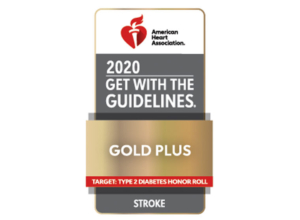
Huntington Hospital has received the American Heart Association/American Stroke Association’s Get With The Guidelines®-Stroke Gold Plus Quality Achievement Award. The award recognizes the hospital’s commitment to ensuring stroke patients receive the most appropriate treatment according to nationally recognized, research-based guidelines based on the latest scientific evidence.
Huntington Hospital earned the award by meeting specific quality achievement measures for the diagnosis and treatment of stroke patients at a set level for a designated period. These measures include evaluation of the proper use of medications and other stroke treatments aligned with the most up-to-date, evidence-based guidelines with the goal of speeding recovery and reducing death and disability for stroke patients. Before discharge, patients should also receive education on managing their health, get a follow-up visit scheduled, as well as other care transition interventions
“Huntington Hospital is dedicated to improving the quality of care for our stroke patients by implementing the American Heart Association’s Get With The Guidelines-Stroke initiative,” said Arbi Ohanian, MD, medical director of Huntington Hospital’s Comprehensive Stroke Program. “Our dedicated team delivers advanced stroke treatments quickly and safely to our patients – even through these incredibly challenging times.”
Huntington Hospital additionally received the Association’s Target: StrokeSM Honor Roll award. To qualify for this recognition, hospitals must meet quality measures developed to reduce the time between the patient’s arrival at the hospital and treatment with the clot-buster tissue plasminogen activator, or tPA, the only drug approved by the U.S. Food and Drug Administration to treat ischemic stroke.
Huntington Hospital additionally received the Association’s Target: Type 2 Honor Roll award. To qualify for this recognition, hospitals must meet quality measures developed with more than 90 % of compliance for 12 consecutive months for the “Overall Diabetes Cardiovascular Initiative Composite Score.”
Huntington Hospital has also met specific scientific guidelines as a Comprehensive Stroke Center, featuring a comprehensive system for rapid diagnosis and treatment of stroke patients admitted to the emergency department.
“We are pleased to recognize Huntington Hospital for their commitment to stroke care,” said Lee H. Schwamm, M.D., national chairperson of the Quality Oversight Committee and Executive Vice Chair of Neurology, Director of Acute Stroke Services, Massachusetts General Hospital, Boston, Massachusetts. “Research has shown that hospitals adhering to clinical measures through the Get With The Guidelines quality improvement initiative can often see fewer readmissions and lower mortality rates.”
According to the American Heart Association/American Stroke Association, stroke is the No. 5 cause of death and a leading cause of adult disability in the United States. On average, someone in the U.S. suffers a stroke every 40 seconds and nearly 795,000 people suffer a new or recurrent stroke each year.
About Get With The Guidelines®
Get With The Guidelines® is the American Heart Association/American Stroke Association’s Get With The Guidelines® is the American Heart Association/American Stroke Association’s hospital-based quality improvement program that provides hospitals with tools and resources to increase adherence to the latest research-based guidelines. Developed with the goal of saving lives and hastening recovery, Get With The Guidelines has touched the lives of more than 9 million patients since 2001. For more information, visit heart.org/quality.
You or a loved one doesn’t have to wait for a stroke to happen to see a neurologist. If you are having unexplained symptoms such as uncontrolled headaches, challenges with your balance, vertigo (dizziness), or a numbing or tingling, it may be best for a neurological exam. Find a neurologist near Huntington Hospital for the best care in Pasadena and San Gabriel Valley.
Gastrointestinal (GI) health is central to our overall health, immunity and well-being. Huntington Hospital’s Medical Director of Gastroenterology, Richard Nickowitz, MD, offers the five most common questions his patients ask him about GI health.
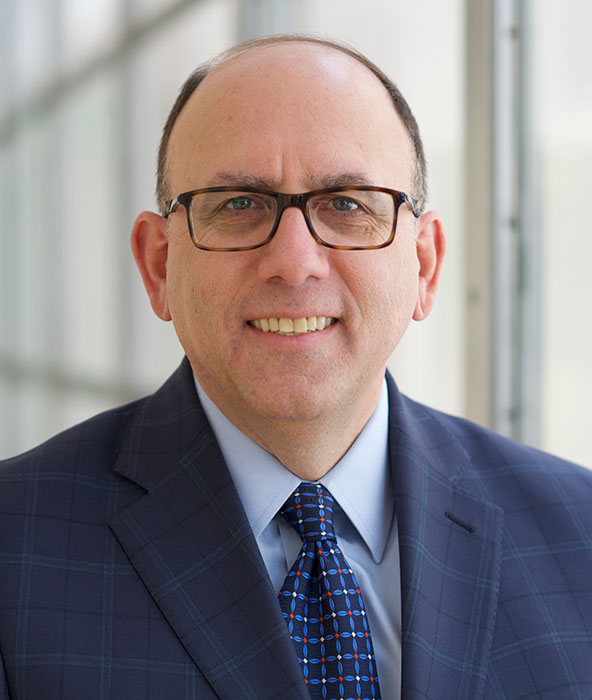
Medical Director of Gastroenterology, Richard Nickowitz, MD
What are the most common gastrointestinal diseases?
Gastroenterologists care for a wide variety of problems related to the intestinal tract, liver, gallbladder, bile duct system, and pancreas. Many of the conditions we see are chronic, requiring ongoing management. Some cause more acute illness, requiring intervention leading to successful treatment. Heartburn often described as regurgitation, acid reflux, or gastroesophageal reflux affects a fair number of our population and often is treated by lifestyle modification and over-the-counter or prescription medication. Helicobacter pylori is an increasingly recognized infection that may lead to gastritis, ulcers, and, rarely, gastric cancer. Irritable bowel syndrome with varying manifestations of gastrointestinal symptoms should be distinguished from inflammatory bowel disease, which consists of ulcerative colitis and Crohn’s disease. Gastroenterologists regularly see patients for anemia and internal bleeding to identify a source and provide treatment. We care for a wide variety of liver diseases as well, including hepatitis B and C, alcoholic liver disease, and non-alcoholic fatty liver disease — a problem that is increasing throughout the country. I should also mention the importance of screening for colon cancer as it is a disease that can be prevented or quite often found early with proper assessment.
How do you identify or diagnose these types of diseases?
Many of the diseases listed above have symptoms that point toward a diagnosis merely by talking to your gastroenterologist and undergoing a physical examination. Often blood tests or imaging studies, such as an abdominal ultrasound or a CT scan of the abdomen and pelvis, may be requested. Gastroenterologists also perform several types of endoscopic procedures, including upper endoscopy, enteroscopy (visualization of the proximal small bowel), flexible sigmoidoscopy and colonoscopy. One other procedure we perform is endoscopic retrograde cholangiopancreatography (ERCP) in which we are able to visualize the common bile duct and the pancreatic duct as well as treat stones and tumors presenting in this part of the body. One significant advancement in safety has been the novel development of disposable (one-time use) ERCP scopes. Huntington Hospital is the first healthcare facility in the San Gabriel Valley and the second in Los Angeles County to have these disposable ERCP scopes put into use. This is new technology that will enhance safety while performing this intricate procedure.
My family member has put off his endoscopy due to COVID-19; is it safe for him to have the procedure?
While all medical procedures do have risks, when talking about the performance of an ERCP, the single-use scope will certainly reduce the risk of infection secondary to this procedure. Infections are a rare, but known, complication of reusable ERCP scopes due to their intricate technical design. Because each disposable ERCP scope is used once (and then recycled to provide material for non-medical use), the risk of infection is reduced markedly.
I would like to be clear and point out that this risk of infection does not at all translate to endoscopes used for upper endoscopy and colonoscopy.
Being in the middle of the COVID-19 pandemic, Huntington Hospital is following established guidelines to assure safety for our patients and staff. We are testing all patients who undergo endoscopic procedures at the hospital. Additionally, the staff and physicians are well versed in the proper use of personal protective equipment (PPE) of which the hospital has adequate supply. Therefore, at this time, we do feel that the performance of necessary endoscopic procedures is safe for all involved.
What are the screening guidelines for colon cancer? Who should get colonoscopies and how often?
Currently, the U.S. Preventive Services Task Force (USPSTF) recommends that all patients undergo a screening colonoscopy at age 50 in the absence of symptoms and in the absence of a family history of colon cancer. For African American patients, the recommendation is to undergo a screening colonoscopy at age 45. The American Cancer Society (ACS) recommends that all patients begin colon cancer screening at age 45. For those patients with a family history of colon cancer, we recommend that they undergo their initial colonoscopy 10 years earlier than the index case. For patients with no family history in the absence of symptoms, a screening colonoscopy may be done every 10 years. For those patients with a first- degree relative with colon cancer, we recommend a surveillance colonoscopy at least every five years. Those patients who were found to have polyps on a colonoscopy will have their surveillance schedule determined by their gastroenterologist.
Any advice on how to maintain good digestive health?
To maintain good digestive health, I often tell my patients to be smart and sensible. Eating a healthy, well-balanced diet with an ongoing regimen of exercise and weight control is of utmost importance. There are many dietary recommendations and supplements out there. One needs to be judicious in following recommendations from dubious sources. It is important to discuss dietary matters with your general medical doctor and your gastroenterologist or a nutritionist/dietitian. In general, we recommend a relatively low-fat diet with good dietary fiber as well as moderate consumption of red meat and alcohol. Regular exercise and weight control should be goals for most people. If you have any questions, do not hesitate to ask your friendly GI doc!
By Dr. Brandon Lew, Medical Director, Emergency Department
Every day, emergency physicians and staff members assess patients and make split second, critical decisions based on a limited amount of information in a time-sensitive environment. We are accustomed to unpredictability, and often work outside our comfort zone.
COVID-19 added layers of complexity to an already challenging work environment. We saw the need to quickly adapt to this health crisis and safely treat patients who required emergency care during the pandemic. We adopted additional protective and preventive measures for both staff and patient safety.
The first response was implementing the use of personal protective equipment (PPE). While this is imperative, it makes performing complex procedures much more cumbersome and time consuming. Wearing white plastic respirator suits makes it difficult to hear. Goggles and uncomfortable face masks worn for hours on end create pressure sores on noses and cheeks. Our ED staff is often the first point of contact for potential COVID-19 patients. With this comes great obligation to maintain strict infection prevention measures for our patients and ourselves. In addition, not only are we caring for our community, but we have a persistent worry of bringing the virus home to our loved ones. This is a very real fear for caregivers all around the world.
Our entire hospital shifted when COVID-19 came along. A novel virus and the strain a pandemic can place on a medical system created an urgent need to mount an effective response that included a multi-disciplinary task force of experts. Led by our President & CEO, Dr. Lori Morgan, the team collaborated to ensure adaptability to challenges we faced, which included limited testing and myriad logistics. Initially, we were – alongside so many healthcare institutions – in disaster mode, dealing with tough questions and few certain answers.
Countless meetings were devoted to adjusting policies, testing and staffing, and addressing resources and ventilators. We created alternative care site teams and frontline triage tents outside the hospital and trained physicians to practice in a new environment under unusual circumstances. The team implemented new protocols and procedures for the ED and admissions like PPE, testing and resuscitation. Adjustments were made for everyone’s safety, including policies for visitors, donations, telecommuting and meetings.
We needed a holistic view to battle the pandemic – operationally as a whole, inside and out. Each department’s workflow impacted the emergency and trauma operations and vice versa. From well-being support to community engagement, every resource was leveraged. Our team was involved in facilitating this synergy with our amazing nursing and administrative leadership, the frontline physicians and nurses, technicians, and additional hospital staff members. The ED was fortunate to be supported by decades-long working relationships with the outpatient and hospital-based physicians. Everyone was especially grateful for our community, who stepped up to help us through donations of supplies and an outpouring of support. The City of Pasadena leadership and the City of Pasadena Fire Department were also incredibly collaborative.
Very little was known about this virus in the beginning. Our dedication to providing excellent service and compassionate care to our community was the impetus to helping us understand so much more today to share our response now and into the future. The virus remains prevalent and an ongoing threat to the well-being of our community. Huntington Hospital stands ready to serve as we face the ups and downs of this virus together. I urge everyone to remain very cautious and vigilant about practicing behaviors that help prevent the spread, including masking, social distancing, limiting gatherings and hand-washing. We will get through this time together.
Dr. Brandon Lew
Brandon Lew, DO, FACEP, is the Medical Director of Huntington Hospital’s Emergency Department and President-Elect of the Medical Staff.
Definitive Agreement Provides for Continued Local Governance, Ongoing Community Commitment
Today Huntington Hospital and Cedars-Sinai Health System announced that they have signed a definitive agreement for Huntington to affiliate with Cedars-Sinai Health System. On March 9, the organizations announced that they had signed a Letter of Intent.
Following the Letter of Intent, both organizations engaged in due diligence and negotiations that led to the definitive agreement. The definitive agreement will now be submitted for review and approval to all the appropriate government regulators, including the Office of the California Attorney General. The review process usually takes several months.
The proposed affiliation includes commitments for continued investment in Huntington Hospital in enterprise information technology, growth of ambulatory services and physician development. It will also enable collaborations with the other entities in the Cedars-Sinai Health System to ensure access to high-quality, accessible and affordable care throughout the region. The proposed affiliation is intended to build upon Huntington’s 128-year legacy, and to preserve its unique culture as a community institution governed by a local board, with its own employees and medical staff. In addition, philanthropy and volunteer support will remain locally controlled and used for Huntington Hospital and its existing community.
Cedars-Sinai Health System was established in 2017 to provide a platform for high-quality health care institutions to collaborate and share resources and expertise. It currently comprises Cedars-Sinai (which includes Cedars-Sinai Medical Center and Cedars-Sinai Marina del Rey Hospital, as well as its network of physicians and medical offices throughout Southern California), Torrance Memorial (which includes Torrance Memorial Medical Center and its network of physicians and medical offices throughout the South Bay), and such joint ventures as California Rehabilitation Institute and Cedars-Sinai Providence Tarzana Medical Center.
“On behalf of everyone at Huntington Hospital, we are all very pleased to have reached this important milestone,” said Jaynie Studenmund, chair of the Huntington Hospital Board of Directors. “With the definitive agreement now complete, we can move forward with our joint effort to secure the necessary regulatory approvals. We pledge to work cooperatively with all the relevant parties and believe that this proposed affiliation is in the best interest of all of our stakeholders and the greater San Gabriel Valley community.”
“The goal of Cedars-Sinai Health System is to strengthen access to and affordability of quality care for more Southern Californians through the sharing of resources and expertise among our facilities,” said Vera Guerin, chair of the Cedars-Sinai Health System Board of Directors. “The addition of Huntington Hospital, with its strong commitment to serving the community and the quality of its physicians, nurses and other staff, would further strengthen the ability to provide this for the region.”
“With our institutions’ shared focus on delivering exceptional, compassionate care to those we serve, I am confident that an affiliation with Cedars-Sinai Health System will enable Huntington Hospital to advance clinical quality and outcomes, sustain our legacy of providing outstanding patient care and maintain active engagement with all our communities,” said Lori J. Morgan, MD, MBA, president and CEO of Huntington Hospital.
“Huntington Hospital is a great fit with Cedars-Sinai Health System, as its focus on meeting the community’s needs is aligned with the similar goals of Cedars-Sinai and Torrance Memorial,” said Thomas M. Priselac, president and CEO of Cedars-Sinai Health System. “Dr. Morgan and the Huntington board have a great vision for Huntington’s future, and we are looking forward to strong collaborations with them.”
About Cedars-Sinai Health System Cedars-Sinai Health System was established in 2017 to bring together a collaborative network of high-quality healthcare institutions to share resources and expertise. Expanding patient access to convenient and affordable clinical care is a fundamental goal of the health system. Currently, the nonprofit Cedars-Sinai Health System comprises Cedars-Sinai (which includes the 890-bed Cedars-Sinai Medical Center and the 145-bed Cedars-Sinai Marina del Rey Hospital), joint ventures with California Rehabilitation Institute and Cedars-Sinai Providence Tarzana Medical Center, as well as its network of physicians and ambulatory services at more than 40 locations throughout Southern California and Torrance Memorial (which includes the 470-bed Torrance Memorial Medical Center, its network of physicians and medical offices throughout the South Bay). The institutions in the health system serve nearly 2 million people each year.
About Huntington Hospital Huntington Hospital, www.huntingtonhospital.org, is a 619-bed nonprofit hospital in Pasadena, California. The hospital offers the full spectrum of care for every need, in a variety of settings and through community partnerships. From primary care to urgent care, and from emergency care to trauma care, Huntington Hospital and its partners, ensure that community members receive the right care, in the right place, at the right time. The hospital has received six consecutive ‘A’ grades by The Leapfrog Group, a national distinction recognizing Huntington Hospital’s achievements protecting patients from harm and providing safer health care. Learn more about us on Facebook www.facebook.com/huntingtonmemorialhospital and on Twitter @huntingtonnews.
As a designated Magnet hospital, Huntington Hospital is a recognized leader in nursing excellence. Every day,our nurses go above and beyond for our patients, and we are proud to recognize them for their efforts. Huntington Hospital’s March DAISY Award winner Rowena Lacanilao, RN, was nominated by a patient who wrote the following:
“I’m no stranger to hospitals. In addition to working in one, I’ve been in and out of themnumerous times over the last year and a half while battling breast cancer. Ironically, my mostrecent stay was due to another condition completely unrelated to my cancer. But it also broughta wonderful nurse into my orbit. Rowena was my night shift nurse for two nights, and I will neverforget her.
My cancer has left me with permanent nerve damage in my lower spinal cord, which interfereswith my ability to sense when a bathroom visit is required. To my horror, this, when combined withantibiotics and my oral chemo medications, caused me to have an event my second night with Rowena.I thought, ‘This is it. There goes the shred of my dignity.’ But she was my superwoman!
She came in and calmly and professionally helped me clean up. She reassured me repeatedlythat it was no big deal. She took my shame and embarrassment and used her kindness andempathy to spare my last bit of dignity. She transformed my pain, and I was left in tears, notbecause I was ashamed, but because Rowena found me at my lowest moment and lifted me backup above the waves.”
Congratulations, Rowena, for your well-deserved DAISY Award! For more information about the DAISY Award, please visit www.huntingtonhospital.com/daisyform.
Below is a brief message from Dr. Shriner on the current outlook of the virus. Huntington Hospital remains committed to keeping our staff and patients safe during this difficult time. Dr. Shriner’s leadership and expertise has been instrumental in supporting the hospital:
Kimberly Shriner, M.D.
As we can see by the most recent public health reports and in our own hospital, we are experiencing a brisk and alarming increase in the amount of COVID-19 cases. This is a function of many converging factors; opening businesses, social activities and unrest, inattention to social distancing and masking, holiday gatherings and other congregant events. It is very clear that COVID-19 is now well established and prevalent in the community and that there is a much larger density of disease now than in March or April. This is proving to be an aggressive, highly infectious pathogen to which none of us have any immunity. In addition, there is emerging data that COVID-19 may be developing mutations that render it more infectious than the virus we were dealing with in the spring.
We encourage the community to remain vigilant and follow recommended public health guidelines, which includes social distancing and practicing good hand hygiene. And most important, if you choose to visit public areas or attend small gatherings, please wear a mask.
Dr. Kimberly Shriner is an infectious disease and tropical medical specialist. Since 1992, she has taught as a faculty member at the hospital. Beyond her invaluable leadership during the COVID-19 pandemic, Dr. Shriner is the founder and director of Huntington’s Phil Simon Clinic, which provides complete HIV and infectious disease care for the underserved in the San Gabriel Valley. In 2001, she founded The Phil Simon Clinic Tanzania Project, a nonprofit, global outreach program in East Africa.
 English
 Espanol
 简体中文
简体中文 Tagalog
 հայերեն
 한국인
한국인 Tiếng Việt
 فارسی
فارسی русский
 日本
日本 عربي
عربي