Here for a Healthier Community

Huntington Health Appoints Jinhee Nguyen as Chief Operating Officer

Huntington Health Appoints Jinhee Nguyen as Chief Operating Officer

Huntington Health, an affiliate of Cedars-Sinai, has appointed Jinhee Nguyen, DNP, MBA, RN, NEABC, as senior vice president and chief operating officer, in addition to her role as chief nursing officer, following a highly competitive internal selection process.

“I’m delighted to welcome Jinhee to her new, expanded role,” said John M. Corman, MD, president and chief clinical officer, Huntington Health. “This appointment speaks to the exceptional depth of leadership within our organization and to the meaningful impact Jinhee has made since joining Huntington nearly two years ago. Her leadership has driven measurable improvements in care quality, nursing engagement, financial performance, and operational readiness.”

The chief operating officer role is intentionally designed to support cohesive, collaborative operational leadership across the organization. In this expanded role, Jinhee will continue to ground decision making in what is best for patients and clinicians, drawing on her early career experience as an emergency and trauma nurse and her enterprise wide leadership perspective.

Jinhee will work closely with operational leaders across Huntington Health and in partnership with Cedars-Sinai Health System to support safe, effective, and compassionate care for the community.

For more information about the leadership team at Huntington Health, click here.

Raising awareness about colorectal cancer

Raising awareness about colorectal cancer

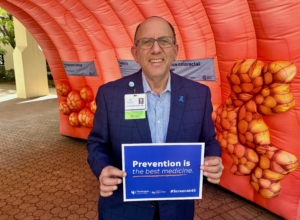
March is National Colorectal Cancer Awareness Month, a time to educate our community about colorectal cancer (CRC), highlight the importance of prevention and screening, and show support for those affected.

Why Awareness Matters

According to the American Cancer Society, while overall cancer death rates in people under 50 have declined by 44% since 1990, colorectal cancer is now the leading cause of cancer-related deaths in individuals under age 50. Approximately 10% of CRC cases occur in people younger than 50, underscoring a concerning trend. “These numbers reinforce why we’re seeing colorectal cancer more often in younger adults,” says Richard E. Nickowitz, MD, FACP, gastroenterologist. “Screening at the right time—before symptoms appear—can truly save lives.”

A Preventable Cancer

Colorectal cancer usually begins as adenomatous polyps—benign growths in the colon that can become cancerous over time. Detecting and removing these polyps early can prevent cancer before it starts.

That’s why both the U.S. Preventive Services Task Force and the American Cancer Society recommend that adults at average risk begin colorectal cancer screening at age 45. If no precancerous polyps are found and symptoms don’t develop, screening is typically repeated every 10 years.

Despite these recommendations, only about 20% of adults ages 45–49 are currently up to date with screening.

Screening Options

Colonoscopy remains the most effective screening test, as it detects both colorectal cancer and precancerous polyps. For individuals who prefer non-invasive options, other tests, such as stool and blood-based tests are available.

Dr. Nickowitz explains, “These tests can be helpful for cancer detection, but colonoscopy is still the best tool we have for finding and removing precancerous polyps before cancer develops.”

Huntington Hospital’s AI-assisted colonoscopy helps gastroenterologists identify polyps in real time and improves detection accuracy. This advancement means more precancerous polyps are being found and removed—helping reduce future colorectal cancer risk.

Your health matters

Colorectal cancer is largely preventable—and screening saves lives. If you are 45 or older, have symptoms, or have a family history or risk factors, talk with your doctor—or your gastroenterologist—about screening options.

To learn more about screening and care, go to: https://www.huntingtonhealth.org/our-services/cancer-treatment/screening-diagnosis/

Dr. Roger Yang receives medical director badge from Pasadena Fire Department

Dr. Roger Yang receives medical director badge from Pasadena Fire Department

In February, during a surprise ceremony, Pasadena Fire Department (PFD) presented Roger Yang, MD, emergency services, base medical director, with its first medical director badge.

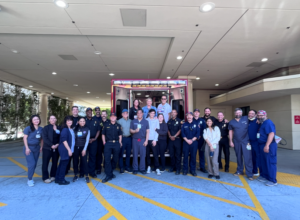
PFD Chief Chad Augustin presented the badge at the well-attended ceremony. Along with Dr. Yang’s family, Huntington’s prehospital and trauma program staff, fellow emergency department (ED) physicians, and leadership joined the celebration to support Dr. Yang. In addition, members of PFD, including two deputy chiefs and the emergency medical services (EMS) chief and captain, attended to recognize his achievement.

Dr. Yang has served as PFD’s medical director since 2017. In his role, he offers medical expertise to enhance PFD’s EMS. He works closely with the EMS educator and coordinator to develop and assess prehospital medical care by firefighter emergency medical technicians and paramedics. Over the years, he has brought amazing oversight and pilot projects to PFD, which has greatly benefited patients arriving at Huntington Hospital. 

Congratulations, Dr. Yang, for this well-deserved recognition!

The scoop on protein

The scoop on protein

Protein often gets the spotlight in conversations about health—and for good reason. It’s one of the most essential nutrients our bodies rely on every day, playing a key role in building and repairing muscle, supporting bone strength, keeping our metabolism active, and even helping us feel full after meals. Yet many people aren’t sure how much protein they need, or whether the amount they’re eating is truly supporting their goals. The answer isn’t one‑size‑fits‑all. We recently sat down with Crystal Kwan, registered dietitian at Huntington Health, an affiliate of Cedars-Sinai, in Pasadena, to break down the science-backed benefits of protein and how it can help us maintain a healthy diet.

Huntington News: How much protein do I personally need each day based on my age, activity, and goals?

Crystal: Most people need more protein than the basic minimum recommended. The official guideline (called the RDA) suggests 0.8 grams of protein per kilogram of body weight, but this is only the amount needed to prevent deficiency—not necessarily to stay strong and healthy. It doesn’t take into account things like how active you are, your age, whether you’re under stress, or whether you’re healing from illness or surgery.

Because everyone’s situation is different, protein needs vary. For example, athletes who are building muscle may need up to 2.2 g/kg, and adults trying to lose weight while keeping muscle usually need around 1.2–1.6 g/kg. Many experts find that 1–1.2 g/kg works well for most adults.

Since protein needs change with your lifestyle and health, the best way to find out how much you need is to meet with a registered dietitian who can personalize the recommendation for you.

Huntington News: How does protein support muscle maintenance, bone health, and metabolism?

Crystal: Protein is an important nutrient for building and repairing muscles and bones. It grows muscle fibers after exercise and can prevent muscle loss in older adults. Protein can also aid calcium absorption and is associated with higher bone mineral density making which can lower risks for osteoporosis.

Huntington News: Can increasing protein help with satiety and weight management?

Crystal: Protein is one of many nutrients that can play a role in satiety, or the feeling of fullness, after a meal or snack. Eating a balanced meal, one with a little bit of everything, optimizes your chances of feeling full to minimize the risk of eating more than your body says you need. This is also true for other nutrients like fiber, fat and complex carbohydrates. So, while protein may get a lot of media attention, don’t forget to eat other equally important nutrients to meet your body’s needs.

Huntington News: Is it possible to eat too much protein? If so, what signs should I look out for?

Crystal: Eating more protein than our bodies need can be a reflection of unbalanced eating, where people may risk undereating fiber from complex carbohydrates that include whole grains, starches, fruits and vegetables. Undereating fiber can mean poor digestion like bloating, and constipation. Depending on the source of protein, individuals may be eating more saturated fat than they realize, particularly if a higher proportion of their choices are coming from red meat and dairy. People with chronic kidney disease should also be mindful of their protein intake as too much protein can compromise long term kidney function.

Thank you, Crystal, for giving us the scoop on protein! To learn more about Huntington Hospital’s Outpatient and Inpatient Nutritional Counseling services, go to:  Nutrition Counseling | Huntington Hospital

The Critical Importance of Measles Vaccination

The Critical Importance of Measles Vaccination

By Kimberly Shriner, MD, Medical Director of Infection Prevention and Control, Huntington Health

Measles is one of the most contagious infectious diseases in the world—so contagious, in fact, that nine out of ten unvaccinated people who come into close contact with someone infected will develop the illness. While often perceived as a routine childhood disease, measles can lead to severe and life‑threatening complications. According to the Infectious Disease Society of American (IDSA), about one in five people with measles require hospitalization, one in twenty develop pneumonia, one in 1,000 experience encephalitis, and one to three out of every 1,000 infected individuals will die from the disease.

Recent increases in U.S. measles cases highlight why staying up to date on vaccination is crucial. In 2024 alone, more than 120 cases were reported—over double the previous year’s count—driven largely by international travelers returning with measles and outbreaks in communities with low vaccination rates, including parts of Texas and other states. Confirmed measles cases in Los Angeles and Orange County are important reminders that continued vigilance is needed.

Fortunately, the risk of widespread measles in the United States remains low because most children receive the measles, mumps, and rubella (MMR) vaccine. Adults born before 1957 typically have lifelong immunity, and many others gained protection through childhood vaccination. The MMR vaccine is extremely effective: one dose provides 93% protection, and two doses increase protection to 97%. Decades of use have shown it to be very safe.

People at higher risk—including healthcare workers and international travelers—should ensure they’ve received two doses. If vaccination status is uncertain, receiving another dose is safe for healthy individuals. However, because the MMR vaccine is live attenuated, it should not be given to those who are immunocompromised. As always, it’s important to talk to your physician about any vaccine or medication.

With measles spreading through the air and lingering on surfaces for hours, prevention is far easier than treatment. Staying informed, practicing good hygiene, and, most importantly, being vaccinated protects not just individuals but entire communities—especially vulnerable groups such as young children, pregnant individuals, and those with weakened immune systems.

As a reminder, if you suspect you or a family member has measles, please contact your physician immediately. For information on what to do if you are exposed, read: Measles: What to do if you’re exposed | Huntington Hospital

Source: CDC, Infectious Disease Society of America

Mark Holdsworth Joins Huntington Health’s Board of Directors

Mark Holdsworth Joins Huntington Health’s Board of Directors

Huntington Health announced that Mark Holdsworth has been elected as a new board member. Holdsworth is highly experienced in investing in the equity or debt of companies undergoing transitions. He has led and chaired many organizations, including Tennenbaum Capital Partners LLC (TCP), a Los Angeles-based private investment firm, where he was the chair of TCP’s Investment Committee and the former CEO of several TCP funds. He is also a community partner.

“We are pleased to welcome Mark Holdsworth to the Huntington Health Board of Directors,” said Paul Johnson, Chair, Board of Directors, Huntington Health. “Mark brings exceptional expertise in guiding organizations through complex transitions and a deep commitment to community service. His leadership experience and strategic insight will be invaluable as we continue advancing our mission to provide outstanding care to the communities we serve.”

Holdsworth is currently the founder and managing partner of The Holdsworth Group LLC (THG). THG advises companies on investment strategy and business issues and is a principal investor in real estate, public and private equities, credit and other investments. Holdsworth is also the Chairman, CEO and co-CIO of THG Securities Fund LP, a research-driven investment partnership focused on publicly traded securities. 

Additionally, Holdsworth is a director of Parsons Corporation, a worldwide engineering and solutions provider focused on defense, national security and critical infrastructure markets. He is also the chair of RF Industries Ltd., a company that manufactures cables and connectors for the telecom industry.

A champion of the community and education, Holdsworth was a national trustee of the Boys & Girls Clubs of America and the chair of the Department of Humanities and Social Sciences Chair’s Council at Caltech. He currently chairs The First Tee of Greater Pasadena, a youth golf development organization, and is a trustee of Polytechnic School in Pasadena.

Holdsworth is a graduate of Pomona College with a B.A. in Physics, the California Institute of Technology with a B.S. (Honors) in Engineering and Applied Science, and the Harvard Business School.  Holdsworth resides in San Marino, California with his wife and three daughters.

Red for a Reason: Huntington Health Kicks Off Heart Month

Red for a Reason: Huntington Health Kicks Off Heart Month

Huntington Health kicked-off Heart Month on February 6 during National Wear Red Day. Staff dressed in red to celebrate our heart patients and raise awareness about heart disease and stroke, as well as cardiovascular disease (CVD), which is the leading cause of death among women.

Know the Facts

The American Heart Association’s (AHA) 2026 Heart Disease and Stroke Statistics show that heart disease remains the No. 1 cause of death in the U.S., and stroke has moved up to the No. 4 position. High blood pressure, diabetes and obesity continue to be major risk factors that lead to CVD and stroke. The report also sounds the alarm about cardiovascular-kidney-metabolic (CKM) syndrome, a disorder made up of heart disease, kidney disease, diabetes and obesity that leads to poor health outcomes.

AHA’s 2026 Statistics Update for the U.S.

  • 47.3% of adults have high blood pressure compared to 46.7% previously.
  • Nearly 29.5 million adults have diagnosed diabetes compared to 29.3 million people previously.
  • About 50% of adults have obesity.
  • 28.1% of youth (2 to 19 years) have obesity compared to 25.4% previously.
  • Nearly 90% of U.S. adults have some level of CKM syndrome.
  • Over 80% of U.S. young and middle-aged adults show early CKM risk.

Know the Warning Signs 

To get medical help quickly, it’s important to recognize the signs of heart attack, stroke and cardiac arrest (the abrupt loss of heart function). AHA urges people to look out for these symptoms:

Heart Attack Symptoms

  • Chest discomfort: Uncomfortable pressure, squeezing, fullness or pain in the center of the chest that lasts more than a few minutes or goes away and comes back. 
  • Discomfort in other areas of the upper body: Pain or discomfort in one or both arms, back, neck, jaw or stomach.
  • Shortness of breath: Can occur with or without chest discomfort.
  • Other signs: Nausea, rapid or irregular heartbeat, feeling unusually tired, feeling lightheaded or breaking out into a cold sweat.

Call 911 if any of these symptoms are present. Learn more about heart attack symptoms.

Comprehensive Care at Huntington’s Helen and Will Webster Heart & Vascular Center

Huntington Hospital’s Helen and Will Webster Heart & Vascular Center provides a full spectrum of cardiac care—including screening and diagnostic tests, advanced medical and surgical treatments, rehabilitation services, and patient education. Each year, our expert cardiac team performs more than 76,000 procedures, ranging from open-heart surgery to non-invasive diagnostics.

To learn more about our cardiac team and services, go to: Cardiac Services | Huntington Hospital

Game Day, Done Smarter: Healthier Super Bowl snack swaps that still score big

Game Day, Done Smarter: Healthier Super Bowl snack swaps that still score big

By Crystal Kwan, RD, MPH, CDCES, Registered Dietitian, Huntington Hospital

Super Bowl Sunday is just around the corner, which means it is the perfect time to get your party platters in order! Whether you are hosting a large party or spending some time with a smaller group, choosing what to eat doesn’t have to sabotage your health goals.

Game day spread swaps:

– Use Greek yogurt instead of sour cream or cream cheese for dips

– Air fry or bake your chicken wings instead of deep frying

– Choose low or no-sodium tortilla chips with dips and spreads

– Use sliced vegetables to enjoy dips into spreads

– Cook with ground turkey for meatballs and chili instead of ground beef

– Modify portions by preparing bite-sized pieces of your favorite comfort foods

– Drink lower-calorie flavored beverages instead of regular sodas and juices

Check out these lighter, but equally tasty game day snacks and treats for your weekend gathering.

Cowboy Caviar

Boost your fiber intake with a spin on your classic chips-and-dip. Choose canned or fresh ingredients. Eat alongside corn tortilla chips or sliced vegetables.

Super Bowl Charcuterie

Show off your health flair by blending in more fruits, vegetables and grains onto your classic charcuterie board.

Add variety with:

  • 2 or more fruit choices (grapes, berries, sliced apples)
  • 2 or more vegetable choices (sliced mini bell peppers, sliced cucumbers, sliced jicama, grape tomatoes)
  • 2 whole grain cracker choices (Wasa crackers, rice cakes, whole grain Triscuits or Wheat Thins)
  • 1-2 cheeses
  • 1-2 sliced lean meats

Crispy Baked Chicken Wings

Hot chef tip! Achieve the same crispy texture by preparing your chicken wings with baking soda and cooking them in the oven or air fryer. With this lower fat, but equally delicious appetizer, your guests won’t miss the usual greasy mess from traditional chicken wings.  Pair with celery, carrot sticks, and your favorite low-fat dip.

Date and Avocado Chocolate Pudding

Tired of your traditional avocado dip? Instead of tossing your over-ripe avocados, try this 10-minute chocolate dessert. It’s easy, indulgent, and can be made ahead of time. Top the mousse with freeze-dried berries for some added color and antioxidant punch.

For more information about Huntington Hospital’s clinical nutrition counseling services, go to: Nutrition Counseling | Huntington Hospital

Huntington Hospital Earns Joint Commission Designation for Stroke Care

Huntington Hospital Earns Joint Commission Designation for Stroke Care

Huntington Hospital has earned Joint Commission’s Gold Seal of Approval® accreditation for stroke care. Using a data-driven accreditation process, Joint Commission helps ensure health care organizations adhere to leading quality and safety practices, fostering a culture of continuous improvement and commitment to better patient care. This accomplishment officially recognizes Huntington’s ongoing commitment to meeting rigorous performance standards and delivering the safest, highest quality care.

“Congratulations to our stroke team for earning Joint Commission’s Gold Seal of Approval® for Advanced Stroke Care,” said John M. Corman, MD, president and chief clinical officer of Huntington Health. “This prestigious recognition affirms Huntington Hospital’s consistent delivery of exemplary service in caring for stroke patients. It reflects our enduring commitment to deliver the very best for our community, especially for those in their most critical moments of need.”

Huntington Hospital underwent a rigorous, unannounced on-site review. During the visit, a team of Joint Commission reviewers evaluated compliance with stroke-related standards and conducted interviews to identify performance strengths and opportunities for continued improvement.

“Joint Commission congratulates Huntington Hospital for achieving accreditation by demonstrating its focus on delivering safe and effective care of the highest quality and value,” said Ken Grubbs, DNP, MBA, RN, executive vice president of Accreditation and Certification Operations and chief nursing officer, Joint Commission. “Through the accreditation process, we worked closely with Huntington to enable and affirm the highest standards of health care quality and patient safety. Together, we are elevating care for all patients, and we appreciate Huntington’s collaboration throughout this process.”

For more information about accreditation, visit Joint Commission’s website.

About Joint Commission

Founded in 1951, Joint Commission evaluates and accredits nearly 21,000 health care organizations and programs in the U.S. An independent, not-for-profit organization, Joint Commission is the nation’s oldest and largest standards-setting and accrediting body in health care. Learn more about Joint Commission at www.jointcommission.org.

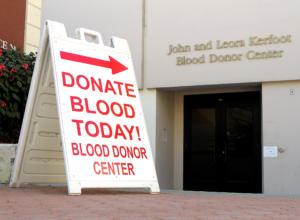
National Blood Donor Month: Know the facts

National Blood Donor Month: Know the facts

Did you know that in winter, blood donation centers see a decrease in donations? It’s understandable: People become busy during the holidays or want to stay in due to bad weather or cold/flu season. But when January rolls around, the blood supply sharply drops and restocking it becomes critical.

That’s a big reason why January is National Blood Donor Month. At Huntington, January signals a time to encourage the community to bravely give blood, to commend those who donate and to spread the word about this lifesaving resource to patients. Not to mention, Huntington is the only level-II trauma center in the San Gabriel Valley, so consistent blood donations are vital to meeting needs of the community.

Here are a few great reasons to donate blood:

  • It saves lives. A single donation can help multiple patients in various situations – from surgery to trauma.
  • It’s important. Every two seconds, someone requires blood. Ensuring the blood supply is stocked and replenished is essential to patient care.
  • It’s quick and safe. The process is straightforward, safe and takes around an hour. Trained professionals make donors feel at ease.
  • It strengthens the community. Donating ensures local hospitals and clinics are well-equipped to provide necessary care, contributing to the overall health of the community.
  • It’s easy and convenient. TheHuntington Hospital Blood Donor Center is located on the Huntington campus and open five days a week.

Call (626) 397-5422 to schedule your donation at the Huntington Hospital Blood Donor Center today! Visit the center’s website for more information and details on how to best prepare for your appointment.