Here for a Healthier Community

American Association of Critical-Care Nurses Recognizes Huntington Hospital’s Critical Care Unit with a Silver-Level Beacon Award for Excellence

American Association of Critical-Care Nurses Recognizes Huntington Hospital’s Critical Care Unit with a Silver-Level Beacon Award for Excellence

Huntington Hospital’s critical care unit (CCU) recently received a silver-level Beacon Award for Excellence from the American Association of Critical-Care Nurses (AACN). This award recognizes unit caregivers who successfully improve patient outcomes and align practices with AACN’s Healthy Work Environment Standards.

“I am thrilled that our critical care unit has achieved this significant milestone,” said Gail Cinexi, BSN, MBA, interim chief nursing officer, Huntington Health. “This award is a testament to the exceptional patient care we give and the healthy work environment we uphold.”

Units that achieve this three-year, three-level award with a gold, silver or bronze designation meet national criteria consistent with the American Nurses Credentialing Center (ANCC) Magnet Recognition Program®, the Malcolm Baldrige National Quality Award and the National Quality  Award in health care.

AACN President Terry Davis, PhD, RN, NE-BC, CHTP, FAAN, applauds the exemplary efforts of Huntington Hospital’s critical care unit for working together to meet and exceed the high standards set forth by the Beacon Award for Excellence. “These dedicated health care professionals join other members of the exceptional community of nurses who set the standard for optimal patient care,” Davis said. “The Beacon Award for Excellence recognizes caregivers in stellar units whose consistent and systematic approach to evidence-based care optimizes patient outcomes. Units that receive this national recognition serve as role models to others on their journey to excellent patient and family care.”

The silver-level Beacon Award for Excellence signifies an effective approach to policies, procedures and processes that engage staff and key stakeholders. It also shows that the unit has evaluation and improvement strategies in place and good performance measures when compared to relevant benchmarks. Huntington Hospital’s critical care unit earned its silver award by meeting the following evidence-based Beacon Award for Excellence criteria:

•            Leadership structures and systems

•            Appropriate staffing and staff engagement

•            Effective communication, knowledge management, and learning and development

•            Evidence-based practice and processes

•            Outcome measurement

To learn more about the AACN and the Beacon Award for Excellence, visit: www.aacn.org/beacon
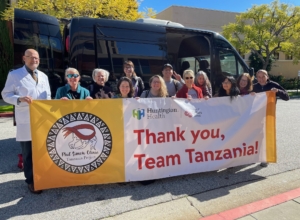
Team Tanzania returns to Africa to support the efforts of the Phil Simon Clinic Tanzania Project

Team Tanzania returns to Africa to support the efforts of the Phil Simon Clinic Tanzania Project

Huntington Health, an affiliate of Cedars Sinai, announced that its volunteers from Team Tanzania recently returned to Africa to support the efforts of the Phil Simon Clinic Tanzania Project (PSCTP). The PSCTP is a nonprofit organization that provides clinical and specialty care, veterinary care, education and social work in East Africa. It also offers a health care scholarship program to alleviate the shortage of physicians and nurses in Tanzania.

“We are excited to announce our return to Tanzania after a 5-year COVID-induced hiatus,” said Phil Simon Clinic Director Kimberly Shriner, MD, FACP, medical director of infection prevention and control, Huntington Health and founder of Phil Simon Clinic Tanzania Project. “Although we accomplished a lot with the growth of our scholarship program here during the pandemic, it is always wonderful to be back on the ground with our colleagues and friends in East Africa.” 

On this 12th trip to Arusha, Tanzania, Dr. Shriner and 14 Huntington-associated volunteers – with specialties in OB/GYN, internal medicine, dermatology, social work, pharmacology, infectious disease, emergency medicine, nursing, education and more – will support PSCTP efforts and continue to enhance the scholarship program.

“This trip is a strategic planning event with a focus on our scholars, their futures and setting up research and career opportunities,” said Dr. Shriner. “We will be reaching out to several academic centers in Northern Tanzania to establish future venues for our medical-surgical team members.”

In 2002, the first PSCTP team of health care workers arrived in Northern Tanzania. The team’s mission was to tackle the AIDS epidemic in Tanzania and alleviate the suffering of its people. Since then, more than 130 Huntington employees and physicians have donated their time, money and expertise to provide health care, medication, HIV and anti-retroviral education, and support to the impoverished region.

This year’s team is also working on an international project that focuses on One Health initiatives and human-animal interrelatedness. One Health aims to improve the lives of all species by integrating human medicine, veterinary medicine and environmental science.

Although infectious diseases and other detrimental factors remain a challenge for Africa, PSCTP’s  support, education, research and compassionate volunteers have had a positive impact on Tanzania and will continue to do so.

To learn more about Phil Simon Clinic Tanzania Project, visit: philsimontanzania.org

Huntington Health welcomes new pediatric endocrinologist to Pasadena

Huntington Health welcomes new pediatric endocrinologist to Pasadena

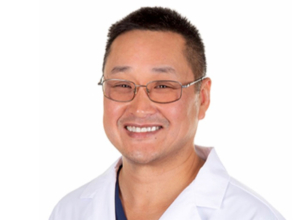
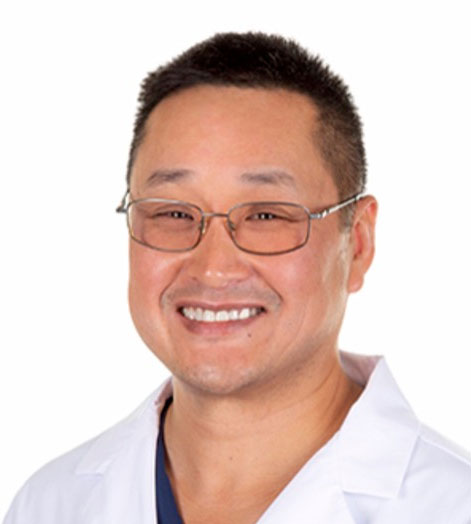
John Ching, MD
John Ching, MD

Huntington Health, a Cedars-Sinai affiliate, announced Pediatric Endocrinologist John Ching, MD, will be providing expanded services at the Huntington Health Physicians (HHP) Pasadena office.

Pediatric endocrinologists treat children and adolescents who have hormonal disorders. This includes Type 1 and Type 2 diabetes; growth, puberty, sex development and bone/mineral disorders; obesity; hypoglycemia; and adrenal, parathyroid, thyroid and pituitary gland conditions. Dr. Ching, a faculty member of Cedars-Sinai Guerin Children’s, now provides this specialized care at the HHP Pasadena office weekly to fill this critical need for local patients.

“Increasing access to endocrine care for children is vital to the health of our community,” says Shital Arya, MD, medical director, Huntington Health Physicians. “I am proud to welcome Dr. Ching, expanding access to the world-class care of Cedars-Sinai Guerin Children’s for our patients right here in Pasadena.”

According to the Centers for Disease Control and Prevention (CDC), about 14.7 million children and adolescents are affected by obesity.  In 2021, the CDC also reported, “Diagnosed cases of Type 1 and Type 2 diabetes are surging among youth in the United States. From 2001 to 2017, the number of people under age 20 living with Type 1 diabetes increased by 45%, and the number living with Type 2 diabetes grew by 95%.”

Hormone issues that develop during childhood through adolescence are chiefly different from hormone issues in adults, so pediatric endocrinologists are trained to treat patients based on their different stages of development. Children with hormonal disorders are typically referred to a pediatric endocrinologist by their pediatrician.

Dr. Ching is board-certified in pediatrics and pediatric endocrinology. He provides specialized care for children experiencing diabetes, thyroid disease, obesity and growth hormone deficiency. He serves on several boards: American Academy of Pediatrics, Pediatric Endocrine Society and the Endocrine Society. He is also fluent in Mandarin.

To learn more about Huntington Health Physician’s pediatricians, visit: www.huntingtonhealth.org/huntington-health-physicians/our-services/pediatric-care/

To learn more about Guerin Children’s services, visit:

www.cedars-sinai.org/guerinchildrens

Taking Charge – Outsmarting Arthritis

Taking Charge – Outsmarting Arthritis

Arthritis is a common disorder that affects your joints and can cause pain and inflammation. For the nearly 60 million adults in the U.S. with this condition, it can be difficult to move or stay active. You can’t always prevent arthritis. Some causes, such as age and family history, are out of your control. But you can take steps to reduce your risk of arthritis or delay its onset. Read on to learn more.

Build some muscle. Lifting weights can help strengthen the muscles that surround your joints so that they’re supported and protected. When it’s time to bend, the more work your muscles can take on, the better.

Stretch. Daily stretching is another great way to keep your joints lubricated, your muscles strong and flexible, and your range of motion intact. Remember to stretch your hands as well, particularly if you spend a lot of time typing or texting. Give your muscles a chance to relax and lengthen.

Eat your omega-3s. Omega-3 fatty acids have a number of health benefits, including reducing inflammation in the body. Try eating fish high in omega-3s, like salmon, trout, mackerel or sardines, twice a week. If you’re vegan or vegetarian, some nuts and seeds such as walnuts also contain omega-3s.

Keep it low-impact. Low-impact exercise is joint-friendly. It gets your heart rate up and your muscles in motion without putting stress on your joints. Walking, cycling and swimming fit the criteria. Find a workout you love to ensure you’ll keep it up.

Stay a healthy weight. Excess weight puts strain on weight-bearing joints like knees and hips, which can lead to arthritis. The good news is that even a small amount of weight loss can make a difference: With every pound you lose, you remove four pounds of pressure on your knees and six pounds of pressure on your hips.

Kick the habit. Smoking is a risk factor for rheumatoid arthritis (RA), an inflammatory disorder that affects the joints. Since smoking causes inflammation throughout your body, quitting can help protect against RA.

 Avoid injury. Preventing injury goes a long way toward keeping yourself healthy, now and in the future. That’s because if you injure your joints, you can damage cartilage and cause it to wear out more quickly. Be sure you always warm up before playing sports and don’t “tough it out” or “breathe through it” when pain occurs. Listen to what your body is telling you, especially when it’s joint-related, and adjust accordingly.

Practicing healthy habits like these can reduce your risk for arthritis — and help improve your overall health and well-being.

Sources: CDC; AARP; Healthline; and Women’s Health.

Huntington’s Blood Donor Center Seeks Blood Donations

Huntington’s Blood Donor Center Seeks Blood Donations

January is National Blood Donor Month, which spreads awareness about the importance of giving blood and celebrates those who roll up their sleeve to give lifesaving blood to patients in need. Why January? Although the need for blood is year-round, winter is the most difficult time to maintain a sufficient blood supply. Because of this low inventory, Huntington Health is encouraging the community to step up and donate.

“As the only trauma center in the San Gabriel Valley, we rely on the community to help us keep our blood supplies up and provide lifesaving care,” said Ida Diaz, Huntington Blood Donor Center. “Because only about 3% of the eligible donors in California give blood, the unfortunate result is a chronically low shortage of supply. The good news is, every blood donation can save up to two lives – what an amazing gift of life!”

Pasadena resident and recent blood donor, Suzanne, also shared, “The Huntington Blood Donor Center is an important resource for our community – and so convenient. I donate because I know people in my community need blood for surgeries and procedures. This is my way of helping. This is me doing my part.”

To schedule a donation at the Huntington Hospital Blood Donor Center, call (626) 397-5422. Please note, when you donate blood, remember to drink plenty of water starting the day before your scheduled donation, do not skip any meals and bring your driver’s license, California ID or passport. If you’re a student we will accept your school ID as long as it includes your photo, name and birth date.

For more information and to see a list of upcoming blood drives, visit: huntingtonhealth.org/blood

Local police departments deliver toys and holiday cheer to Huntington pediatric and NICU patients

Local police departments deliver toys and holiday cheer to Huntington pediatric and NICU patients

On December 13, the Pasadena Police Air Operations Section and the Foothill Air Support Team (FAST), along with Santa Claus, touched down from the North Pole (via helicopter) to deliver toys to our pediatric and NICU patients!

The 18th annual visit was funded through generous contributions from Pasadena Police Department employees and officer associations participating in the FAST program throughout the San Gabriel Valley. Every year, our community heroes donate from their own pockets to support Huntington’s pediatric and NICU departments. These gifts are provided to our pediatric patients all year long.

Thank you to Pasadena Police Chief, Gene Harris and the Arcadia, Azuza, Covina, Glendora, Irwindale, Monrovia, Pomona, Pasadena, San Marino, Sierra Madre and South Pasadena Police Departments, and the Pasadena Police Foundation, for their generosity. And of course, thank you to Santa for bringing holiday joy to our patients and families!

Huntington Hospital is awarded Comprehensive Stroke Center Certification from The Joint Commission

Huntington Hospital is awarded Comprehensive Stroke Center Certification from The Joint Commission

Huntington Hospital has earned The Joint Commission’s Gold Seal of Approval® and the American Heart Association/American Stroke Association’s Heart Check mark for Comprehensive Stroke Center (CSC) Certification. CSC is the most demanding stroke certification, which is geared toward hospitals that can treat the most complex stroke cases.

Huntington Hospital recently underwent a rigorous on-site review when a team of Joint Commission reviewers evaluated compliance with stroke-related certification standards. Joint Commission standards are developed in consultation with health care experts and providers, measurement experts and patients. The reviewers also conducted on-site observations and interviews.

“Huntington Hospital is proud to receive the Comprehensive Stroke Center Certification from The Joint Commission and the American Heart Association/American Stroke Association,” said Arbi Ohanian, MD, medical director, Huntington Hospital Stroke Program. “This advanced certification confirms the outstanding quality and safety of our care and shows our dedication to always meeting or exceeding rigorous national standards for our stroke patients.”

“The Comprehensive Stroke Center Certification recognizes health care organizations committed to striving for excellence and fostering continuous improvement in patient safety and quality of care,” says Ken Grubbs, DNP, MBA, RN, executive vice president of Accreditation and Certification Operations and chief nursing officer, The Joint Commission. “We commend Huntington Hospital for using The Joint Commission certification process to reduce variation in clinical processes and to strengthen its clinical program to drive safer, higher quality and more compassionate care for individuals served.”

“We congratulate Huntington Hospital for this outstanding achievement,” says Nancy Brown, chief executive officer, American Heart Association/American Stroke Association. “This certification reflects its commitment to providing the highest quality of care for stroke patients.”

Hospitals that have received a Gold Seal of Approval® continuously comply with The Joint Commission’s nationally developed standards with a commitment to quality improvement and delivering safe, high-quality care. The CSC Certification demonstrates a hospital’s dedication to higher performance standards, using a patient-centric approach that evaluates and advances patient care at every touch point in its stroke care continuum.

For more information about accreditation, visit The Joint Commission’s website. For information about stoke treatment, visit Huntington Health’s Stroke Program webpage.

About The Joint Commission

Founded in 1951, The Joint Commission evaluates and accredits nearly 21,000 health care organizations and programs in the U.S. An independent, not-for-profit organization, The Joint Commission is the nation’s oldest and largest standards-setting and accrediting body in health care. Learn more about The Joint Commission at www.jointcommission.org.

About the American Heart Association/American Stroke Association

The American Heart Association and the American Stroke Association are devoted to saving people from heart disease and stroke – America’s No. 1 and No. 5 killers. They team with millions of volunteers to fund innovative research, fight for stronger public health policies, and provide lifesaving tools and information to prevent and treat these diseases. The Dallas-based American Heart Association is the nation’s oldest and largest voluntary organization dedicated to fighting heart disease and stroke. The American Stroke Association is a division of the American Heart Association. To learn more, visit heart.org.

Huntington Health welcomes new OB-GYN to Fair Oaks Women’s Health

Huntington Health welcomes new OB-GYN to Fair Oaks Women’s Health
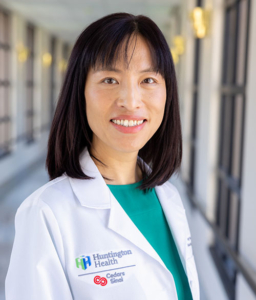
Rong Fan, MD
Rong Fan, MD

Huntington Health, a Cedars-Sinai affiliate, announced that obstetrician/gynecologist, Rong Fan, MD, has joined Fair Oaks Women’s Health. One of the largest OB-GYN practices in the San Gabriel Valley, Fair Oaks Women’s Health has provided gynecological services and obstetric expertise – from routine prenatal care to high-risk pregnancy – for decades. Dr. Fan will skillfully treat patients at the Fair Oaks Women’s Health offices, adjacent to the Huntington Health campus.

“We are so pleased to welcome Dr. Rong Fan to Fair Oaks Women’s Health,” says Bryan Jick, MD, medical director of Fair Oaks Women’s Health. “Her OB-GYN training spanning three different countries, experience as an expert OB-GYN and talent in laparoscopic procedures will give our patients the outstanding care they’ve come to expect at our practice.”           

Dr. Fan specializes in prenatal care, abnormal uterine bleeding, fibroids, ovarian cysts, endometriosis, polyps, colposcopy, hysteroscopy, laparoscopy and robotic surgery (da Vinci Xi). She earned her medical degree at Southeast University Medical College in Nanjing, China. She completed her residency at the Icahn School of Medicine at Mount Sinai Queens in New York City. She is a member of American College of Obstetricians and Gynecologists, the Society of Laparoscopic & Robotic Surgeons and the American Association of Gynecologic Laparoscopists. Dr. Fan is also fluent in Mandarin.

Fair Oaks Women’s Health offers a wide range of services, including well-woman exams, pap smears, minimally invasive gynecological surgery, birth control (including intrauterine devices), sexually transmitted infection evaluations (including HPV testing), fertility testing and hormone evaluations/treatments (including perimenopause and menopause). The practice also includes an ultrasound department, fetal non-stress testing and on-site lab collection.

To learn more about Fair Oaks Women’s Health, visit: fowh.com

All about lung cancer.

All about lung cancer.

Questions & answers from our expert lung cancer team.

Did you know that lung cancer is the leading cause of cancer death in the U.S.? This November, in honor of Lung Cancer Awareness Month, we sat down with members of the team at Huntington Cancer Center, an affiliate of Cedars-Sinai Cancer, that specialize in thoracic cancer, including lung cancer. They offered helpful information on how to catch lung cancer early and how it can be effectively treated. Read on to hear from thoracic surgeon Amirhossein Mahfoozi, MD; Clinical Director of Medical Oncology Tina Wang, MD; and nurse navigator Christine Conti, RN.

When is surgery used to treat lung cancer?

Dr. Mahfoozi: For some patients diagnosed with lung cancer, surgery may be the only treatment needed. When we catch lung cancer early (stage 1), we can operate and remove the tumor. The surgery is often performed in a minimally invasive way using robotic techniques, which can speed up recovery times. When lung cancer is diagnosed at later stages, multimodality therapy is often needed that can include immunotherapy or targeted therapy either before or after surgery.

What other treatments are used for lung cancer?

Dr. Wang: Lung cancer is treated in several different ways, depending on the type of lung cancer and how far it has spread. Before starting treatment, we develop a personalized care plan for every patient. At Huntington Health, we offer immunotherapy, a novel way of treatment that activates the immune system to attack cancer. For some patients, we utilize targeted therapy, a type of precision treatment that uses drugs to attack cancer cells with specific mutations. Chemotherapy is also beneficial for many patients with lung cancer.

What does a nurse navigator do?

Nurse Christine: Our team of nurse navigators helps patients and their caregivers throughout their cancer journey. We are patient advocates. We assess and anticipate their needs, including clinical, emotional, spiritual, financial and other needs. We provide the patient and their caregivers with education about their type of cancer and treatment options, coordinate appointments, communicate with members of the care team, provide referrals for supportive resources and more. We are here to guide patients through one of the most challenging times in their lives.

What is a tumor board and what is the benefit?

Dr. Mahfoozi: We bring together medical experts across multiple disciplines — surgeons, radiation oncologists, medical oncologists, pathologist, radiologists, pulmonologists, and others — to plan and discuss optimal treatment. These meetings — known as tumor boards — help ensure the broadest and best clinical thinking regarding the most up-to-date therapy options for each patient. In addition to specialists from Huntington Health and Cedars-Sinai, tumor boards include specialists from other academic medical institutions. We have specialty tumor boards for lung/thoracic, prostate/genitourinary, neurological, general, and breast cancers. By bringing together leading cancer specialists in the region, these meetings help ensure our patients get highly personalized cancer care.

What should our patients know about lung cancer screening?

Nurse Christine: Early detection truly does save lives.In California, however, only 1% of those eligible, are getting screened, so it is important that we normalize screening. People aged 50 to 80 years old who have a 20-pack-year smoking history (that means one pack a day for 20 years, two packs a day for 10 years, etc.) benefit from annual screening. The screening test for lung cancer only takes a few minutes and is not painful. It is performed using a low-dose computed tomography (also called a low-dose CT scan). Be sure to ask your doctor for a screening referral if you meet these guidelines.

What makes Huntington Cancer Center special?

Dr. Wang: At Huntington Cancer Center, we offer the care patients need, close to home. We have an expert team of dedicated cancer specialists and offer leading-edge treatment options using modern technology. We are also proud to have an unrivaled patient support program. Our support services include our Integrative Oncology program, support groups and more. Through the Constance G. Zahorik Appearance Center, we help patients manage the cosmetic side effects of their cancer treatment. We are very fortunate to be able to offer these above-and-beyond services for our patients.

Visit huntingtonhealth.org/lung to learn more about our lung cancer program.

New England Journal of Medicine publishes Huntington’s study on pacemakers

New England Journal of Medicine publishes Huntington’s study on pacemakers
Mayer Rashtian, MD, FACC, FHRS

Huntington Hospital recently hosted a clinical trial for a dual-chamber leadless pacemaker system. We’re excited to announce that the findings were published in the New England Journal of Medicine (NEJM). The study was helmed by Huntington physician Mayer Rashtian, MD, FACC, FHRS, (principal investigator) with support from his partners and our clinical research nurses. Thanks to a great recruitment effort from Dr. Rashtian and our outstanding team, Huntington was one of the top clinical trial enrollers in the world.

The pacemaker system, which consists of two implanted devices, one in the right atrium and another in the right ventricle, makes leadless pacemaker therapy a treatment option for a wider range of indications, such as consistent atrioventricular synchrony. During the trial, the team coordinated the dual-chamber leadless pacemakers implants, collected/reported data and ensured a good patient experience.

The dual-chamber leadless pacemaker system is now FDA approved. To learn more about the study, visit NEJM.