Here for a Healthier Community

Top 5 Tips to Prevent Spread of Respiratory Viruses

Top 5 Tips to Prevent Spread of Respiratory Viruses

Respiratory virus season is just around the corner—typically fall through winter—when viruses like flu, COVID-19, and RSV circulate more widely. Kimberly Shriner, MD, medical director of infection prevention and diseases at Huntington Health, recently shared some helpful tips to remind our community how to stay healthy, particularly as we head into the holiday season.

“As we have seen over the last several years, humans can be uniquely susceptible to respiratory viruses,” said Dr. Shriner. “Fortunately, even the simplest of measures can help protect you and the ones you love.”

1. Stay Up to Date with Vaccinations

2. Practice Good Hygiene

  • Wash hands frequently with soap and water for at least 20 seconds.
  • Use hand sanitizer with at least 60% alcohol when soap isn’t available.
  • Cover coughs and sneezes with a tissue or your elbow.
  • Avoid touching your eyes, nose, and mouth with unwashed hands.

3. Improve Indoor Air Quality

  • Open windows for ventilation.
  • Use air purifiers or filters.
  • Spend time outdoors when possible, especially in crowded settings.

4. Stay Home When Sick

  • If you have symptoms like fever, cough, or fatigue, stay home to avoid spreading illness.
  • Seek medical care early from your physician, urgent care or go to your nearest emergency room if symptoms are severe

5. Use Additional Protective Measures When Needed

  • Wear a mask in crowded or high-risk settings.
  • Physically distance from others, especially if they are sick.
  • Use testing to confirm illness and guide treatment decisions.

As always, talk to your physician about what’s right for you. For more information about respiratory viruses, or to find information about Huntington Health physicians, go to: huntingtonhealth.org

Huntington Cancer Center Brings Hope and Healing to Cancer Survivors

Huntington Cancer Center, an affiliate of Cedars-Sinai Cancer, recently hosted a heartfelt celebration honoring cancer survivors. Nearly 100 patients and family members gathered to reconnect with the physicians, nurses, and staff who supported them through their cancer journeys. Guests enjoyed delicious food, uplifting music, and meaningful moments of reflection.

Survivors were also greeted with words of encouragement from Pasadena Police Department officers, who have been actively raising breast cancer awareness throughout the community. Their efforts include a series of fundraisers benefiting cancer services at Huntington Cancer Center.

A highlight of the event was two interactive panel discussions featuring breast cancer experts in radiology, surgery, medical oncology, and radiation oncology, along with Huntington’s social worker and clinical nutrition team. These sessions provided valuable insights and fostered open dialogue between survivors and care providers.

The celebration concluded with wellness activities including reiki sessions, movement and exercise, and a therapeutic drum circle—offering survivors a chance to relax, recharge, and connect.

Huntington Cancer Center extends special thanks to the Pasadena Police Department, Cancer Support Community of San Gabriel Valley, and the American Cancer Society for their participation and continued support.

For more information about Huntington Cancer Center, cancer screenings and a list of breast cancer clinical trials, visit: www.huntingtonhealth.org/cancer

Terri and Jerry Kohl Medical Pavilion project receives Golden Gate safety award

Terri and Jerry Kohl Medical Pavilion project receives Golden Gate safety award

Since its groundbreaking in October 2024, construction for the Terri and Jerry Kohl Medical Pavilion has been underway. We’re excited to announce that this work in progress – a four-story, 100,285-square-feet cancer/specialty care facility – was recently recognized by Cal/OSHA with its Golden Gate safety award. This is significant: of the 40,000+ active construction projects in California, only around 70 projects meet the exceptionally high standards required for this honor.

The facility, which is expected to be completed by late 2027, will be located across the street from Huntington’s campus. It will significantly enhance cancer care capabilities, supporting Huntington Cancer Center, an affiliate of Cedars-Sinai Cancer, and be home to numerous specialists: cardiac, vascular, thoracic, and more.  

This achievement reflects the effective collaboration between Huntington’s general contractor, Layton|Abbott Construction, and their trade partners, who focus on proactive planning, ongoing improvement and a safety-first culture.

Congratulations to the Huntington Health Kohl Medical Pavilion construction management team for exemplifying excellence and demonstrating what can be achieved when safety is a priority.

Huntington Health Kicks Off 2025–2026 Flu Season with Free, Accessible Vaccination Clinics in the Community

Huntington Health Kicks Off 2025–2026 Flu Season with Free, Accessible Vaccination Clinics in the Community

As the 2025–2026 flu season begins, Pasadena residents and neighbors throughout the San Gabriel Valley are urged to take proactive steps to protect themselves and their families from influenza.

Huntington Health has begun a series of free community flu shot clinics across the region, offering walk-in access to vaccinations with no appointment required.

Locations include:

  • September 25, 9 – 11 a.m. South Pasadena Senior Center 1102 Oxley St., South Pasadena
  • September 25, 12 – 2 p.m. Villa Parke Community Center 363 E. Villa St., Pasadena
    In collaboration with the Pasadena Public Health Department.
  • September 27, 8 – 11 a.m. Victory Park Farmer’s Market 2901 E. Sierra Madre Blvd., Pasadena
  • September 28, 9 – 11 a.m. Dream Church 1305 E. Colorado Blvd., Pasadena
  • September 29, 10 a.m. – 12 p.m. Altadena Library 600 E. Mariposa St., Altadena
  • September 30, 7:15 – 9:15 a.m. St. Philip the Apostle School/Church 1363 Cordova St., Pasadena
  • October 2, 10 a.m. – 12 p.m. Crowell Public Library, 1890 Huntington Dr., San Marino
  • October 5, 9 – 11 a.m. Light of Love Mission Church 2801 E. Colorado Blvd., Pasadena
  • October 7, 11 a.m. – 1 p.m. Huntington Hospital – Cafeteria 100 W. California Blvd., Pasadena
  • October 9, 4 – 6 p.m. South Pasadena Farmer’s Market 905 Meridian Ave., South Pasadena
  • October 11, 5 – 8 p.m. Latino Heritage Festival Pasadena City Hall, 100 N. Garfield Ave., Pasadena
  • October 12, 10 a.m. – 12 p.m. First United Methodist Church of Pasadena 500 E. Colorado Blvd., Pasadena
  • October 13, 8:30 – 10:30 a.m. Holy Family Church (St. Joseph Ctr.) 1524 Fremont Ave., South Pasadena
  • October 14, 4 – 6 p.m. Huntington Hospital Emergency Department, Fairmount Entrance
  • October 15, 10 a.m. – 12 p.m. Hastings Branch Public Library 3325 E. Orange Grove Blvd., Pasadena
  • October 19, 9:30 a.m. – 12:30 p.m. St. Elizabeth Parish 1849 N. Lake Ave., Altadena

The clinics, which are staffed by Huntington Health community outreach nurses, are open to the public and will operate on a first-come, first-served basis. Vaccines will be administered to individuals who meet the following criteria:

  • No moderate or severe acute illness (with or without fever)
  • No severe allergy to the influenza vaccine
  • No history of Guillain-Barré syndrome
  • Children ages 9–17 must be accompanied by a parent or guardian to provide consent

There is a limited supply of vaccines for each clinic. All sites listed are open to the public. No reservations or appointments are needed and insurance isn’t required. Standard dose will be provided, not the high dose, which is recommended for persons 65+.

For more information about the flu, please go to: www.huntingtonhealth.org/flu.

Phil Simon Clinic Tanzania Project Celebrates 25 Years of Global Health Impact

Phil Simon Clinic Tanzania Project Celebrates 25 Years of Global Health Impact

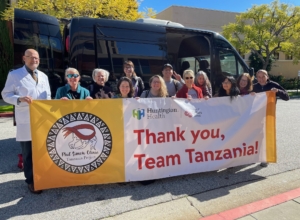
The Phil Simon Clinic Tanzania Project (PSCTP), a global health initiative born out of Huntington Hospital, proudly marks its 25th anniversary in 2025. Founded in response to the HIV crisis sweeping Sub-Saharan Africa in the early 2000s, PSCTP has grown from a small volunteer effort into a transformative nonprofit organization dedicated to improving health outcomes in East Africa.

In 2002, after two years of planning, PSCTP sent its first volunteer medical team to Northern Tanzania to assess the AIDS epidemic and provide relief. Since then, more than 130 Huntington Health employees and physicians have joined “Team Tanzania,” donating their time, expertise, and resources to deliver clinical care, education, and support to underserved communities.

“Our vision remains steadfast: to help provide sustainable community health care in underserved areas,” said Kimberly Shriner, MD, PSCTP founder and medical director of infection prevention and disease, Huntington Health. “The commitment and compassion of our volunteers have made a lasting impact on the lives of countless individuals in Tanzania.”

Over the past two and a half decades, PSCTP has:

  • Delivered primary and specialty medical care through clinics, home visits, and surgical missions.
  • Hosted international symposia on HIV and infectious diseases.
  • Established a health care scholarship program, supporting Tanzanian students like Dr. Ezekiel Moirana, now Medical Director of AICC Hospital.
  • Partnered with local clinics and hospitals to foster long-term, cross-border collaborations.
  • Expanded into veterinary care and launched One Health initiatives integrating human, animal, and environmental health.

Milestones include the first international HIV symposium in 2005, the launch of surgical missions in 2009, and the graduation of PSCTP’s first scholar in 2012. In 2024, PSCTP hosted a scholarship conference and initiated new partnerships with veterinary organizations, furthering its holistic approach to health care.

As PSCTP celebrates this remarkable milestone, it continues to support Tanzanian scholars, explore research opportunities, and share knowledge across borders. The organization’s enduring legacy is a testament to the power of compassion, collaboration, and community.

To learn more or support PSCTP’s mission, visit http://philsimontanzania.org.

Huntington Health’s Senior Care Network Announces Fall Noon Hour Lecture Series

Huntington Health’s Senior Care Network Announces Fall Noon Hour Lecture Series

Huntington Health’s Senior Care Network (SCN) is pleased to announce its Fall Noon Hour lecture series, offering free, in-person and virtual educational events designed to empower older adults and caregivers with practical health information. Each session begins at 12:30 p.m. and lasts approximately one hour, including time for audience questions.

This season’s lineup features expert-led discussions on timely health topics:

  • Virtual Wednesday, September 10 – All About Sepsis
    In recognition of Sepsis Awareness Month, Kimberly Shriner, MD, medical director of infection prevention and control at Huntington Health, will share lifesaving information about sepsis, including signs, symptoms and when to seek care.
  • In-person Wednesday, September 17 – Fall Prevention and Recovery
    Julia Masulis, PT, DPT, NCS, will provide strategies to help prevent falls, assess personal risk and reduce hazards in the home.
  • In-person Wednesday, October 15 – Breast Cancer Awareness
    Niki Tank, MD, oncologist at Huntington Cancer Center, an affiliate of Cedars-Sinai Cancer, will discuss the importance of regular screening and demonstrate breast self-examination techniques.
  • Virtual Wednesday, October 22 – Navigating Medicare’s Open Enrollment Period
    Stephanie Fajuri, Esq., program director at the Center for Health Care Rights, will guide attendees through Medicare’s open enrollment process, helping them compare coverage options and make informed decisions.
  • Virtual  Wednesday, November 19 – Aging Beyond Stereotypes
    Jennifer Jorge, LCSW, director of community social services at the Motion Picture & Television Fund, will explore ageism and how to challenge societal stereotypes about aging.
  • Virtual Wednesday, December 10 – The Heart of the Matter: Cholesterol and You
    Michelle Rose, Pharm.D., CACP, APh, will offer practical tips on managing cholesterol through diet, exercise and lifestyle changes to support heart health.

In-person Noon Hour events take place in Huntington Hospital’s North Dining Room. Please bring your ID for check-in. Advance registration is required for our in-person Noon Hour events. Visit https://forms.office.com/r/6mNDa6fJhY to register.

If you have a cough, cold or any symptoms of flu, COVID-19 or any other infectious disease, please reconsider attending.

Virtual Noon Hour Events are held via Zoom, but a call-in option is also available. To register for the virtual events, go to: Webinar Registration – Zoom.

For more information about registration, parking and location for Noon Hour events, click here.

Huntington Health honored by American Medical Association for commitment to physician well-being

Huntington Health honored by American Medical Association for commitment to physician well-being

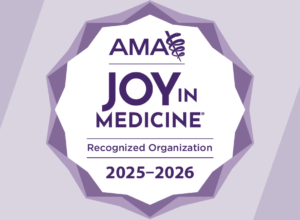
Huntington Health is pleased to announce it has earned the 2025 bronze-level recognition from the American Medical Association’s (AMA) Joy in Medicine Health System Recognition Program. This prestigious distinction honors health care organizations that reduce physician burnout and cultivate the fulfillment that comes from patient care. Organizations that meet the rigorous criteria of the program are leaders in the national effort to transform health care and address the root causes of burnout among care teams.

“Being recognized for taking care of our physicians’ well-being is a great honor that I share with the Physician Executive Wellness Steering Committee members,” said David Ulick, MD, emergency medicine, and Huntington Physician Executive Wellness Steering Committee (PEWSC) chair. “I would like to say a big thank you to my entire PEWSC team for their tireless work and to all of the physicians and leaders for championing this important cause. Reducing burnout and promoting well-being is twofold: It helps our physicians reconnect with the joy of serving patients, and it’s vital to delivering the high-quality care our community deserves and expects.” 

Research shows that burnout rate among U.S. physicians reached 62.8% in 2021 during the COVID-19 pandemic and decreased to 45.2% in 2023 following system-level interventions addressing burnout. Despite improvements, physician burnout levels remain much higher than other U.S. workers. Continued efforts are essential to ensure doctors receive the support they need to thrive and achieve national health goals.

“Joy in Medicine recognized organizations are leading the gains made against the physician burnout crisis and help clinicians rediscover the deep rewards and joy that comes from helping patients,” said AMA President Bobby Mukkamala, MD. “The AMA distinction honors each organization’s commitment to not only the health and well-being of the care team, but also to patients. Quality care ultimately originates from a positive and purposeful work culture where health care professionals can flourish both mentally and physically.”

This year, 109 health organizations nationwide earned recognition with documented efforts to reduce system-level drivers of burnout. Each demonstrated competencies in commitment, assessment, leadership, efficiency of practice environment, teamwork and support. As of 2025, only 164 institutions nationally hold this recognition.

To learn more about the AMA’s Joy in Medicine Health System Recognition Program, visit: ama-assn.org/joyinmedicine 

Lymphedema: What you need to know

Lymphedema: What you need to know

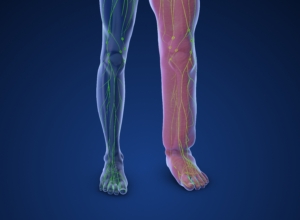
You may know that the immune system defends the body against disease. But did you know that it has a special circulatory structure called the lymphatic system that helps it do its job? When that special system gets impaired, a condition called lymphedema can occur, causing uncomfortable swelling in the arm or leg, which needs to be treated by a health care provider before an infection occurs.

Huntington Health Lymphedema Therapist, Lyle Hanf, PT, DPT, recently presented at Senior Care Network’s Noon Hour about some of the causes of lymphedema, symptoms, management and what you can do to reduce your risk.

What does the lymphatic system do?

The lymphatic system defends against disease, maintains blood pressure and transports hormones, nutrients and waste products. To perform these functions, it involves tonsils, spleen, thymus, lymph nodes, lymph vessels and white blood cells. When the lymphatic system is working properly, its system of lymph vessels circulates lymph (i.e., a fluid containing protein, water, cells, waste products and fat) through blood and tissues, while absorbing protein, fat and vitamins, and recognizing/removing waste products (e.g., germs, foreign substances and cancer cells). Hanf said the lymphatic system is a lot like a sewage treatment plant.

What causes lymphedema?

Lymphedema develops when the lymphatic system becomes damaged from chronic infections, scar tissue or cancer/cancer therapy, and causes an abnormal accumulation of protein-rich lymph in the tissues just beneath the skin that results in swelling. Hanf likens it to a bucket with a clogged spigot that cannot release the water it’s collecting. Although this accumulation typically occurs in the arm or leg, it can also occur in the breast, chest, head, neck, abdomen and genitals.

Signs of lymphedema

Along with swelling in their arm or leg, patients with lymphedema often report feeling heaviness or tingling sensations in a limb. Other symptoms include tingling starting in the fingers and toes, decreased range of motion, limb tightness, reoccurring infections and limb hardening or “pitting,” where pressing the skin leaves an indentation. (Although swelling is a main feature of lymphedema, Hanf pointed out that many other conditions can cause swelling, such as water/salt retention, excessive heat, exercising and bacterial infections, and acute injury.)   

Lymphedema happens in four stages: Stage 0 is characterized by no visible swelling; Stage I features minimal swelling that’s reversable with elevation (but comes back); Stage II presents as hardened tissue with frequent infections, but it’s reversible with medical intervention; and Stage III is marked by extreme swelling with skin changes that need emergency medical attention. At Stage III, complications can occur, including life-threatening infection (the skin looks swollen and red and feels painful and warm), wounds, worsening of the condition and disability.         

Lymphedema treatment and management

If you’ve been diagnosed with lymphedema, you will be referred to a therapist who will alleviate and manage your symptoms using a treatment called Complete Decongestive Therapy (CDT). This therapy combines multiple techniques aimed at reducing swelling and improving lymph circulation: skin/wound care, manual lymph drainage (i.e., massaging the area), using compression bandages and garments, and exercising.

Reducing lymphedema risk

Hanf listed several ways to promote a healthy lymphatic system and keep lymphedema at bay: taking care of your skin (protecting the skin from burns, cuts, insect bites, sunburn and dryness); maintaining an active lifestyle (exercising); avoiding limb constriction (wearing properly fitting watches, jewelry, shoes and hosiery, and avoiding crossing legs); wearing compression garments if prescribed (especially during exercise unless told not to); and avoiding extreme temperatures.          

Hanf was adamant that early intervention is key to treating lymphedema, so if you are experiencing symptoms, contact your health care provider as soon as possible.

For more on this topic, watch the Noon Hour recording, using the following passcode: Jr1uJ&be

Huntington Health Hosts Free Health Counseling and Screenings in Community

Huntington Health Hosts Free Health Counseling and Screenings in Community

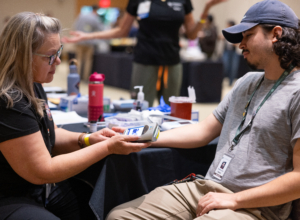
Community members are invited to take advantage of free health counseling and screenings provided by Huntington Health registered nurses throughout 2025. No appointment is necessary, and services are offered on a walk-in basis.

This initiative is part of an ongoing commitment to promote wellness and early detection of common health conditions. Services include:

  • Personal health guidance
  • Hypertension (high blood pressure) screening
  • Diabetes (high blood sugar) risk assessment and screening
  • Medical and social services referrals
  • Health promotion literature and resources

Participants seeking high blood sugar screening are advised to fast for a minimum of two hours prior to testing.

“We believe that access to preventive care should be simple and barrier-free,” said Ruth Pichaj, RN, manager community outreach and community benefits, Huntington Health. “These screenings empower individuals to take charge of their health and connect with resources that can make a real difference.”

Health counseling and screening are held at: Altadena Library, Altadena Senior Center at Loma Alta Park, Crowell Library, Friends InDeed, Hastings Branch Library, Jackie Robinson Center, La Pintoresca Branch Library, Lamanda Branch Library, Pasadena Senior Center, Santa Catalina Branch Library, Pasadena Senior Center, Victory Park Farmer’s Market and Villa Parke Farmers Market.

For a listing of dates, times, and locations, click here.

Huntington Hospital is nationally recognized for its commitment to providing high-quality stroke care

Huntington Hospital is nationally recognized for its commitment to providing high-quality stroke care

Huntington Health, an affiliate of Cedars-Sinai, has recently received the Get With The Guidelines®-Stroke Gold Plus with Target: Stroke Honor Roll Elite for its commitment to ensuring stroke patients receive the most appropriate treatment according to nationally recognized, research-based guidelines. Adhering to these protocols leads to more lives saved and reduced disability.

“I’m incredibly proud of our stroke team for earning this well-deserved recognition,” said Arbi Ohanian, MD, medical director of Huntington Hospital’s Comprehensive Stroke Program. “Huntington is truly leading the way in stroke care. With advanced imaging technology and a team of stroke-trained neurologists and neuroradiologists—resources that are rare in most hospitals—we’re equipped to make the best clinical decisions and manage even the most complex stroke cases with confidence and expertise.”

Stroke is the No. 5 cause of death and a leading cause of disability in the U.S. Early stroke detection and treatment are key to improving survival, minimizing disability and accelerating recovery times.

Each year, program participants qualify for the award by demonstrating their commitment to providing quality care for stroke patients. Along with following treatment guidelines, Get With The Guidelines participants also educate patients on how to manage their health and recovery at home.

Huntington also received the Association’s Target: Stroke Honor Roll Elite award. To qualify for this recognition, the team must meet specific criteria that reduce the time between an eligible patient’s arrival at the hospital and treatment with thrombolytic therapy.

Additionally, Huntington received the Association’s Target: Type 2 Diabetes Honor Roll award, which recognizes the team for ensuring patients with Type 2 diabetes, who might be at higher risk for complications, receive the most up-to-date, evidence-based care when hospitalized due to stroke.

“We are incredibly pleased to recognize Huntingtin Hospital for its commitment to caring for patients with stroke,” said Steven Messe, MD, volunteer chair of the AHA Stroke System of Care Advisory Group. “Participation in Get With The Guidelines is associated with improved patient outcomes, fewer readmissions and lower mortality rates – a win for health care systems, families and communities.”

For more information about Get With The Guidelines, visit the American Heart Association’s webpage.