 English
 Espanol
 简体中文
简体中文 Tagalog
 հայերեն
 한국인
한국인 Tiếng Việt
 فارسی
فارسی русский
 日本
日本 عربي
عربي
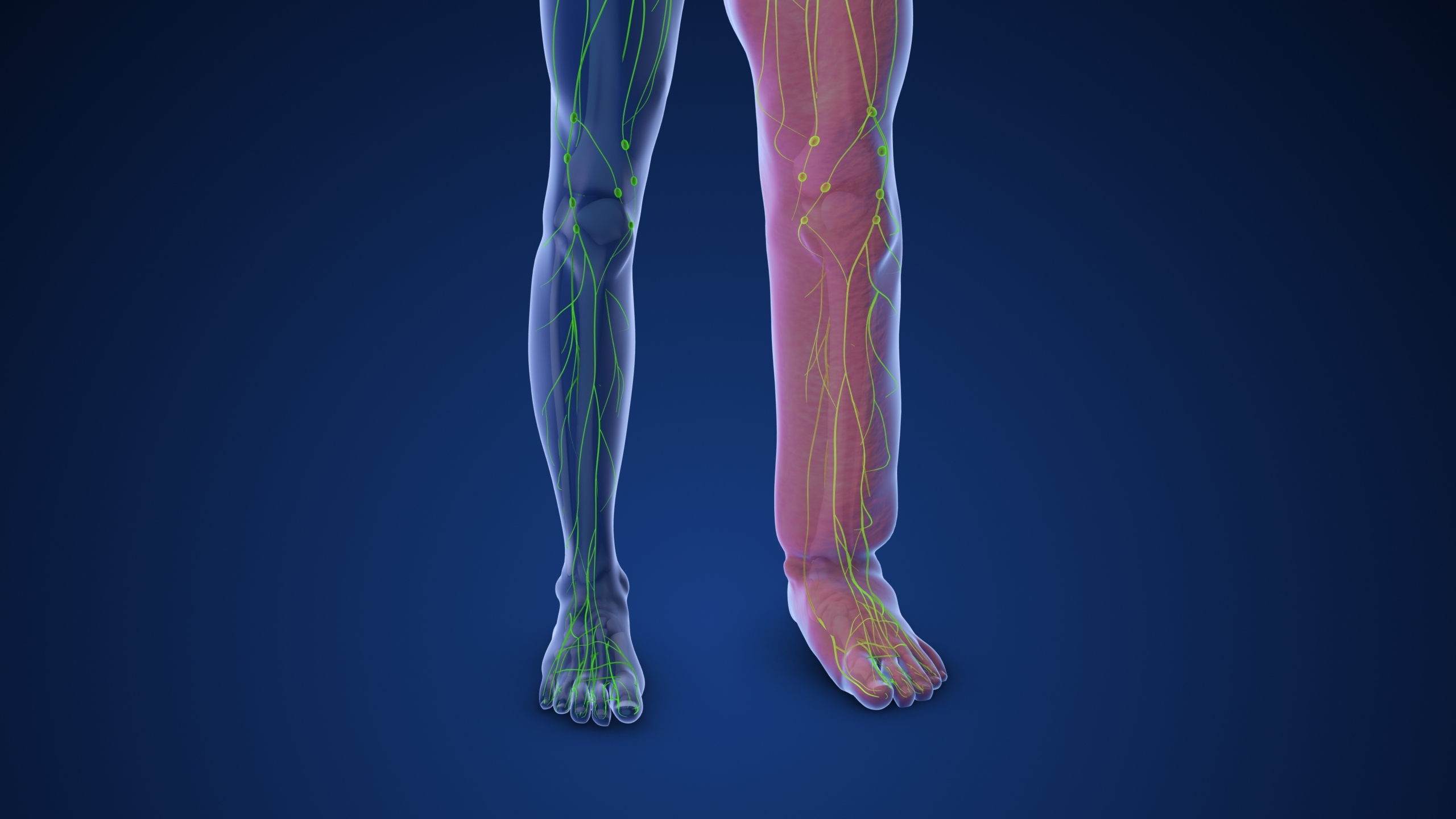
You may know that the immune system defends the body against disease. But did you know that it has a special circulatory structure called the lymphatic system that helps it do its job? When that special system gets impaired, a condition called lymphedema can occur, causing uncomfortable swelling in the arm or leg, which needs to be treated by a health care provider before an infection occurs.
Huntington Health Lymphedema Therapist, Lyle Hanf, PT, DPT, recently presented at Senior Care Network’s Noon Hour about some of the causes of lymphedema, symptoms, management and what you can do to reduce your risk.
What does the lymphatic system do?
The lymphatic system defends against disease, maintains blood pressure and transports hormones, nutrients and waste products. To perform these functions, it involves tonsils, spleen, thymus, lymph nodes, lymph vessels and white blood cells. When the lymphatic system is working properly, its system of lymph vessels circulates lymph (i.e., a fluid containing protein, water, cells, waste products and fat) through blood and tissues, while absorbing protein, fat and vitamins, and recognizing/removing waste products (e.g., germs, foreign substances and cancer cells). Hanf said the lymphatic system is a lot like a sewage treatment plant.
What causes lymphedema?
Lymphedema develops when the lymphatic system becomes damaged from chronic infections, scar tissue or cancer/cancer therapy, and causes an abnormal accumulation of protein-rich lymph in the tissues just beneath the skin that results in swelling. Hanf likens it to a bucket with a clogged spigot that cannot release the water it’s collecting. Although this accumulation typically occurs in the arm or leg, it can also occur in the breast, chest, head, neck, abdomen and genitals.
Signs of lymphedema
Along with swelling in their arm or leg, patients with lymphedema often report feeling heaviness or tingling sensations in a limb. Other symptoms include tingling starting in the fingers and toes, decreased range of motion, limb tightness, reoccurring infections and limb hardening or “pitting,” where pressing the skin leaves an indentation. (Although swelling is a main feature of lymphedema, Hanf pointed out that many other conditions can cause swelling, such as water/salt retention, excessive heat, exercising and bacterial infections, and acute injury.)
Lymphedema happens in four stages: Stage 0 is characterized by no visible swelling; Stage I features minimal swelling that’s reversable with elevation (but comes back); Stage II presents as hardened tissue with frequent infections, but it’s reversible with medical intervention; and Stage III is marked by extreme swelling with skin changes that need emergency medical attention. At Stage III, complications can occur, including life-threatening infection (the skin looks swollen and red and feels painful and warm), wounds, worsening of the condition and disability.
Lymphedema treatment and management
If you’ve been diagnosed with lymphedema, you will be referred to a therapist who will alleviate and manage your symptoms using a treatment called Complete Decongestive Therapy (CDT). This therapy combines multiple techniques aimed at reducing swelling and improving lymph circulation: skin/wound care, manual lymph drainage (i.e., massaging the area), using compression bandages and garments, and exercising.
Reducing lymphedema risk
Hanf listed several ways to promote a healthy lymphatic system and keep lymphedema at bay: taking care of your skin (protecting the skin from burns, cuts, insect bites, sunburn and dryness); maintaining an active lifestyle (exercising); avoiding limb constriction (wearing properly fitting watches, jewelry, shoes and hosiery, and avoiding crossing legs); wearing compression garments if prescribed (especially during exercise unless told not to); and avoiding extreme temperatures.
Hanf was adamant that early intervention is key to treating lymphedema, so if you are experiencing symptoms, contact your health care provider as soon as possible.
For more on this topic, watch the Noon Hour recording, using the following passcode: Jr1uJ&be