 English
 Espanol
 简体中文
简体中文 Tagalog
 հայերեն
 한국인
한국인 Tiếng Việt
 فارسی
فارسی русский
 日本
日本 عربي
عربي
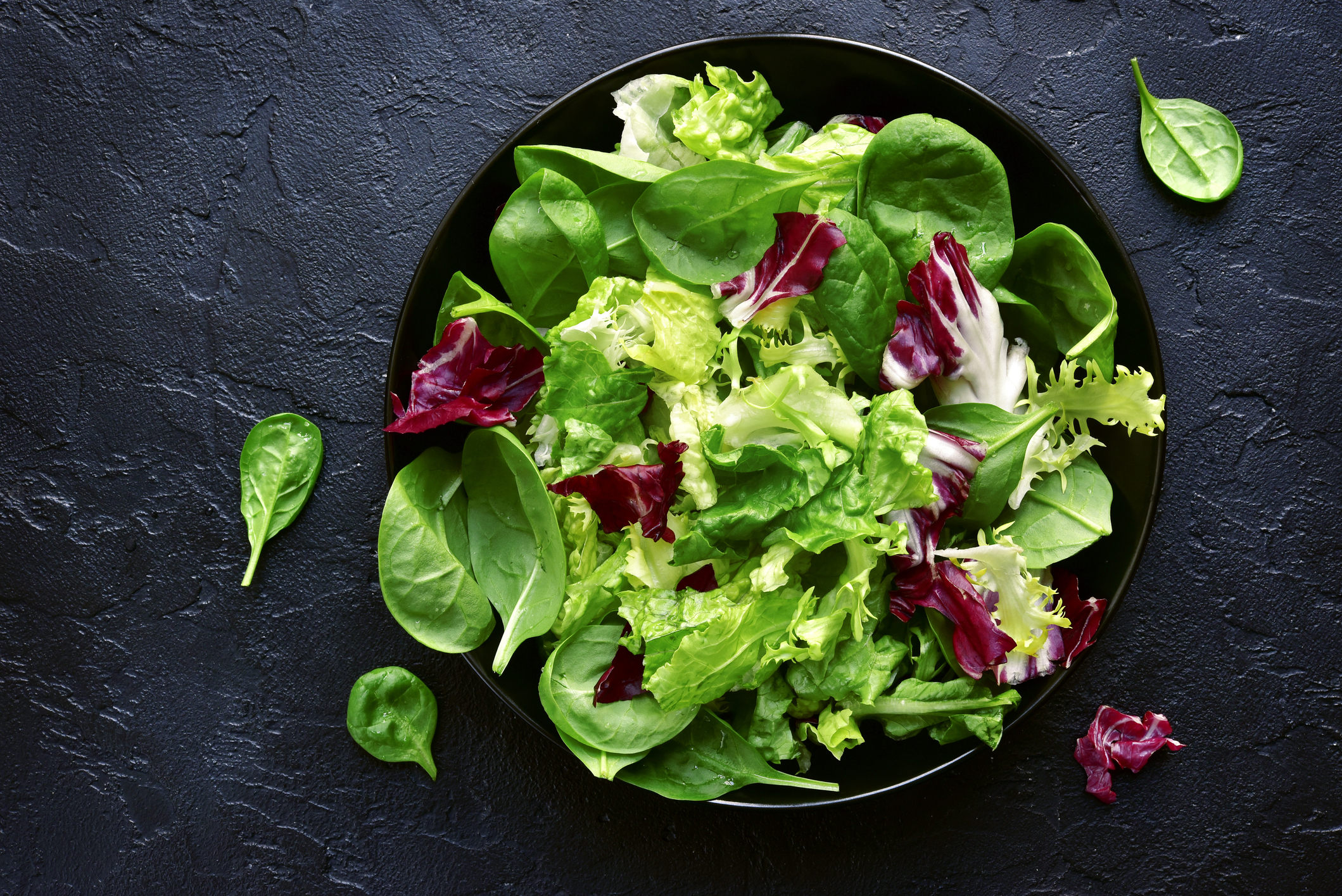
An outbreak of the foodborne illness cyclospora continues to affect Americans across the country. Federal health officials have traced the outbreak to contaminated lettuce produced by Taylor Farms de Mexico, and is still investigating. Although 41 states have reported cases, most have been found in Michigan (over 7,000). In a recent segment on LAist’s AirTalk, Kimberly Shriner, MD, FACP, medical director of infection prevention and control at Huntington Health, answered questions about the cyclospora outbreak.
Dr. Shriner explained that cyclospora is a protozoan parasite that infects only humans. “It is a very unpleasant infection, and it can last a long time, partly because it affects the small intestine, so it produces very liquidy diarrhea,” she said.
Other unpleasant symptoms have been reported, such as stomach cramps, bloating and fatigue. But Dr. Shriner was quick to add, “It isn’t usually a cause of death; dehydration is the more serious consequence of cyclosporiasis.” She stressed that other foodborne illnesses like E. coli and salmonella are far more dangerous in terms of morbidity and mortality.
When asked about the source of the contamination, she shared that the organism is spread through the “fecal-oral route” (i.e., pathogens in stool are inadvertently eaten). Dr. Shriner gave details: “Often it comes from contaminated sewage or water contaminated with cyclospora that was used to irrigate crops or from other kinds of equipment that spreads liquid fertilizer.”
Another concern was raised about the safety of all produce – not just lettuce – during this outbreak. Dr. Shriner put that fear to rest, explaining that when cyclospora contamination occurs, it is almost always found on leafy greens (including herbs). She also noted peelable fruit is a safe choice because it’s typically not a source of foodborne illnesses. She did however state that berries – particularly raspberries – can become contaminated. “They have little crevices and hairs on them that can retain the protozoa.”
To lower your risk of ingesting cyclospora, Dr. Shriner recommended washing your greens, herbs and berries thoroughly and “aggressively” – even if the packaging is labeled as pre- washed. She said that salad spinners are effective produce washers but didn’t recommend using produce sprays, since they don’t mitigate parasites. She also pointed out that additives in warm water don’t kill parasites. “You just have to try to wash it off – literally,” she stressed.
Dr. Shriner said that the likelihood of being infected in a state that is not on the recall list, like California, is fairly small. But she still advises the public to thoroughly wash produce prone to this particular pathogen.
To hear the story, listen to AirTalk’s July 21 broadcast.